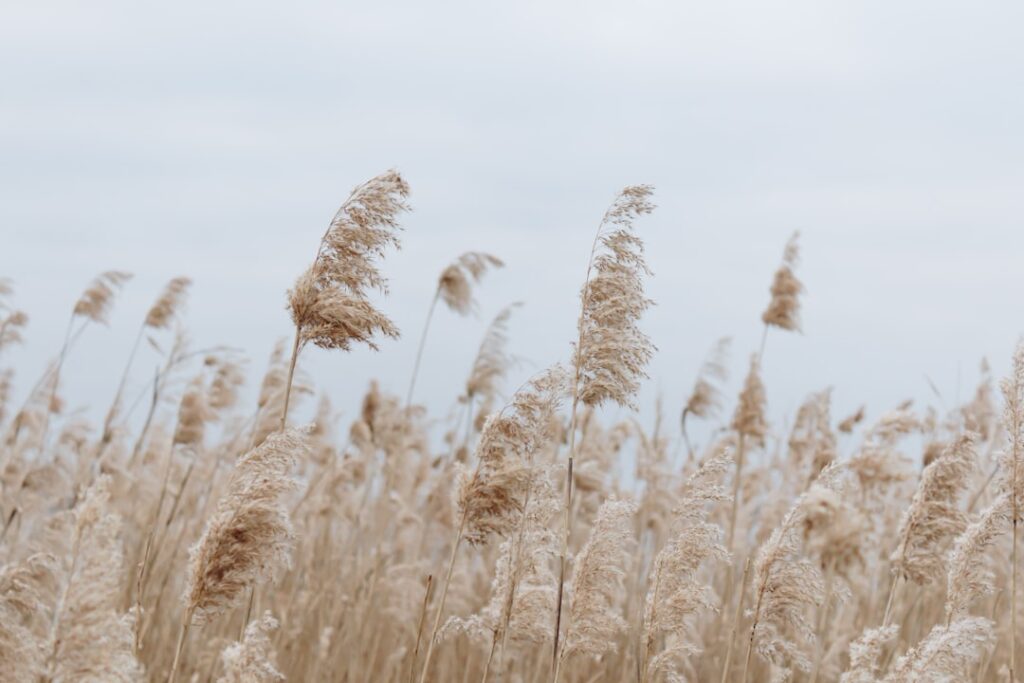
Nothing makes a bolder statement in the landscape than white pampas grass, with its towering fountain of arching foliage crowned by silky, creamy-white plumes that catch the light and sway in every breeze. Botanically it is Cortaderia selloana, a massive ornamental grass native to South America that has become a landscaping icon for privacy screening, dramatic focal points, and those coveted dried plumes used in floral arrangements. It is stunning and nearly indestructible, but it comes with two big responsibilities: it grows enormous, and in mild climates it can spread invasively. Plant it with your eyes open and it rewards you handsomely.
Hardiness and Climate
White pampas grass is hardy in USDA zones 7 through 10, tolerating winter lows down to around 5 to 10 degrees Fahrenheit once established. In the warmest zones it is fully evergreen and can flower prolifically; in zone 7 the top growth dies back in winter and returns from the crown in spring. It thrives in warm climates with full sun and is exceptionally heat and drought tolerant once its deep roots take hold. In colder regions than zone 7 it will not survive the winter reliably.
Mature Size: Plan for Big
Do not underestimate how large this grass gets. A mature clump reaches 6 to 10 feet tall in foliage, with the flower plumes pushing the total height to 8 to 12 feet, and it spreads 4 to 6 feet wide or more. It grows fast, often reaching full size within two to three seasons. This is not a plant for a small bed near the front door; give it serious room. Site it well away from walkways, since the leaf blades have fine serrated edges sharp enough to cut skin, which is why you should always wear long sleeves and gloves when working near it.
Spacing
Because each plant becomes so large, spacing is generous:
- As specimens: allow 6 feet or more around each plant so the fountain form shows
- As a screen or hedge: space plants 4 to 6 feet apart to grow into a solid wall
- Dwarf cultivars: compact types like ‘Pumila’ stay 4 to 6 feet tall and can be spaced 3 to 4 feet apart
Sun and Soil Requirements
Full sun is essential for the best growth and the heaviest plume production; give it at least six hours of direct light a day. In shade the plant grows weakly, flops, and produces few plumes. As for soil, white pampas grass is wonderfully adaptable. It grows in sandy, loamy, or clay soils across a wide pH range, and it tolerates poor, dry, and even salty coastal soils that defeat other plants. The one requirement is reasonable drainage; it does not want to sit in constantly waterlogged ground. This adaptability is exactly what makes it so tough and, in mild climates, so aggressive.
Planting Step by Step
Plant in spring after the danger of frost has passed, giving the grass a full season to establish before winter. Dig a hole as deep as the root ball and twice as wide, set the crown at grade, and backfill with native soil. Water thoroughly to settle the roots, then water regularly through the first growing season. Once established, it needs little supplemental water. Wear heavy gloves and long sleeves during planting and all future maintenance, because those leaf edges are genuinely sharp.
Watering and Feeding
During the first year, water deeply once a week in dry weather to build the deep root system that gives pampas grass its legendary drought tolerance. After establishment, it rarely needs watering except in the most extreme, prolonged drought. Feeding is minimal to none; this grass thrives in poor soil, and heavy fertilizer only pushes floppy growth and can encourage even more aggressive spreading. If you feed at all, a single light application of a balanced fertilizer in early spring is plenty.
Cutting Back Each Year
Annual cutting back is the main maintenance task and it keeps the plant looking fresh. In late winter or very early spring, before new growth begins, cut the entire clump down to about 12 to 18 inches from the ground. This removes the old, tattered foliage and spent plumes and makes room for a flush of clean new growth. This is a serious job on a big clump. Wear thick leather gloves, long sleeves, eye protection, and use hedge shears, loppers, or a hedge trimmer; many people tie the clump into a bundle with rope first, then cut below the tie for easy cleanup. Do not skip this step, or the plant becomes an unsightly mound of dead thatch.
The Invasiveness Warning
This is the most important thing to understand before planting. In mild-winter regions, particularly California, the Pacific Coast, and parts of the Southwest and Gulf Coast, pampas grass is classified as invasive. A single female plant can produce hundreds of thousands of wind-borne seeds that colonize wild lands, roadsides, and coastal areas, crowding out native vegetation. Consider these points:
- Check local regulations: some areas restrict or ban its sale and planting
- Choose sterile or dwarf cultivars: selections like ‘Pumila’ set less viable seed
- Remove plumes before seed sets if you live where it spreads, to prevent self-seeding
- Consider native alternatives: in problem regions, native bunch grasses give a similar look without the ecological risk
In colder climates where winters kill the seedlings, pampas grass is far less of a spreading concern and can be enjoyed more freely.
Harvesting and Drying the Plumes
Those silky white plumes are a big part of the appeal, and they make superb long-lasting dried decorations. For the best results, cut the plumes in late summer or early fall just as they reach full size but before they become fully mature and start to shatter; a plume cut too late will shed its fluffy seeds all over your home. Cut long stems, strip away the sharp lower foliage, and hang the plumes upside down in a cool, dry, dark place for a week or two to dry and set. A light mist of unscented hairspray or floral fixative helps them hold together and reduces shedding.
Dried pampas plumes have become extremely popular in modern interior decor, filling tall vases and floral arrangements that last for months or even years. Harvesting the plumes also does double duty in mild climates by removing the seed heads before they can spread, a small step toward responsible cultivation of a plant that self-seeds so freely.
Female Versus Male Plants
A detail many gardeners overlook is that pampas grass plants are either male or female, and it affects both the display and the spread. Female plants produce the full, showy, silky plumes everyone wants, and because they set the wind-borne seed, they are also the ones responsible for the plant’s invasive spread. Male plants have narrower, less spectacular plumes and do not produce seed. Most named cultivars sold for their showy plumes are female. If you garden in a region where pampas grass naturalizes, this is one more reason to choose a sterile or dwarf selection and to remove plumes before they set seed.
Pests, Problems and Landscape Use
White pampas grass is remarkably pest and disease free; its toughness is one of its defining traits, and deer generally leave it alone. The main “problems” are cultural: floppy growth from too much shade or fertilizer, and its sheer size overwhelming a small space. Used well, it is a spectacular privacy screen, a dramatic backdrop for a border, an anchor in a large modern landscape, and a source of elegant dried plumes for indoor arrangements that last for months.
Grown responsibly, white pampas grass delivers unmatched drama for very little effort. Give it full sun and plenty of room, cut it back hard each late winter, and handle those sharp blades with respect. Just choose a sterile or dwarf variety and mind local invasive-species rules if you garden in a mild climate, and this bold ornamental grass will be one of the most striking features in your yard.