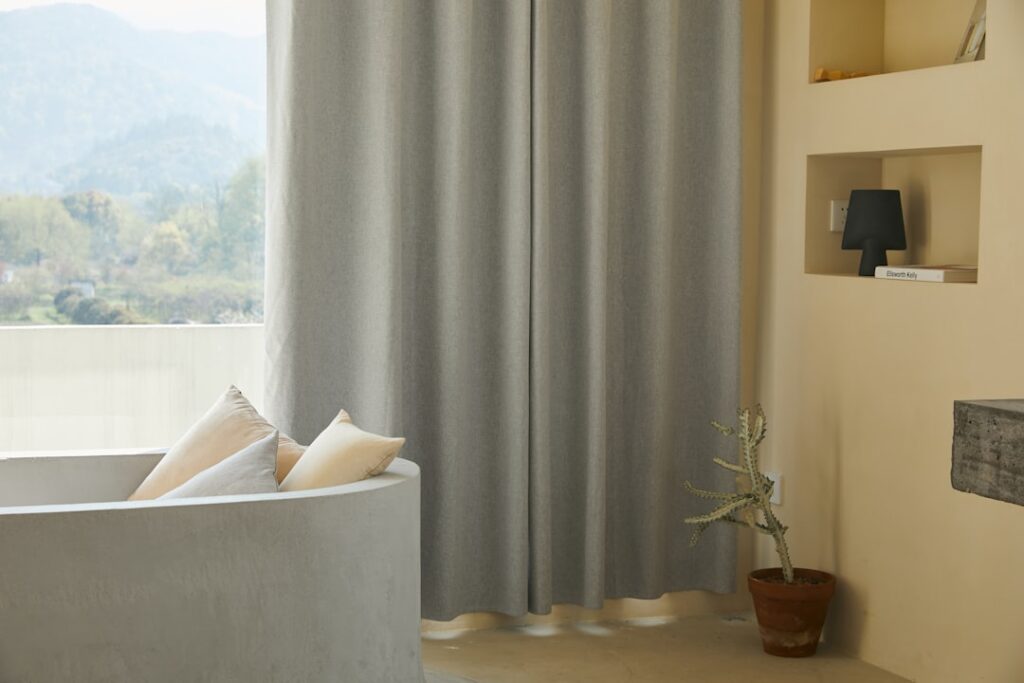
Plenty of curtains labeled “blackout” still let a frustrating amount of light leak around the edges, which is why so many shoppers go searching for trusted reviews. If you are researching wirecutter blackout curtains and similar expert roundups, the most useful thing you can learn is how to judge a blackout panel yourself. Knowing what actually blocks light lets you choose well from any source. This guide explains the features that matter so your bedroom or media room gets genuinely dark.
- What "Blackout" Really Means
- How Blackout Fabric Works
- Judging Quality Before You Buy
- Fit Matters as Much as Fabric
- Layering for the Darkest Room
- Thermal and Noise Benefits
- Common Mistakes to Avoid
- Best Rooms for Blackout Curtains
- Care and Longevity
- The Bottom Line
- Blackout Curtains vs Blackout Shades
What “Blackout” Really Means
The term blackout is not strictly regulated, so it is used loosely. True blackout fabric blocks essentially all light passing directly through the material, while room-darkening fabric blocks most but not all. Even the best blackout panel will leak some light around the edges of the window unless you address the gaps, which we cover below. Set realistic expectations: the fabric handles the light coming through it, but fit handles the rest.
How Blackout Fabric Works
Blackout curtains achieve their darkness in two main ways. Tightly woven, multi-layered fabric physically stops light, while some panels add a coated or foam-backed lining that blocks light through a barrier layer. Both approaches work, but they feel and perform differently:
- Tightly woven multilayer fabric: drapes naturally, feels like normal heavy fabric, often more breathable
- Coated or foam-backed lining: blocks the most light and adds insulation, but can feel stiffer and may show wear at folds over time
For a bedroom where you want both darkness and a soft look, a quality woven blackout panel often strikes the best balance.
Judging Quality Before You Buy
When comparing panels, look past the marketing and check these signals of a genuinely effective blackout curtain:
- Weight and density: heavier, denser fabric blocks more light
- Lining: a dedicated blackout lining beats thin single-layer “blackout” claims
- Construction: sturdy headers and hems hold up to daily opening and closing
- Coverage: generous width and length to overlap the window opening
- Care: machine-washable fabrics are far easier to live with than dry-clean-only options
A simple in-store test is to hold the fabric up to a light. If you see the bulb glowing through, it is room-darkening at best.
Fit Matters as Much as Fabric
The biggest reason “blackout” curtains disappoint is poor fit, not poor fabric. Light sneaks in around the edges, top, and bottom. To seal out the glow:
- Hang the rod high above the window and extend it well beyond the frame on both sides
- Choose panels wide enough to overlap in the center and wrap toward the wall
- Use a wraparound or return rod that curves back to the wall to close side gaps
- Make panels long enough to reach or rest on the floor, eliminating the bottom leak
For maximum darkness, some homeowners add a blackout liner mounted close to the glass behind decorative drapes.
Layering for the Darkest Room
The most effective approach combines a blackout panel with a side-channel shade or a second liner. Layering covers the gaps a single curtain cannot. In a nursery or for a shift worker who sleeps during the day, this combination makes the difference between dim and truly dark. The decorative blackout drape handles the look while the inner layer seals the edges.
Thermal and Noise Benefits
Beyond darkness, blackout curtains earn their keep in two other ways. The same dense, multilayer construction that blocks light also slows heat transfer, keeping rooms cooler in summer and warmer in winter, which can trim energy costs. The added mass also dampens outside noise, a welcome bonus near busy streets. These benefits apply whether or not you ever consult a review site for specific picks.
Common Mistakes to Avoid
A few errors undercut even good curtains:
- Buying panels too narrow, which leaves the fabric flat and the edges exposed
- Hanging the rod right at the window frame, which invites a band of light up top
- Choosing short panels that stop above the floor and leak light at the bottom
- Relying on a thin “blackout” panel with no real lining
Best Rooms for Blackout Curtains
Blackout panels earn their keep most in specific spaces. Bedrooms top the list, especially for light sleepers, shift workers, and anyone who wants to sleep past sunrise in summer. Nurseries benefit enormously, since babies and toddlers often nap during daylight hours and sleep better in a dark room. Media rooms and home theaters need darkness to cut glare on the screen. Even a home office with a glaring east or west window can benefit from blackout panels you draw during the brightest hours. Match the level of darkness to the room’s purpose rather than buying the heaviest fabric for every window.
Care and Longevity
Blackout curtains last longer with proper care. Check the label first, because coated and foam-backed panels are often spot-clean or dry-clean only, while many woven blackout fabrics can be machine washed gently and hung to dry. Avoid high heat in the dryer, which can crack a coated backing over time. Vacuum panels periodically with an upholstery attachment to keep dust from settling into the dense fabric. Open and close them gently rather than yanking, and use a rod and rings that glide smoothly to reduce stress on the headers. Treated well, a quality blackout panel holds its light-blocking performance for many years.
The Bottom Line
Whether you start your search with wirecutter blackout curtains or browse a local store, the principles are the same. Look for heavy, densely woven or properly lined fabric, then pay just as much attention to fit by mounting the rod high and wide and choosing generous panels. Add an inner liner or layered shade when you need total darkness. Judge curtains by these features rather than the label, and your room will stay as dark as you need it to be.
Blackout Curtains vs Blackout Shades
Curtains are not the only way to darken a room, and it helps to know the alternatives. Blackout roller shades and cellular shades mount close to the glass and can block light effectively, especially with side channels that seal the edges. Shades take up less space and give a cleaner, more minimal look, but they lack the softness and insulating mass of fabric drapes. The most thorough darkness often comes from combining the two: a blackout shade against the window to seal the opening, with decorative blackout curtains layered over it for style, warmth, and that final edge of light control. Choose based on your priorities, whether that is maximum darkness, a particular aesthetic, or a balance of both.