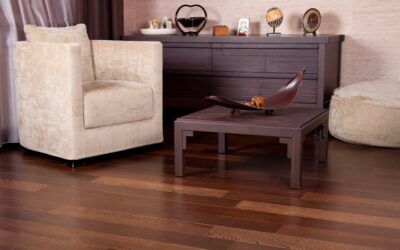
Picking wood flooring colors is one of the most consequential design decisions you will make for your home. The shade you choose affects how large rooms feel, how much dirt and dust you notice between cleanings, and how easily the space adapts to future furniture and decor changes. A floor is a 15-25 year commitment, so getting the color right on day one saves thousands in premature refinishing or replacement.
Light Wood Tones: Airy and Forgiving
Light wood flooring in natural, blonde, or whitewashed finishes has surged in popularity since 2020, driven by Scandinavian and coastal design trends. Species like white oak, maple, and ash naturally produce pale tones that open up small rooms and pair well with both warm and cool color palettes.
From a practical standpoint, light floors are the most forgiving when it comes to showing dust, pet hair, and minor scratches. A light oak floor can go 5-7 days between vacuuming before the dust becomes visible, while the same dust shows up on a dark espresso floor within 24 hours. For families with pets, children, or hectic schedules, this maintenance advantage is significant.
- Best light species: White oak (natural finish), hard maple, European white ash
- Popular stain options: Natural (clear coat only), Nordic White, Pale Smoke
- Works best in: Small rooms, north-facing rooms with limited natural light, open-concept layouts, coastal and modern farmhouse styles
Medium Wood Tones: The Safe Middle Ground
Medium-toned floors in honey, golden oak, and warm walnut shades remain the most popular choice across the United States. These tones feel universally familiar, match nearly any design style, and strike a balance between hiding dirt and showing warmth.
If you are renovating with resale value in mind, medium tones are the safest bet. Real estate agents consistently report that homes with medium-toned hardwood floors sell faster than those with very light or very dark floors, because the middle range appeals to the broadest group of buyers. A honey-toned white oak or a medium brown hickory floor will not deter any buyer the way a polarizing dark ebony or ultra-bleached white floor might.
Medium tones also age gracefully. Natural wood darkens slightly with UV exposure over the years, and a medium-toned floor that shifts a shade darker still looks intentional. A very light floor that yellows or a dark floor that fades to gray looks more noticeably dated.
Dark Wood Tones: Dramatic but Demanding
Dark-stained floors in espresso, ebony, and Jacobean finishes create undeniable visual impact. They ground a room, contrast beautifully against white walls and light furniture, and evoke a sense of formality and luxury that lighter tones cannot match.
However, dark floors are high-maintenance in the truest sense. Every speck of dust, every pet hair, every micro-scratch shows up starkly against the dark background. Families with dogs report spending twice as much time cleaning dark floors compared to medium or light tones. The scratch visibility issue is especially acute because stain sits in the wood grain, and when the surface is scratched, the lighter raw wood underneath contrasts sharply against the dark finish.
If you love the dark look, consider these strategies to minimize frustration: choose a matte or satin finish instead of high-gloss (matte hides scratches 3-4 times better), select a hard species like hickory (Janka 1,820) instead of soft pine (Janka 690), and commit to sweeping or robot-vacuuming daily.
Gray and Greige Tones: The Modern Neutral
Gray-toned floors, including the popular “greige” (gray-beige) range, dominated new construction and renovations from 2018 to 2024. While their popularity has plateaued, they remain a strong choice for contemporary, transitional, and industrial-style interiors.
Achieving a gray tone on natural wood requires either a reactive stain (like Rubio Monocoat Fumed) that chemically alters the wood’s color, or a combination of gray stain followed by a water-based polyurethane topcoat. Oil-based polyurethane adds amber warmth that fights the gray tone, so water-based finishes are essential for maintaining a true gray or greige appearance.
Gray floors pair naturally with white, black, navy, and green accents. They can feel cold in rooms without warm textiles to balance them. If you are committing to gray, layer in warm-toned rugs, upholstery, and wood furniture to keep the space from feeling sterile.
How Finish Sheen Affects Color Perception
The same wood stain looks noticeably different depending on the sheen level of the topcoat. Understanding this relationship prevents one of the most common disappointments in flooring projects.
- Matte (15-25% sheen): Mutes the color slightly, softens grain contrast, and hides surface imperfections. The most forgiving option for families. Increasingly the most popular choice in 2026.
- Satin (30-40% sheen): The traditional middle ground. Shows more color depth than matte while still concealing minor scratches. Works in every room and design style.
- Semi-gloss (50-70% sheen): Intensifies color and highlights the grain pattern. Shows scratches, dust, and footprints more readily. Best reserved for formal dining rooms or low-traffic spaces.
- High-gloss (80%+ sheen): Maximum color depth and reflection. Extremely high maintenance and scratches become visible almost immediately. Rarely recommended for residential use outside of accent areas.
Testing Colors Before You Commit
Never choose a wood floor color from a small sample chip alone. Colors shift dramatically based on room lighting, surrounding wall colors, and the scale of the installation. Order three to five large sample boards (at least 12 inches long) in your shortlisted colors and live with them in the actual room for a week.
Place the samples near windows where natural light hits during different times of day. Check them under your room’s artificial lighting at night. Set them against your existing furniture, cabinets, and wall colors. A color that looks perfect in showroom fluorescent lighting can shift warm or cool under your home’s LED fixtures.
If you are refinishing existing hardwood, ask your contractor to test stain colors on a hidden section of the floor, like inside a closet. Different wood species absorb stain differently. The same stain that produces a rich medium brown on white oak might look muddy or blotchy on maple or pine.
Matching Floor Color to Your Home’s Style
Certain color families align naturally with specific design aesthetics, though rules are made to be broken.
- Modern farmhouse: Light to medium white oak with a matte finish, natural or light gray stain
- Traditional: Medium-toned red oak or walnut with a satin finish, golden or warm brown stain
- Contemporary/minimalist: Light ash or maple with a matte finish, or bold dark walnut as a statement
- Craftsman: Medium to dark quarter-sawn white oak with a satin finish
- Industrial: Gray or dark-stained reclaimed wood, wide planks with visible character marks
The most versatile approach is to choose a neutral, mid-toned floor and let removable elements like paint, rugs, and furniture carry the style-specific details. Trends in wall colors and furniture change every 5-10 years, but your floor color stays put for two decades or more. Wood flooring colors in the medium-neutral range give you the most flexibility to evolve your home’s style without the floor looking out of place.
Prefer to explore on your own?
See how new flooring looks in your actual room in seconds — free, no signup.
Try the free Floor Studio →