
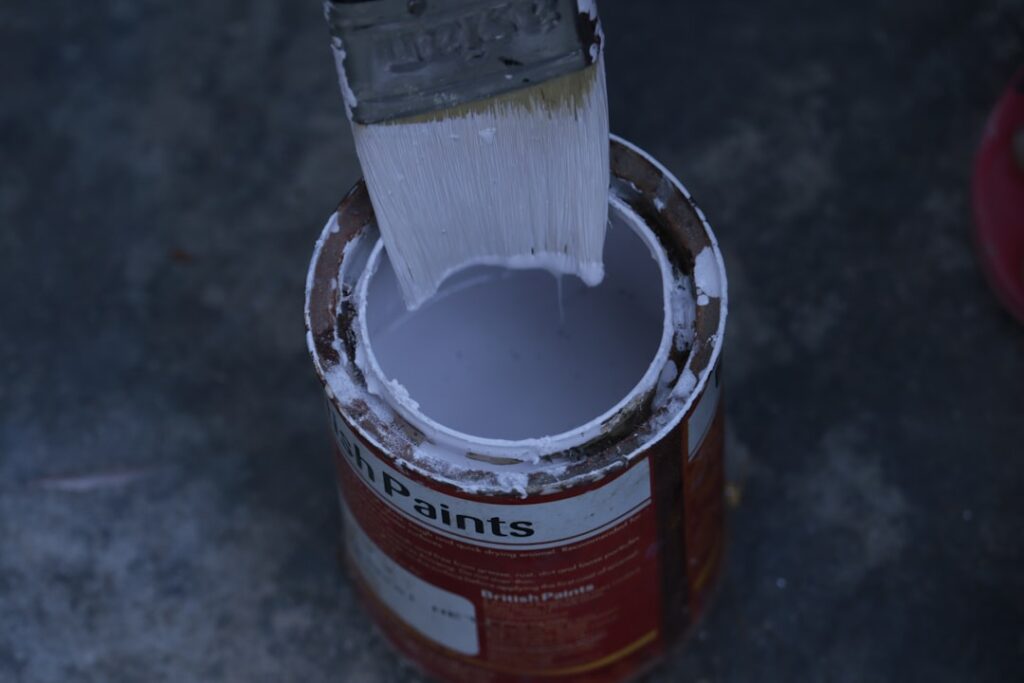
Bare concrete does not have to stay a dull, dusty gray. The right cement paint colors can transform a drab garage floor, a plain patio, or a stark basement wall into a finished, intentional surface that resists stains and brightens the whole space. But painting cement is different from painting drywall; the color you pick has to work with concrete’s texture, its tendency to show wear, and the light it will live in. Whether you want a soft neutral that hides tire marks or a bold hue that makes a patio pop, understanding how color behaves on concrete leads to a result you will love for years.
Part of our Paint & Walls guide — explore the full guide →
This guide covers the most popular cement paint colors, how to choose the right one for your surface, and the basics of getting a lasting finish.
- Why Color Choice Matters More on Concrete
- Popular Gray and Neutral Cement Colors
- Earth Tones for Patios and Outdoor Concrete
- Bold and Accent Colors
- How to Choose the Right Color for Your Space
- Getting a Lasting Finish
- Color Ideas for Specific Concrete Surfaces
- Bringing It All Together
- Frequently Asked Questions
Why Color Choice Matters More on Concrete
Concrete is a demanding canvas. It is porous, often textured, and frequently walked on, driven over, or exposed to weather, so color has to earn its keep. A shade that looks perfect on a small chip can read very differently across a large slab under bright sun or dim garage lighting. Lighter colors brighten a space and make it feel larger, but they show dirt, oil, and tire marks readily. Darker colors hide grime and wear but can make a room feel smaller and absorb heat outdoors.
Texture also shifts how a color reads. On a rough broom-finished patio, paint pools in the low spots and lightens on the high points, giving the color natural variation. On smooth troweled concrete, the color reads flatter and more uniform. Keeping these realities in mind steers you toward a shade that will actually perform, not just one that looks nice on a swatch.
Popular Gray and Neutral Cement Colors
Gray remains the most popular cement paint color, and for good reason: it complements concrete’s natural tone, hides dirt, and suits nearly any setting. But gray is a family, not a single color. A cool, medium gray gives garages and modern patios a clean, industrial look, while a warm greige leans cozier and pairs well with wood and stone. Charcoal and slate grays deliver a dramatic, contemporary feel and do an excellent job hiding tire marks and oil stains, making them a favorite for garage floors.
Beyond gray, soft neutrals expand the palette without straying far from concrete’s comfort zone. Tan, sand, and beige tones warm up a patio and echo natural surroundings, while off-white and light dove gray brighten a dim basement dramatically. These neutrals are the safe, versatile default for most concrete projects, giving a finished look that will not clash with future furniture or landscaping choices.
Earth Tones for Patios and Outdoor Concrete
Outdoors, earth tones shine. Colors drawn from stone and soil, terracotta, clay red, warm brown, and muted ochre, help a concrete patio or walkway blend with the landscape and mimic the look of natural stone or brick at a fraction of the cost. A terracotta-toned patio evokes a Mediterranean courtyard, while a soft brown reads as understated and timeless.
These warmer colors also hide the dust, pollen, and organic debris that inevitably land on outdoor concrete, keeping the surface looking clean between washes. For pool decks and patios, lighter earth tones have the added benefit of staying cooler underfoot than dark colors, which absorb sunlight and can get uncomfortably hot. If your goal is a natural, grounded outdoor space, earth-tone cement colors are the reliable choice.
Bold and Accent Colors
Concrete does not have to be neutral. For homeowners who want personality, bold cement paint colors can turn a floor or wall into a design feature. Deep blues and greens bring a rich, saturated look to a covered porch or a basement bar area. A brick-red or barn-red floor adds warmth and works beautifully in a workshop or a rustic entry. Even black concrete floors have become popular in modern interiors for their sleek, dramatic effect.
The key with bold colors is commitment and context. Saturated hues show scuffs and fading more readily than neutrals, so reserve them for lower-traffic or covered areas, or accept that they will need occasional touch-ups. Used thoughtfully, a bold accent color, on a single feature wall or a defined patio zone, creates a striking focal point that plain gray never could. Just balance it with the surrounding surfaces so the space feels designed rather than jarring.
How to Choose the Right Color for Your Space
Picking a color comes down to matching the shade to the surface’s job and setting. Consider these factors before you commit.
- Traffic and use: Garages and workshops benefit from mid-to-dark grays that hide oil and tire marks; low-traffic patios can carry lighter or bolder colors.
- Light levels: Dark basements come alive with light, reflective colors; bright, sunny patios can handle deeper tones without feeling gloomy.
- Heat exposure: Outdoor areas in full sun stay cooler with lighter colors, which matters for pool decks and barefoot spaces.
- Surrounding materials: Match or complement your home’s siding, landscaping, and adjacent flooring so the concrete feels integrated.
Always test your top choices on the actual surface. Paint a two-by-two-foot patch, let it fully cure, and view it in morning, midday, and evening light before painting the whole area. Concrete and lighting can shift a color surprisingly, and a small test saves you from repainting an entire slab.
Getting a Lasting Finish
Color only lasts if the paint bonds well, and that depends on prep and product. Use a paint formulated for concrete, typically an epoxy, acrylic latex, or masonry paint, rather than ordinary wall paint, which will peel. Epoxy coatings offer the toughest, most stain-resistant finish for garage floors, while acrylic masonry paints suit patios and walls.
Preparation is everything. Clean the concrete thoroughly, degrease any oil spots, and etch or lightly grind smooth slabs so the paint can grip. Repair cracks and let new concrete cure fully, usually at least 28 days, before painting. Apply a concrete primer, then two thin coats of your color, allowing proper dry time between them. Finish garage and high-traffic floors with a clear sealer to lock in the color and add durability. Done right, painted concrete holds its color for years and cleans up with a simple wash.
Color Ideas for Specific Concrete Surfaces
Different concrete surfaces have different demands, and matching your color choice to the specific job leads to a result that both looks right and performs. For a garage floor, the priority is hiding tire marks, oil drips, and general grime, which makes mid-to-dark grays and charcoal the runaway favorites, often applied as a tough epoxy with decorative color flakes broadcast into the surface for a speckled, wear-hiding finish. A solid slate or battleship gray reads clean and professional while forgiving the abuse a garage takes.
Basement floors benefit from lighter, brighter colors that push back against the naturally dim, enclosed feeling of below-grade rooms. A light gray, soft greige, or even a warm off-white makes a finished basement feel larger and more inviting, while a mid-tone works well if the space doubles as a workshop. For a basement family room, you might even layer a stained or stenciled pattern over a base color for a more decorative floor.
Outdoor patios and pool decks call for earth tones and lighter shades that stay cooler underfoot and blend with the landscape, with terracotta, sand, and warm gray leading the way. Front porches and walkways can take a slightly bolder or richer color since they set the tone for a home’s entrance; a warm gray with a subtle border, or a color that complements the front door, adds curb appeal. And for interior living spaces with polished or stained concrete floors, warm grays, soft browns, and even deep charcoals create a sleek, modern base that pairs with almost any decor. Matching the color to the surface’s role is the quiet key to a finish you will be happy with for years.
Bringing It All Together
The best cement paint colors balance looks with the practical demands of concrete. Grays and neutrals remain the versatile, dirt-hiding default; earth tones ground outdoor patios and mimic natural stone; and bold accents bring personality to covered or low-traffic areas. Match your color to the surface’s traffic, light, and setting, test it on the real slab before committing, and use a proper concrete coating with thorough prep. Choose wisely and apply carefully, and a coat of paint will turn plain gray concrete into a finished surface that looks deliberate and lasts for years.
Frequently Asked Questions
Can you paint concrete white?
Yes. White and off-white concrete paints brighten basement walls, porches, and dim floors, and they keep outdoor surfaces cooler. The trade-off is that white shows dirt, tire marks, and rust stains quickly, and a large white patio can be glaring in full sun. Use a soft off-white for floors, and finish with a clear sealer that makes cleaning easier.
What is the difference between concrete paint and concrete stain?
Concrete paint forms an opaque film on the surface, giving solid, even color but able to peel if prep is poor. Concrete stain soaks into the surface, so it rarely peels and lets the natural variation of the concrete show through. Semi-transparent stains give a mottled look, while solid stains look closer to paint. Stain needs bare, porous concrete to absorb properly.
What paint is best for concrete around a pool?
Use a coating made for pool decks, typically an acrylic deck coating, and add an anti-slip additive since the surface will be wet and barefoot. Choose a light earth tone or light gray, because dark colors get hot under bare feet. Clean and etch the concrete well, let it dry fully, and recoat as the color wears from sun and chlorinated water.
Can you add color to concrete instead of painting it?
Yes, for new concrete. Powdered or liquid pigments mixed into the concrete before pouring color it all the way through, so chips and wear do not reveal gray underneath. For existing slabs, the options are stains, tinted sealers, or paint. Integral color looks best when the mix, water, and finishing are kept consistent from batch to batch.


