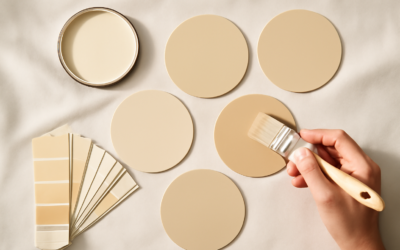
Warm beige paint colors have quietly replaced cool grays as the go-to neutral for homeowners who want a space that feels welcoming rather than sterile. Beige with warm undertones brings softness and comfort to a room while staying flexible enough to work with almost any furniture, flooring, or decor style.
Part of our Paint & Walls guide — explore the full guide →
The catch is that “beige” covers an enormous range, from creamy near-whites to rich greige and tan. Choosing well means understanding undertones, testing in your own light, and matching the shade to the mood you want. This guide walks through how to pick a warm beige that looks right in your home rather than just in the store.
- What Makes a Beige "Warm"
- Why Homeowners Are Choosing Warm Beige
- Popular Warm Beige Shades to Consider
- How Lighting Changes Everything
- Choosing the Right Finish
- Pairing Warm Beige With the Rest of the Room
- Common Mistakes to Avoid
- Layering Shades of Beige for Depth
- Best Rooms for Warm Beige
- Warm Beige vs. Cool Gray
- Testing Samples the Right Way
- Making the Final Choice
What Makes a Beige “Warm”
Every beige has an undertone hiding beneath the surface, and that undertone decides whether it reads warm or cool. Warm beiges lean toward yellow, gold, red, or soft brown. Cool beiges drift toward gray, green, or purple, which can make a room feel flat or chilly.
The best warm beige paint colors carry gentle yellow, tan, or pink-brown undertones that glow in natural light. To spot the undertone, hold a sample next to a pure white card. Against true white, the warmth becomes obvious. This one comparison prevents the classic mistake of buying a beige that turns dingy or greenish on the wall.
Why Homeowners Are Choosing Warm Beige
The shift back to beige isn’t just a trend cycle. Warm neutrals solve real problems:
- Cozy without being dark: They add warmth while keeping rooms light and open.
- Timeless: Beige has outlasted decades of trends and won’t feel dated in a few years.
- Flattering light: Warm walls make skin tones and lighting look inviting, especially in the evening.
- Flexible backdrop: They pair with wood tones, brass, black, greenery, and both traditional and modern furnishings.
- Hides wear: Mid-tone beiges disguise scuffs and fingerprints better than stark white.
Popular Warm Beige Shades to Consider
Rather than chase exact product names, think in terms of families of warm beige and where each fits:
- Creamy beige: A soft, warm off-white with a hint of yellow. Brightens small or north-facing rooms without feeling cold.
- Greige (gray-beige): A balanced blend that leans warm. The most versatile choice for open floor plans and whole-home palettes.
- Tan and sandy beige: Deeper and earthier, great for cozy bedrooms, studies, and accent walls.
- Mushroom and taupe: Beige with a soft brown-gray depth, sophisticated in living rooms and dining spaces.
- Warm almond: A gentle pink-beige that feels soft and enveloping in bedrooms and nurseries.
How Lighting Changes Everything
The same beige looks like three different colors in three different rooms, and light is the reason. Before committing, understand how your space affects it:
- North-facing rooms: Cool, indirect light can drain warmth. Choose a beige with stronger yellow or gold undertones to compensate.
- South-facing rooms: Bright, warm light intensifies beige. Even a mid-tone can read richer here, so a softer shade often looks best.
- East and west rooms: Light shifts dramatically through the day, warm in the morning or evening and cooler between. Test at multiple times.
- Artificial light: Warm-white bulbs boost the coziness of beige; cool LED bulbs can make it look washed out.
Always paint large sample patches, at least a couple of feet square, on more than one wall and live with them for a few days before deciding.
Choosing the Right Finish
Sheen affects both durability and how the color reads on the wall.
- Flat or matte: Hides imperfections and gives a soft, cozy look. Best for ceilings and low-traffic bedrooms.
- Eggshell: A slight glow with decent washability. The most popular choice for living rooms and hallways.
- Satin: More durable and wipeable, good for kitchens, bathrooms, and kids’ rooms.
- Semi-gloss: Reserved for trim, doors, and cabinets where you want contrast and easy cleaning.
Higher sheens reflect more light, which can shift how warm the beige appears, so factor finish into your sample testing.
Pairing Warm Beige With the Rest of the Room
Warm beige is a team player. To keep a room from looking bland, layer in contrast and texture:
- Trim: A crisp warm white keeps beige walls from looking muddy and adds definition.
- Wood tones: Medium and warm woods echo the undertones beautifully.
- Metals: Brass, gold, and bronze reinforce the warmth; matte black adds grounding contrast.
- Textiles: Layer creams, soft browns, terracotta, and muted greens for depth.
- Greenery: Plants pop against beige and keep the palette from feeling flat.
Common Mistakes to Avoid
A few missteps trip up even careful decorators when working with warm beige paint colors:
- Skipping samples: Choosing from a tiny chip almost always disappoints. Undertones only show at scale.
- Ignoring undertones: A beige with a hidden pink or green cast can clash with your flooring or furniture.
- Matching every surface: All-beige with no contrast reads flat. Add depth with trim, texture, and accent tones.
- Testing in one light only: A beige that looks perfect at noon can turn dull at night.
Layering Shades of Beige for Depth
A common worry with a neutral palette is that a room will look flat or boring. The fix is layering related warm tones rather than painting everything one shade. Use a lighter creamy beige on trim and ceilings, a mid-tone greige on the main walls, and a deeper tan or taupe on a single accent wall or built-in. Carry those same warm tones into textiles, rugs, and window treatments so the room reads as a considered, tonal whole. This tone-on-tone approach keeps the space calm and cohesive while adding the subtle contrast that stops beige from feeling monotonous. Texture does the same job: nubby throws, woven baskets, and natural wood all add interest without introducing competing colors.
Best Rooms for Warm Beige
Warm beige works almost anywhere, but it truly shines in certain spaces. Here’s where each depth of beige tends to perform best:
- Living rooms: A greige or mid-tone beige creates a cozy, inviting gathering space that flatters both daylight and lamplight.
- Bedrooms: Soft almond and creamy beiges promote a restful, calm atmosphere.
- Kitchens: Warm beige pairs beautifully with wood cabinetry and natural stone, and hides everyday scuffs.
- Hallways and entries: A light warm beige brightens transitional spaces that often lack windows.
- Open-plan homes: A single versatile greige flows seamlessly from room to room, tying the whole floor together.
Warm Beige vs. Cool Gray
The move toward warm beige paint colors is largely a reaction to the cool-gray trend that dominated for years. Understanding the difference helps you choose confidently:
- Warm beige: Adds coziness and warmth, flatters lighting and skin tones, and feels welcoming and timeless.
- Cool gray: Reads modern and crisp but can feel cold, flat, or even clinical, especially in low or north light.
- Greige: The best of both, offering gray’s sophistication with beige’s warmth, which is why it’s so popular.
If your home felt sterile or chilly with gray, shifting to a warm beige or greige is often the fix, keeping a neutral backdrop while restoring comfort to the space.
Testing Samples the Right Way
Because beige is so undertone-sensitive, proper sampling is non-negotiable. Do it well:
- Buy sample pots and paint large patches, at least two feet square
- Test on multiple walls, since light hits each differently
- View the samples in morning, afternoon, and evening light
- Check the color under your actual light bulbs at night
- Hold samples against your flooring, trim, and largest furniture
- Live with the patches for several days before deciding
Making the Final Choice
Start by deciding the mood you want, airy and soft or deep and cozy, then narrow to a shade family. Sample two or three warm beiges side by side, watch them through a full day, and pay attention to how they sit against your flooring and largest furniture. The winner is the one that still looks warm and inviting in your worst light, not just your best.
Done thoughtfully, warm beige paint colors give you a backdrop that feels calm, current, and comfortable for years. Unlike bolder choices you might tire of, a well-chosen warm beige quietly makes everything in the room look better, and that’s exactly what a great neutral should do.