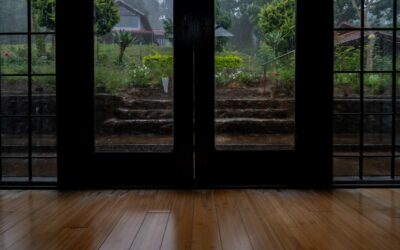
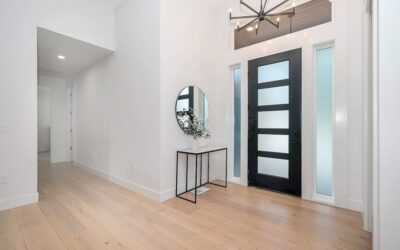
Nothing transforms the transition between two rooms quite like a pair of glass-paneled doors that swing open to connect spaces while still framing them beautifully. Wood french doors interior installations bring in natural light, add architectural character, and make a home feel larger and more open. Choosing the right wood french doors interior setup means weighing wood species, glass configuration, swing direction, and budget. This guide walks through every decision so your doors look and function exactly as you envision.
Part of our Windows & Doors guide — explore the full guide →
What Makes French Doors Different
French doors are defined by their glass panels, called lites, set within a wood frame or stile-and-rail structure. Traditionally they come as a matched pair that meet in the middle, though single French doors are common for narrower openings. Unlike a solid slab door, they let light pass between rooms, which is why they are so popular for home offices, dining rooms, dens, and closing off a living area without darkening it.
Interior French doors differ from exterior ones in that they do not need weatherstripping, thermal glass, or heavy-duty locks. This makes them lighter, more affordable, and available in a wider range of decorative styles.
Choosing a Wood Species
The wood you choose affects appearance, durability, and price. Common options include:
- Pine: Affordable and easy to paint, the go-to for budget builds and painted finishes. Softer, so it dents more easily.
- Oak: Strong with pronounced grain, ideal for a traditional stained look. A durable mid-range choice.
- Maple: Smooth, tight grain that takes paint and light stains beautifully, with excellent hardness.
- Mahogany: Rich, warm tone and outstanding stability, a premium option for high-end interiors.
- Cherry and walnut: Luxurious, deep-toned hardwoods for statement doors, at the top of the price range.
If you plan to paint the doors, a paint-grade species like pine or poplar keeps costs down. For a natural stained finish, choose a species whose grain you love, since it will be on full display.
Solid Wood Versus Engineered
Not all wood doors are solid through and through. You will encounter a few construction types. Solid wood doors are milled entirely from lumber, offering the best feel and the ability to be refinished repeatedly, but they can expand and contract with humidity. Engineered or solid-core doors use a stable wood-composite core with a real wood veneer, resisting warping better and often costing less. Understanding the construction helps you balance authenticity against stability and price.
Glass and Grille Options
The glass configuration defines the look of the doors as much as the wood. Consider:
- Number of lites: A single large pane (called one-lite) reads modern, while divided-lite patterns like ten-lite or fifteen-lite feel classic and traditional.
- Clear glass: Maximizes light and openness between rooms.
- Frosted or textured glass: Adds privacy for offices and bedrooms while still passing light.
- Grilles: True divided lites use individual panes separated by wood muntins, while simulated grilles apply the pattern over a single pane for easier cleaning.
For a home office where you want quiet and some privacy but still natural light, frosted or reeded glass strikes an excellent balance.
Sizing and Swing Direction
Interior French doors come in standard sizes, but the opening drives the choice. A single door commonly measures 30 to 36 inches wide, while a pair typically fills a 48- to 72-inch opening. Standard height is 80 inches, with taller 96-inch options for grand rooms.
Decide the swing direction carefully. Doors should swing into the room with more clearance and away from traffic paths, and a pair usually swings in the same room. If floor space is tight, consider pocket French doors that slide into the wall or bi-fold configurations, which eliminate the swing arc entirely.
Installation Overview
Installing prehung French doors, which come already mounted in a frame, is a manageable project for an experienced DIYer, though hanging a pair square is exacting work. The basic steps:
- Confirm the rough opening is the correct size, typically about 2 inches wider and taller than the door unit.
- Check that the floor is level; shim as needed so the doors hang plumb.
- Set the prehung unit into the opening and shim the hinge side plumb first.
- Secure the frame with screws through the shims into the studs.
- Adjust the reveal, the even gap around and between the doors, until it is consistent.
- Install the trim, hardware, and any latching mechanism.
The trickiest part with a pair is getting both doors to meet cleanly in the center with an even gap top to bottom. If the opening is out of square or you are uneasy, a finish carpenter can hang them perfectly in a few hours.
Cost of Wood French Doors Interior
Prices vary widely by species, glass, and construction:
- Paint-grade pine prehung pair: $300 to $700.
- Mid-range oak or maple pair: $700 to $1,500.
- Premium mahogany or walnut with divided lites: $1,500 to $4,000.
- Professional installation: $200 to $600 per unit.
Frosted or specialty glass, custom sizing, and true divided lites all push costs higher. For most homeowners, a mid-range hardwood pair with clear or frosted glass delivers an elegant result without a luxury price tag.
Finishing and Maintenance
Wood doors need a protective finish to look their best and resist wear. If painting, prime first and use a durable satin or semi-gloss finish that wipes clean. For stained doors, apply a quality stain followed by several coats of polyurethane. Once installed, dust the doors and clean the glass regularly, and touch up any nicks in the finish promptly. Solid wood doors may need occasional adjustment as humidity shifts, so keep the hinges snug and address any sticking before it worsens.
Best Rooms for Interior French Doors
French doors shine in specific spots throughout a home, and knowing where they add the most value helps justify the investment. A home office is perhaps the ideal application: frosted or clear glass lets natural light flow while the doors close off noise during calls and focused work. Buyers increasingly want a dedicated workspace, so this upgrade pays off at resale as well.
Dining rooms and formal living rooms benefit from the flexibility to open the space for entertaining and close it for a more intimate feel. French doors between a kitchen and a dining area, or leading to a den or library, create a sense of separation without sacrificing the open, airy feeling that modern homes prize. They also make small rooms feel larger by borrowing light from adjacent spaces.
Consider them for a master bedroom sitting area, a sunroom, or a playroom where you want to keep an eye on children while containing the mess and noise. In each case, the doors solve the same problem: dividing space visually and acoustically while keeping light moving through the home. Just be sure to account for the swing clearance or choose a pocket or bi-fold style where floor space is tight.
Frequently Asked Questions
Are interior French doors worth it?
They add natural light, architectural character, and the flexibility to open or close off a space without darkening it. For offices, dining rooms, and dens, they are a popular upgrade that also appeals to buyers.
What wood is best for interior French doors?
Pine and poplar are ideal for painted doors on a budget, while oak, maple, and mahogany suit stained finishes and offer greater durability. Choose based on your finish and how much wear the doors will see.
How much space do French doors need to swing?
A pair needs clearance equal to the door width on the swing side. If floor space is limited, consider pocket French doors that slide into the wall or bi-fold styles that fold flat against the opening.
Can I install French doors myself?
Prehung units are DIY-friendly for experienced homeowners, though hanging a pair square in the center is exacting. If the opening is out of level, a finish carpenter ensures an even reveal and smooth operation.
What glass gives privacy in French doors?
Frosted, reeded, or textured glass provides privacy while still letting light through, making it ideal for home offices and bedrooms. Clear glass maximizes openness where privacy is not a concern.