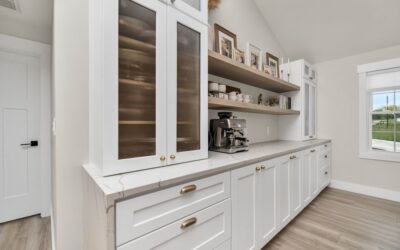
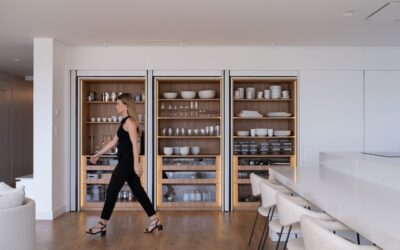
A pantry made of real wood is one of the few kitchen upgrades that gets better with age instead of worse. A wood kitchen pantry cabinet brings warmth, genuine durability, and the ability to refinish or repaint down the road, which no laminate or particleboard unit can match. Whether you want a freestanding hutch you can take with you or a built-in floor-to-ceiling tower, solid and engineered wood remain the gold standard for pantry storage that lasts.
Part of our Kitchen Remodeling guide — explore the full guide →
This guide breaks down the wood types, sizing, freestanding versus built-in choices, real costs, and how to organize the interior so nothing gets lost.
Why Choose Wood for a Pantry
Pantries take abuse. They hold heavy canned goods, get opened dozens of times a day, and often live near the moisture and temperature swings of a cooking kitchen. Solid wood and quality plywood handle that load without sagging shelves, and unlike thermofoil or melamine, a wood cabinet can be sanded and refinished when it wears or when your style changes.
Wood also holds fasteners and hardware securely, so hinges, drawer slides, and adjustable shelf pins stay tight for decades. That structural reliability is why custom and heirloom-quality cabinetry is almost always built from wood or wood-based panels rather than plastic composites.
Wood Types and What They Offer
Not all “wood” cabinets are the same, and the material drives both price and performance.
- Solid hardwoods (oak, maple, cherry, hickory) — The most durable and refinishable. Oak brings prominent grain, maple a smooth even surface ideal for paint, cherry a rich reddening tone that deepens over years.
- Birch and pine — More affordable solid options. Pine is soft and dents easily but has rustic charm; birch is harder and takes stain well.
- Plywood (multi-ply) — Engineered from thin wood veneers glued in cross-grain layers. Extremely strong, resists warping better than solid wood in humid kitchens, and is the pro choice for cabinet boxes.
- MDF — Dense engineered wood, excellent for smooth painted doors but heavier and less moisture-tolerant than plywood. Best for door panels rather than structural boxes.
A common high-value combination is a plywood box with solid-wood face frames and doors, giving you strength where it counts and a real-wood look where you see it.
Standard Sizes and Configurations
Pantry cabinets follow predictable dimensions that help you plan a fit.
- Height: Tall pantries run 84, 90, or 96 inches to reach standard and 9-foot ceilings.
- Width: Single-door units are typically 18 or 24 inches; double-door pantries span 30 to 36 inches.
- Depth: Full-depth pantries match tall cabinets at 24 inches; shallow pantries at 12 to 15 inches keep everything visible in tight kitchens.
Interior configurations range from simple adjustable shelves to pull-out drawers, door-mounted racks, and full rollout systems. Deeper pantries benefit most from pull-outs so items in the back never disappear.
Freestanding vs. Built-In
Your situation dictates which makes sense.
Freestanding Pantry Cabinets
A standalone unit, like a hutch or a tall storage cabinet, that simply stands against a wall. It’s movable, requires no installation beyond an anti-tip wall anchor, and you can take it when you move. Great for renters and kitchens with an empty wall. Prices run $200 to $900 for stock wood units.
Built-In Pantry Cabinets
Integrated with your cabinetry, floor-to-ceiling, matching the rest of the kitchen for a seamless custom look. More expensive and permanent, but they maximize storage and add resale value. Semi-custom built-in wood pantries run $700 to $1,800 per unit; full custom can exceed $2,500.
What a Wood Pantry Costs
Budget depends heavily on wood grade and construction. Stock freestanding pine or birch pantries start around $200 to $500. Solid-wood or plywood-box semi-custom pantries land between $700 and $1,500. Custom hardwood pantries with premium pull-outs and dovetail drawers can run $2,000 to $4,000 installed.
If you’re comparing to other materials, expect a real-wood pantry to cost 20 to 50 percent more than a comparable laminate or melamine unit, which is the premium you pay for durability and the option to refinish.
Organizing the Interior
A gorgeous wood pantry is only as useful as its layout. Set it up to keep everything reachable and visible:
- Install adjustable shelves on 32-millimeter pin holes so you can tune spacing for tall boxes versus short jars.
- Add pull-out shelves or wire baskets in the lower half where deep storage otherwise gets lost.
- Mount door racks on the inside faces for spices, foil, and small items.
- Use clear bins and labeled containers for bulk goods so you can scan the shelf at a glance.
- Reserve lower shelves for heavy canned goods and upper shelves for lightweight items.
Adding a motion-activated LED strip inside turns a dim pantry into one you can actually read the labels in.
Caring for Wood Cabinets
Wood rewards a little maintenance. Wipe spills promptly so moisture doesn’t swell the grain, and clean with a damp cloth and mild soap rather than soaking the surface. Every year or two, a coat of furniture wax or a wood-conditioning cleaner keeps the finish supple and the color rich. Keep the pantry away from direct heat sources and manage kitchen humidity to prevent warping. Tighten hinges and shelf pins periodically so heavy loads stay square.
Finish Options for Wood Pantries
The finish you choose determines both the look and how the wood holds up in a working kitchen. Each has strengths:
- Stained and clear-coated — Shows off natural grain and can be refreshed over time. Best on attractive species like oak, cherry, and hickory.
- Painted — Delivers a clean, uniform color and hides less-attractive grain, ideal on maple, birch, and MDF panels. White, sage, and navy are perennial favorites.
- Distressed or glazed — Adds farmhouse or antique character, hiding minor wear that comes with daily use.
- Natural oil or wax — A softer, matte look that’s easy to spot-repair but needs periodic reapplication.
For a high-traffic pantry, a durable conversion varnish or catalyzed finish resists moisture and scuffs far better than a simple oil, so ask what topcoat a manufacturer uses before buying. A quality catalyzed finish also wipes clean more easily and won’t cloud from occasional splashes the way a thin oil coat can.
Buying New vs. Repurposing Furniture
Not every wood pantry has to come from a cabinet showroom. A freestanding armoire, a vintage wardrobe, or an old dresser can be repurposed into a characterful pantry for a fraction of new-cabinet cost. Solid-wood furniture from decades past is often built better than new imports, with real dovetail joints and thick panels that shrug off heavy loads.
When repurposing, add adjustable shelf pins or install a few pull-out organizers to make deep interiors usable, and anchor the piece to a wall stud with an anti-tip bracket since tall furniture loaded with canned goods is top-heavy. A coat of durable paint and new hardware transforms a dated wardrobe into a pantry that looks intentional. For homeowners who want the warmth and durability of real wood without the price of custom cabinetry, a well-chosen secondhand piece is one of the best values in the kitchen, combining sturdy construction with one-of-a-kind character you simply can’t buy off the shelf.
The Bottom Line
For storage that lasts decades and can be refinished when tastes change, a wood kitchen pantry cabinet is the durable, upgradeable choice. Pick a plywood box with solid-wood doors for the best balance of strength and looks, size it to your ceiling and floor space, choose freestanding for flexibility or built-in for a seamless kitchen, and organize the interior with adjustable shelves and pull-outs. Do that and you’ll have a hardworking pantry that only gets better with time.