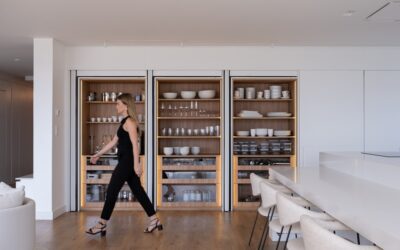
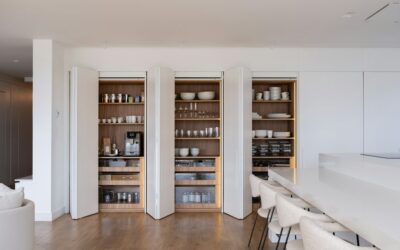
Nothing solves a cluttered kitchen faster than dedicated food storage, and a large kitchen pantry cabinet delivers a walk-in pantry’s worth of organization without needing a separate room. These tall, deep cabinets swallow bulk groceries, small appliances, and overflow dishes, turning chaos into order. Whether you buy a freestanding unit or build one in, choosing the right size, configuration, and interior fittings makes the difference between a black hole of forgotten cans and a smoothly functioning storage powerhouse. Here is what to know before you buy.
Part of our Kitchen Remodeling guide — explore the full guide →
- Freestanding vs. Built-In Pantry Cabinets
- Standard Sizes and Dimensions
- The Power of Pull-Out Shelves
- Materials and Construction Quality
- Interior Organization That Works
- Where to Place a Large Pantry Cabinet
- Matching a Pantry to Your Kitchen Style
- Cost and Value
- Common Mistakes to Avoid
- Storing Small Appliances and Bulk Items
- Ventilation, Pests, and Food Safety
Freestanding vs. Built-In Pantry Cabinets
The first decision is whether you want a freestanding cabinet or a built-in unit, and each suits different situations.
- Freestanding: a standalone piece of furniture you place against a wall. It requires no installation, can move with you, and suits renters or anyone wanting flexibility. Prices range widely, from $150 for a basic unit to $1,000-plus for solid wood.
- Built-in: a tall cabinet integrated into your cabinetry run, matching your kitchen’s doors and finish for a seamless, custom look. It maximizes floor-to-ceiling space and adds resale value but costs more and is permanent.
If your kitchen has an empty wall or an end-of-run spot, a built-in tall pantry gives the most storage and the cleanest look. If you need flexibility or a quick fix, a freestanding cabinet delivers immediately.
Standard Sizes and Dimensions
Large pantry cabinets come in predictable sizes. Tall pantry cabinets typically stand 84 to 96 inches high to reach standard and 9-foot ceilings, with widths of 18, 24, 30, or 36 inches and depths of 12 to 24 inches. A 24-inch-deep pantry matches base cabinet depth and holds the most, while a 12-inch-deep unit fits tight spaces and keeps items visible in a single row. Before buying, measure your available width, the ceiling height, and any obstructions like trim or light switches, and confirm the cabinet will fit through your doorways and around corners during delivery.
The Power of Pull-Out Shelves
The single biggest upgrade for any large pantry is pull-out or roll-out shelving. Deep fixed shelves inevitably become a graveyard where items at the back are forgotten past their expiration date. Pull-out shelves on smooth drawer glides bring the entire contents out to you, so nothing is lost in the depths. Look for cabinets with:
- Full-extension slides that pull the shelf all the way out.
- Adjustable shelf heights to accommodate tall boxes and small cans alike.
- Weight-rated glides, ideally 75 to 100 pounds, for heavy canned goods.
- Door-mounted racks that use the inside of the doors for spices and small items.
If your budget allows only one interior upgrade, make it pull-out shelves; they roughly double the usable capacity of a deep cabinet.
Materials and Construction Quality
A pantry loaded with canned goods carries serious weight, so construction matters. Solid wood and plywood boxes are the most durable and hold heavy loads without sagging, while particleboard and MDF cost less but can bow under weight over time, especially on wide, deep shelves. Check the shelf thickness, at least three-quarters of an inch prevents sagging, and confirm the shelves are well supported. Soft-close hinges and drawer glides add longevity and a quality feel. For a freestanding unit, look for a sturdy back panel and the option to anchor it to the wall for stability.
Interior Organization That Works
A large pantry only helps if it stays organized. Group items by category and zone the shelves: canned goods together, baking supplies together, snacks at kid height, breakfast items near eye level. Use clear bins and labeled containers so you can see what you have and pull a whole category out at once. Turntables or lazy Susans tame corner or deep spots, and stepped shelf risers let you see cans in the back rows. Decant flour, sugar, rice, and pasta into airtight containers to save space, deter pests, and keep everything visible. Keep the most-used items between knee and shoulder height, reserving the very top shelf for rarely used bulk stock.
Where to Place a Large Pantry Cabinet
Location affects how useful the pantry is. Ideally, place it within the kitchen work triangle or just adjacent, near where you unload groceries and prep food, so you are not walking across the room for every ingredient. An end-of-cabinet-run spot, a nook beside the refrigerator, or a wall between the kitchen and dining area all work well. Make sure the doors have room to swing fully open without hitting an island or appliance. If floor space is tight, a shallow 12-inch pantry along an unused wall adds significant storage with a small footprint.
Matching a Pantry to Your Kitchen Style
A large pantry cabinet is a prominent piece, so its look matters. For a built-in, match the door style, color, and hardware to your existing cabinets so it blends seamlessly. For a freestanding unit, you can either match your cabinetry or choose a contrasting furniture-style piece, like a farmhouse hutch or a bold-colored cabinet, that becomes a decorative feature. Glass-front upper doors show off dishes and pretty containers, while solid doors hide clutter completely. Choose based on how tidy you keep the interior and the look you want.
Cost and Value
Prices span a wide range. Basic freestanding pantry cabinets start around $150 to $400, mid-range solid-wood units run $500 to $1,200, and custom built-in tall pantries with pull-out fittings cost $1,000 to $3,000 or more installed. While a full custom pantry is a real investment, few upgrades improve daily kitchen function as much. A well-organized large pantry reduces food waste, speeds cooking, and declutters your counters and base cabinets, benefits you feel every single day.
Common Mistakes to Avoid
Homeowners often buy a pantry that is too shallow to hold much or too deep with fixed shelves that hide half the contents. Skipping pull-out shelves in a deep cabinet is the most common regret. Others underestimate the weight of stored food and choose flimsy particleboard that sags, or place the pantry too far from the prep zone. Measure carefully, prioritize full-extension roll-outs, choose sturdy construction, and site the cabinet where you actually cook, and your pantry will serve you well for years.
Storing Small Appliances and Bulk Items
A large pantry does far more than hold food; it can clear your countertops of the small appliances that create visual clutter. Reserve a lower shelf or a dedicated section for the stand mixer, slow cooker, air fryer, blender, and other occasional-use gadgets, keeping them accessible but out of sight. If you buy in bulk from warehouse stores, plan for the oversized packages, big bags of rice and flour, cases of canned goods, and multipacks of paper products, that do not fit in standard cabinets. A deep bottom shelf or a pull-out bin at floor level handles heavy bulk items best, keeping the weight low and easy to lift. Some homeowners even add an outlet inside the pantry to create an appliance garage where a coffee maker or toaster can be used without cluttering the counter.
Ventilation, Pests, and Food Safety
A well-run pantry protects your food as well as organizing it. A few practical habits keep stored goods fresh and safe:
- Keep the pantry in a cool, dry spot away from the oven and dishwasher heat, since warmth shortens the life of dry goods.
- Decant flour, grains, cereal, and pasta into airtight containers to lock out pantry moths and rodents.
- Practice first-in, first-out rotation, placing newer purchases behind older ones so nothing expires forgotten in the back.
- Check periodically for spills, crumbs, and signs of pests, and wipe shelves clean to remove anything that attracts them.
Pull-out shelves make this upkeep far easier, since you can inspect and clean the full depth of the cabinet without unloading everything by hand. A pantry that is easy to see into is a pantry that stays clean and waste-free.
A large kitchen pantry cabinet is one of the highest-impact storage upgrades you can make, consolidating groceries, appliances, and overflow into one organized, accessible spot. Decide between freestanding flexibility and built-in seamlessness, size it to your space and ceiling, insist on sturdy construction and pull-out shelves, and organize the interior into clear zones. Do that, and you will wonder how your kitchen ever functioned without it.