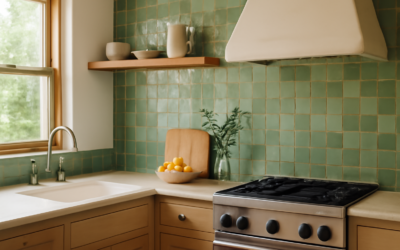
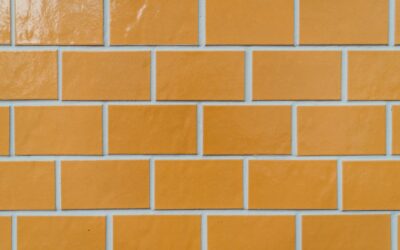
Zellige has become one of the most photographed tiles in modern kitchens and baths, but nearly every image you see shows it on a wall. A zellige tile floor is a different proposition. The handmade Moroccan clay tiles that shimmer so beautifully on a backsplash are soft, uneven, and glazed in a way that can chip and feel slick underfoot. That does not mean you cannot use zellige on a floor, only that you need to choose the right product, the right room, and the right installation approach to avoid disappointment.
Part of our Tile & Grout guide — explore the full guide →
What Is a Zellige Tile Floor?
Traditional zellige comes from Fez, Morocco, where artisans shape local clay by hand, dry it in the sun, fire it in wood or olive-pit kilns, and then chip each tile to size with a small hammer. The result is a terracotta body topped with a thick, glassy enamel glaze. No two tiles are identical. Surfaces undulate, edges are irregular, thickness varies by 1/8 inch or more, and the glaze pools and thins to create the famous light-catching variation.
When people talk about a zellige tile floor, they usually mean one of three things:
- Authentic glazed zellige laid on a floor, usually in a low-traffic room like a powder bath.
- Unglazed or matte zellige, sometimes called bejmat or terracotta zellige, which trades the shiny surface for better grip.
- Zellige-look porcelain, a machine-made tile printed and glazed to imitate the handmade surface while offering porcelain’s strength.
Each option behaves very differently underfoot, so knowing which one you are buying is the first decision.
Pros of Zellige Flooring
For the right space, zellige offers something no factory tile can fully match.
- Unmatched character: Hand-cut edges and variable glaze create depth and movement, especially in natural light.
- Timeless look: Zellige has been used in Moroccan architecture for more than 1,000 years, so it does not date the way trend tiles can.
- Rich color range: Deep greens, blues, terracotta, blush, and classic white are all available, with glaze variation that reads as a single color from a distance.
- Natural materials: Clay, water, and mineral glazes with minimal processing appeal to buyers seeking natural finishes.
- Forgiving of wear patina: Small chips and crazing blend into the handmade look rather than standing out, as they would on a perfect porcelain tile.
Cons and Real-World Problems
Honest contractors will tell you the drawbacks are significant on a floor.
Durability
Zellige’s clay body is fired at lower temperatures than porcelain, making it softer and more porous. The glaze can chip when you drop a cast-iron pan or drag a chair. On a floor, those chips accumulate, especially at tile edges that sit slightly proud of their neighbors.
Slip resistance
Glossy glazed zellige often has a low dynamic coefficient of friction (DCOF), typically below the 0.42 minimum recommended for level interior floors that get wet. In a bathroom, wet feet on glazed zellige is a genuine hazard. Matte or unglazed versions perform much better.
Uneven surface
Lippage, the height difference between adjacent tiles, is part of zellige’s charm on a wall. On a floor, it can catch toes, trap dirt, and make furniture wobble. Expect 1/16 to 1/8 inch of lippage even with a skilled installer.
Maintenance
The clay edges and grout joints absorb liquid and need sealing. Many zellige tiles also show crazing, a network of fine cracks in the glaze, which can trap dirt if not sealed.
Cost
Handmade tile is expensive and installing it takes longer, raising both material and labor costs.
Where Zellige Works and Where It Does Not
Room choice is the single biggest factor in whether a zellige tile floor succeeds. Good candidates include powder rooms, low-traffic entry nooks, fireplace hearths (as a decorative surround, not a firebox), bar areas, and small accent inlays surrounded by more durable tile. These spaces see limited foot traffic, little standing water, and few dropped objects.
Poor candidates include busy kitchens, primary bathroom floors that stay wet, mudrooms, and anywhere with rolling office chairs or large dogs. Outdoor use in climates with freeze-thaw cycles is also risky because the porous body can absorb water and spall when it freezes.
If you love the look but need a hardworking floor, zellige-look porcelain with a matte or textured finish gives you the color and variation with a PEI rating of 3 or higher and much better slip resistance.
Zellige Tile Floor Cost
Pricing varies by authenticity, size, and color. These figures reflect typical US retail and installation ranges.
| Option | Material per Sq Ft | Installed per Sq Ft |
|---|---|---|
| Authentic glazed zellige | $25 to $50 | $45 to $90 |
| Unglazed or matte zellige | $20 to $40 | $40 to $80 |
| Zellige-look porcelain | $6 to $15 | $14 to $30 |
| Zellige-look ceramic | $4 to $10 | $12 to $25 |
Labor runs higher for authentic zellige, typically $15 to $35 per sq ft, because installers must sort tiles, back-butter each one, and manage irregular joints. Order 15 to 20 percent overage rather than the usual 10 percent; handmade batches include broken and unusable pieces, and a second order will never match the first batch’s color exactly. A 40 sq ft powder room in authentic zellige often lands between $2,000 and $3,500 installed.
Choosing Size, Color, and Layout
Zellige is traditionally cut into small formats, and on a floor that is an advantage. The most common sizes are 4 x 4 inches, 2 x 6 inches, and small hexagons or “fish scale” shapes. Smaller tiles mean more grout joints, and more grout means better traction and more support for each fragile edge. Large 6 x 6 inch squares look calmer but show lippage more, since a slight warp across a wider face creates a more noticeable ridge.
Color affects how forgiving the floor will be. White and cream glazes show chips as tiny terracotta-colored dots, because the red clay body shows through wherever the enamel breaks. Deeper greens, blues, and browns hide those same chips far better. If you want a light floor, consider an unglazed natural terracotta zellige, where wear simply exposes more of the same color.
Layout options include straight stack, running bond, herringbone with 2 x 6 inch pieces, and checkerboard patterns mixing two glaze colors. Herringbone is striking but increases cutting, waste, and labor by roughly 20 to 30 percent. In a small powder room, a simple straight lay often lets the glaze variation do the talking. Before committing, ask your supplier for a sample board of at least 10 to 12 tiles, not a single piece. One tile cannot show you the range of shade, sheen, and thickness you will actually get across a whole floor, and some batches vary far more than others.
Installation Tips for Zellige Floors
Zellige is not a beginner DIY tile. If you hire out the work, confirm the installer has laid handmade tile before, and ask to see photos of floor installs specifically.
- Flatten the substrate. Tile will already vary, so the subfloor or slab should be flat to within 1/8 inch over 10 feet. Use a cement backer board or uncoupling membrane over wood subfloors with adequate deflection ratings (L/360 minimum; L/720 is better for stone-like materials).
- Blend boxes. Open all boxes and mix tiles before laying so color and thickness variation spread evenly across the room.
- Seal before grouting. Apply a penetrating sealer to the tile faces and edges before grout touches them. Otherwise grout haze and pigment can permanently stain the porous clay edges.
- Use medium-bed thinset. A large-and-heavy-tile mortar accommodates thickness differences. Back-butter each tile for full coverage, aiming for 95 percent contact on a floor.
- Keep joints tight but not zero. Floors benefit from a 1/16- to 1/8-inch joint. Many wall installs use near-zero joints, but a floor needs grout to support the edges and reduce chipping.
- Choose unsanded or fine sanded grout in a color close to the tile for a cohesive look, and seal the grout 72 hours after installation.
Sealing, Cleaning, and Long-Term Care
Seal a zellige floor with a penetrating impregnating sealer after installation and again every 12 to 24 months, depending on traffic. Do a water drop test: if water darkens the edges or grout within five minutes, it is time to reseal. Clean with a pH-neutral stone and tile cleaner and a damp microfiber mop. Avoid vinegar, bleach, and ammonia, which can etch glaze and degrade sealer. Place felt pads under chair legs, add a washable rug at sink and tub fronts, and keep a few spare tiles from the original batch for repairs. A chipped tile can be carefully cut out with an oscillating tool and replaced without disturbing its neighbors.
Should You Choose a Zellige Tile Floor?
A zellige tile floor is a design statement that works best in small, low-traffic, mostly dry rooms where you can enjoy its handmade beauty without asking it to behave like porcelain. Choose matte or unglazed zellige for better grip, budget $45 to $90 per sq ft installed for authentic tile, order generous overage, and seal diligently. If you need a floor that shrugs off kids, pets, and water, zellige-look porcelain delivers most of the visual appeal at a third of the price and several times the durability. Make the choice with eyes open, and either option can give you a floor that feels crafted rather than mass-produced.
Prefer to explore on your own?
See how new flooring looks in your actual room in seconds — free, no signup.
Try the free Floor Studio →