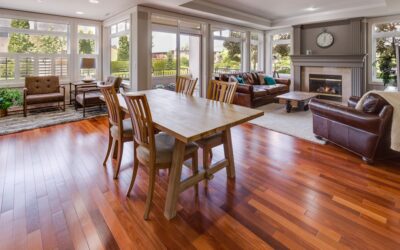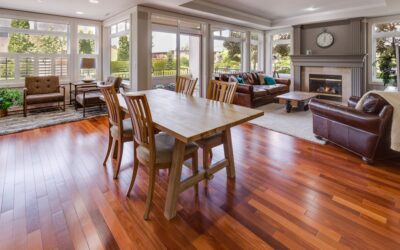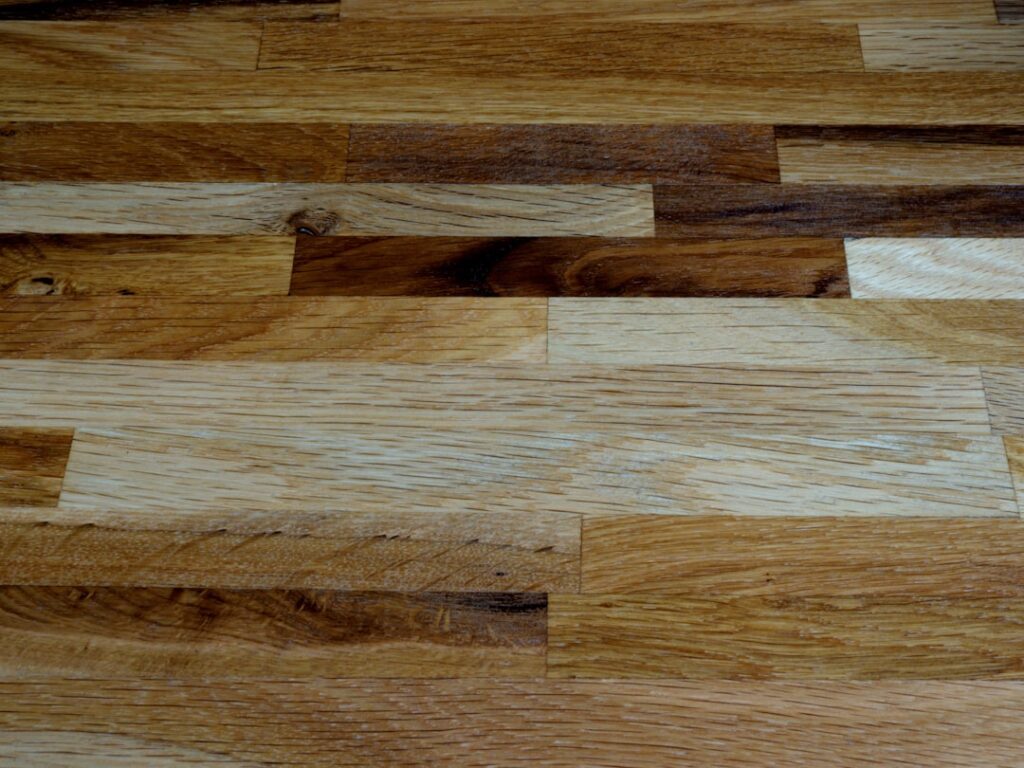
There’s a reason narrow strip oak has been the backbone of American homes for over a century. 2 inch oak flooring unfinished, usually sold as 2-1/4 inch strip, is the classic, timeless hardwood you see in bungalows, colonials, and craftsman homes across the country. Buying it unfinished means the sanding, staining, and sealing all happen in your home after installation, which gives you total control over the final color and a seamless, gap-free surface. It’s the traditionalist’s choice, and for good reason.
If you’re weighing narrow strip oak for your project, here’s what you need to know about the wood, the sizing, the finishing process, and what it’ll cost.
What “2 Inch” Strip Oak Really Means
When people say 2 inch oak, they almost always mean the industry-standard 2-1/4 inch wide strip. That extra quarter inch is a holdover from generations of milling standards, and it’s the most common width in traditional oak flooring. Anything under 3 inches wide is called “strip” flooring; 3 inches and wider is “plank.”
The narrow width isn’t just aesthetic. Narrow strips are more dimensionally stable than wide planks, they expand and contract less across their width, so they gap and cup less in changing humidity. That stability is part of why 2-1/4 inch oak has survived as the default for so long. It also creates a busier, more uniform grain pattern that reads as classic and formal rather than rustic.
Red Oak vs. White Oak
Your first real decision is species, and the two oaks behave differently enough to matter.
Red oak
The traditional American flooring wood. It has a warm, pinkish undertone and a strong, open grain pattern that hides scratches and dents well. Red oak takes stain beautifully and evenly, which makes it forgiving for DIY finishers. It rates about 1,290 on the Janka hardness scale. It’s usually a dollar or two cheaper per square foot than white oak.
White oak
Currently the more fashionable choice, white oak has cooler, more neutral brown tones with a tighter, subtler grain. It’s slightly harder at around 1,360 Janka and more water-resistant because its cellular structure is closed, historically why it was used for ships and whiskey barrels. White oak is the go-to for the light, natural, and gray-washed looks that dominate today’s design magazines.
Choose red oak for a warm, traditional look and a friendlier budget. Choose white oak for contemporary neutral or light finishes and a touch more durability.
Why Buy It Unfinished?
Prefinished oak comes sealed from the factory and installs faster, so why choose unfinished? A few real advantages drive that decision.
- Total color control: You pick the exact stain onsite and can test samples on your actual floor before committing.
- A seamless surface: Sanding after install levels every board flush, and the finish flows over the seams, so there are no micro-bevels between planks for dirt to collect in.
- A truly custom result: Match an existing floor, blend into a historic home, or create a one-off color you can’t buy prefinished.
- Repairability: A site-finished floor is easier to spot-repair and refinish seamlessly down the road.
The tradeoff is time, dust, and fumes. Unfinished floors require days of sanding and finishing in your home, and you can’t walk on them or move furniture back until the finish fully cures.
The Sand-and-Finish Process
Here’s what actually happens after the bare oak is nailed down. Understanding the sequence helps you plan the disruption.
- Rough sanding: A drum or belt sander levels the boards and removes mill marks, working through progressively finer grits.
- Edging: An edge sander reaches the perimeter and corners the big machine can’t.
- Screening and vacuuming: A fine screen smooths the surface, then everything gets vacuumed and tacked to remove dust.
- Staining (optional): The chosen stain is applied and wiped, then allowed to dry. Test colors first, oak takes stain differently than a sample chip suggests.
- Sealing: Two to four coats of polyurethane, oil-based or water-based, with light sanding between coats.
Plan on 3 to 5 days for the whole finishing process, plus curing time. Oil-based poly needs longer to cure but is durable and ambers nicely; water-based dries fast, stays clear, and has lower odor. Full cure before heavy furniture and rugs can take up to two to three weeks.
What 2 Inch Unfinished Oak Costs
Unfinished strip oak is one of the more affordable real hardwoods, which adds to its appeal.
- Unfinished red oak material: $3 to $6 per square foot.
- Unfinished white oak material: $4 to $8 per square foot.
- Installation (nail-down): $3 to $6 per square foot.
- Sand and finish onsite: $3 to $5 per square foot.
All in, expect roughly $9 to $19 per square foot installed and finished. For a 300-square-foot room, that’s about $2,700 to $5,700. Prefinished would install faster but costs more per board and gives you less control. Order 5 to 10 percent extra material for waste and future repairs.
Installation Basics
Strip oak is nailed down over a wood subfloor using a pneumatic flooring nailer that drives cleats through the tongue at an angle. Boards must acclimate in the room for several days first so their moisture content matches your home, skip this and the floor gaps or buckles later. Installers rack the boards to stagger the end joints and vary the grain for a natural look.
Over concrete, you’d need a plywood subfloor or engineered oak instead, since solid strip oak can’t be nailed directly to a slab. This is a job most homeowners hand to a pro because the nailing, racking, and especially the sanding demand experience and rented equipment that’s easy to gouge a floor with.
Caring for a Site-Finished Oak Floor
A freshly finished strip oak floor rewards a simple, consistent care routine. Sweep or dust-mop regularly to keep grit from scratching the finish, and damp-mop with a hardwood-specific cleaner, never a wet mop or steam. Wipe up spills quickly, since standing water can seep into seams over time. Felt pads under furniture legs and a walk-off mat at exterior doors prevent most of the wear that dulls a finish.
The beauty of site-finished oak is renewability. When the finish eventually shows traffic-lane wear, often after 10 to 20 years, you can screen and recoat with a fresh layer of polyurethane rather than a full sanding, which refreshes the surface for a fraction of the cost. And when the color finally feels dated, a complete sand-and-refinish lets you change stain entirely, taking a honey-toned floor to a modern natural or a rich dark walnut without replacing a single board.
Common Mistakes to Avoid
A few missteps trip up first-time buyers of unfinished strip oak. Skipping acclimation is the biggest, boards that haven’t adjusted to your home’s humidity will gap in winter or buckle in summer. Underestimating the finishing timeline is another; plan for the room to be unusable for the better part of a week and off-limits to heavy furniture for two to three weeks after.
- Don’t rush the stain test. Always sample stains on your actual installed floor, oak absorbs color unevenly and a chip won’t predict the result.
- Don’t skimp on coats. Three coats of poly in high-traffic homes outlast two by years.
- Don’t install over concrete without a proper plywood subfloor, solid strip oak needs wood to nail into.
- Don’t under-order. Keep a few extra boxes from the same lot for future repairs.
When to Choose Narrow Strip Oak
Reach for 2 inch oak flooring unfinished when you want a classic, timeless look, maximum dimensional stability, a fully custom stain color, or a seamless site-finished surface. It’s ideal for period homes, whole-house installs where you want continuity, and anyone who values the ability to refinish for decades to come. If you’d rather skip the dust and cure time, prefinished or wider plank might suit you better, but for a durable, authentic, and endlessly renewable hardwood floor, narrow strip oak remains one of the smartest choices in the trade.
Prefer to explore on your own?
See how new flooring looks in your actual room in seconds — free, no signup.
Try the free Floor Studio →