Ask any interior designer which rug size sells out fastest, and the answer is almost always the same. A 5 by 7 rug hits a sweet spot that works in apartments, bedrooms, home offices, and cozy living rooms alike. At 35 square feet, it is big enough to anchor a furniture grouping but small enough to move, clean, and afford. If you are buying your first area rug, this is the size most rooms are quietly asking for.
Why This Size Is So Popular
The appeal comes down to proportion. A 5-foot by 7-foot rectangle fills the open floor in front of a sofa or under a coffee table without swallowing the room. It reads as intentional rather than skimpy. Larger 8×10 and 9×12 rugs cost considerably more and are a chore to vacuum or relocate, while smaller 3×5 accent rugs can look like postage stamps in anything but an entryway.
There is also a practical money angle. Because demand is high, manufacturers produce this size in nearly every style, so you get the widest selection at the most competitive prices. That variety means you can find a wool, jute, or low-pile synthetic version to match almost any budget.
Where a 5×7 Works Best
Placement is everything. This size shines in rooms where you want to define a zone without covering wall-to-wall.
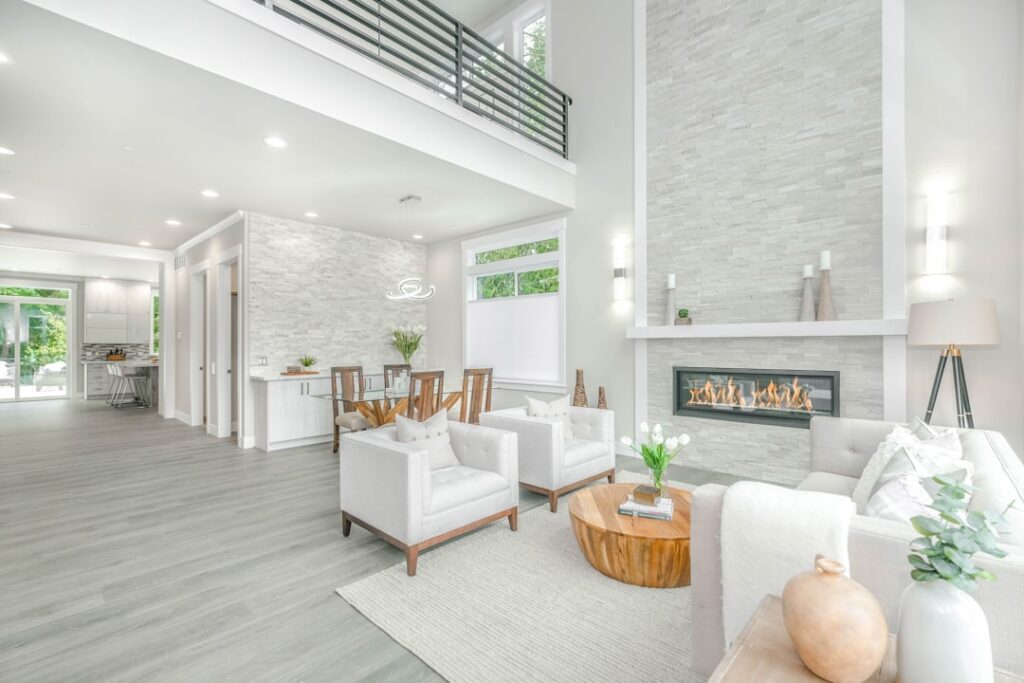
- Living rooms: Center it in front of the sofa with the front legs of your chairs or couch resting on the edge. This visually ties the seating together.
- Bedrooms: Slide it under the lower two-thirds of a queen bed so it frames the foot and sides, leaving warm landing spots when you step out.
- Home offices: Anchor a desk and chair, giving the workspace a finished, grounded feel.
- Dining nooks: Works under a small bistro or four-seat table, though you will want to confirm chairs stay on the rug when pulled out.
Placement Rules That Make Rooms Look Bigger
A rug placed wrong can shrink a space. Leave a consistent border of bare floor around the rug, typically 8 to 18 inches between the rug edge and the walls. This frame of exposed flooring tricks the eye into reading the room as larger. In a living room, aim to have at least the front legs of major seating pieces on the rug. Floating a rug entirely in the middle of a furniture grouping, with no piece touching it, is the most common mistake homeowners make.
For bedrooms, the goal is soft landings. Position the rug so it extends at least 18 to 24 inches beyond each side of the bed. That overhang is what gives you the cushioned step you actually feel in the morning.
Choosing the Right Material
Material drives durability, feel, and price. Match it to how the room gets used.
Wool
Wool is the gold standard for living areas. It is naturally stain-resistant, springs back from foot traffic, and lasts for decades. The tradeoff is cost, since a quality wool 5×7 sits at the higher end. It also sheds lightly for the first few months.
Synthetics (Polypropylene and Polyester)
For homes with kids, pets, or high traffic, machine-made synthetic rugs are hard to beat. Polypropylene resists moisture and stains, cleans easily, and costs a fraction of wool. Many washable rugs in this size are polyester blends thin enough to toss in a home machine.
Natural Fibers (Jute and Sisal)
Jute and sisal bring texture and an organic look that pairs well with neutral rooms. They are durable underfoot but less forgiving of spills, so keep them out of dining zones and away from pets prone to accidents.
Pile Height and Why It Matters
Pile is the height of the rug’s fibers. A low-pile rug under a quarter inch is easy to vacuum, sits flat under furniture, and works under doors that swing over it. A high-pile or shag rug feels plush and luxurious but traps dust and crushes under heavy furniture legs. For a versatile do-everything rug, low to medium pile is the safest choice. Reserve deep shag for bedrooms or low-traffic reading corners where comfort outranks practicality.
Do Not Skip the Rug Pad
A good rug pad is the most overlooked accessory in the whole purchase. Cut to roughly 4 foot 8 inches by 6 foot 8 inches so it disappears under the rug, a quality pad does three things. It grips the floor to stop slipping, adds a cushioned feel underfoot, and protects both the rug backing and the floor finish from abrasion. On hard surfaces especially, skipping the pad means a rug that slides and wears unevenly. Budget a little extra for one and your rug will last noticeably longer.
Color and Pattern Selection
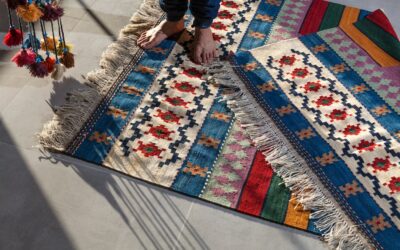
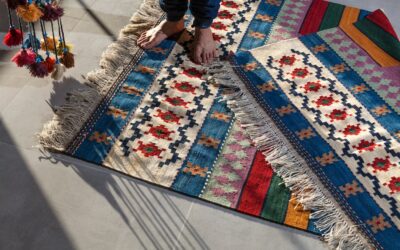
Beyond size and material, the rug’s color and pattern shape how a room feels. A patterned rug hides dirt, footprints, and the occasional spill far better than a solid one, which makes it the practical pick for high-traffic homes with kids and pets. Solid or subtly textured rugs read calmer and more modern but show every crumb. In small rooms, a lighter rug can make the space feel more open, while a bold pattern adds energy and becomes a focal point.
If your furniture is busy or your walls are colorful, a quieter rug grounds the room without competing. If your space is mostly neutral, a patterned rug brings welcome life. There is no wrong answer, but matching the rug’s visual weight to the rest of the room keeps everything balanced.
Budget Expectations
One of the reasons this size is so beginner-friendly is the wide price range. Entry-level machine-made polypropylene versions are very affordable and easy to replace if they wear out or a stain wins. Mid-range washable and flat-weave options cost a bit more and add convenience. Hand-knotted wool sits at the premium end, where you are paying for craftsmanship and decades of durability. Decide how long you expect to keep the rug, then spend accordingly. A short-term apartment rug and a forever-home living room rug call for very different budgets.
Care and Cleaning Tips
Vacuum regularly to keep grit from grinding down the fibers, and rotate the rug 180 degrees every few months so sun fading and foot traffic wear evenly. Blot spills immediately rather than rubbing, which pushes stains deeper. For washable synthetic versions, follow the label and air-dry flat to avoid shrinkage. With basic care, even a budget 5×7 holds up for years of daily use.
Making the Final Choice
When you put it all together, the decision comes down to matching the room. Pick a low-pile wool or synthetic for busy living spaces, a plush option for bedroom comfort, and a natural fiber for texture in calm, low-traffic rooms. Pair whatever you choose with a proper pad, place it with a clean border of floor showing, and this go-anywhere size will quietly pull a room together better than almost any other single purchase you can make.