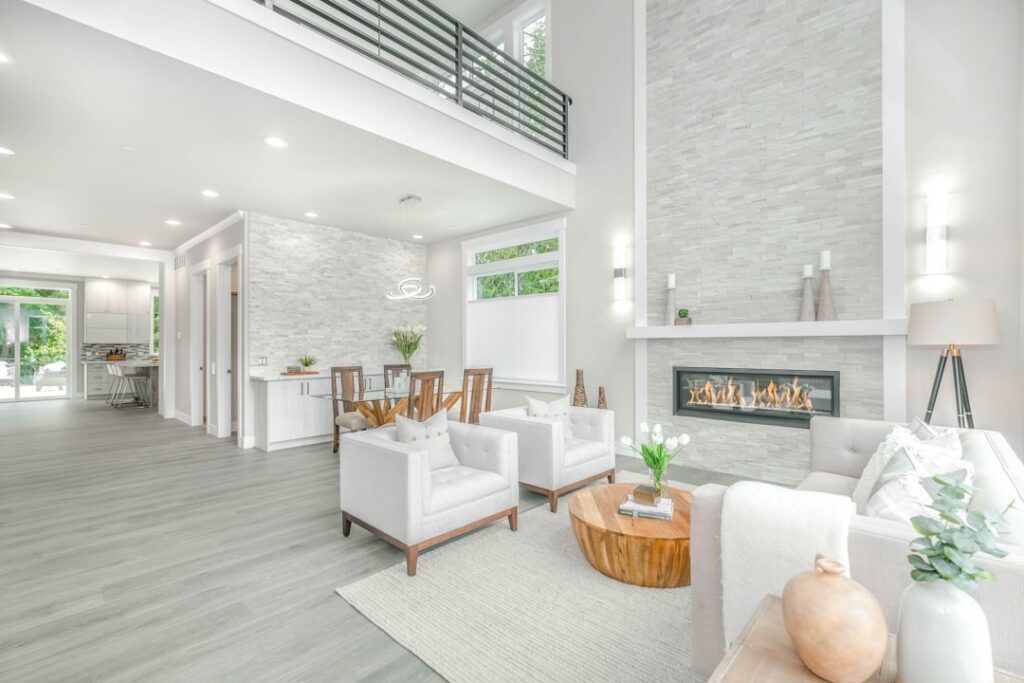
A 12×8 rug is one of the most versatile large-format sizes on the market, and choosing one well can anchor an entire room in a single afternoon. Measuring 12 feet by 8 feet, or roughly 96 square feet, a 12×8 rug sits comfortably in the gap between a standard 8×10 and a jumbo 9×12, which makes it a smart pick for medium to large living rooms, open-plan dining zones, and generously sized bedrooms. Before you buy, it helps to understand exactly how this footprint behaves under furniture and across different floor types.
- What "12×8" Actually Means
- Which Rooms Suit a 12×8 Rug
- Placement Rules That Make the Room Look Bigger
- Materials and What to Expect
- Pile Height and Traffic Considerations
- Do You Need a Rug Pad?
- Cleaning and Long-Term Care
- Budgeting and Final Buying Tips
- How a 12×8 Compares to Other Large Sizes
- Common Mistakes to Avoid
What “12×8” Actually Means
The label describes the rug’s dimensions in feet, with 12 being the length and 8 being the width. That gives you 96 square feet of coverage. Keep in mind that rug sizes are nominal, so a rug sold as 12×8 often measures a couple of inches short in each direction after weaving and finishing. If you are working with a tight layout, order the rug and re-measure your space allowing for a 1 to 2 inch tolerance on each side.
People frequently confuse 12×8 with 8×12, but they are the same rug described from different orientations. What matters is how you turn it in the room: run the 12-foot dimension parallel to your longest wall or the natural sightline as you enter, and the proportions will read correctly.
Which Rooms Suit a 12×8 Rug
This size shines in rooms between roughly 12×14 and 14×18 feet. Below are the spaces where it performs best:
- Living rooms: Large enough to slide all four legs of a sofa and accent chairs onto the rug, or at minimum the front legs, tying the seating group together.
- Dining rooms: A 12×8 comfortably fits a table seating six to eight, with the standard 24 inches of clearance so chairs stay on the rug when pulled out.
- Primary bedrooms: Positioned under a queen or king bed with the lower two-thirds of the mattress on the rug, it leaves a soft border to step onto each morning.
- Open-plan zones: Use it to define a lounge area within a larger great room, giving the eye a visual boundary.
Placement Rules That Make the Room Look Bigger
Getting the placement right matters more than the price tag. In a living room, aim to leave 8 to 18 inches of bare floor between the rug edge and the walls. A rug that runs wall to wall looks like poorly fitted carpet, while one that floats too small in the center makes furniture appear disconnected.
For seating arrangements, the gold standard is all furniture legs on the rug. When that is not possible with a 12×8, put the front legs of the sofa and chairs on the rug so everything still feels grounded. In dining rooms, center the table on the rug and check that a chair pulled back for someone to sit still has its rear legs on the pile. That is why the extra 24 inches on every side matters.
Materials and What to Expect
The fiber you choose determines durability, feel underfoot, and how the rug ages. Here is a quick breakdown of common options at this size:
- Wool: Naturally stain-resistant, springy, and long-lasting. Expect $600 to $2,500 for a quality hand-tufted or hand-knotted 12×8. Wool hides footprints and bounces back from furniture dents.
- Polypropylene (olefin): Budget-friendly and highly stain-resistant, running $150 to $500. Ideal for high-traffic family rooms and homes with kids or pets.
- Polyester: Soft and vivid in color, often $200 to $600, though it can flatten faster than wool under heavy use.
- Jute and natural fiber: Textural and casual, $300 to $900, best in low-moisture rooms since they stain easily and do not tolerate spills well.
- Viscose or bamboo silk: Luxuriously soft with a sheen, but delicate and prone to watermarking, so reserve these for low-traffic bedrooms.
Pile Height and Traffic Considerations
Pile height is measured from the backing to the top of the fibers. A low pile under 0.25 inch is easy to vacuum and lets doors swing freely, which suits dining rooms where chairs move constantly. Medium pile between 0.25 and 0.5 inch balances comfort and maintenance for living rooms. High or shag pile over 0.5 inch feels plush in a bedroom but traps crumbs and shows vacuum tracks.
Match the pile to the room’s job. A 12×8 shag under a dining table is a maintenance headache, while a flat weave in a bedroom can feel too utilitarian. Think about who walks across it and how often before you commit.
Do You Need a Rug Pad?
Almost always, yes. A quality rug pad adds cushioning, prevents slipping, and protects both the rug and the floor beneath it. For a 12×8 rug, buy a pad cut about one inch smaller on each side, so a pad around 11 feet 10 inches by 7 feet 10 inches. On hard floors like hardwood, laminate, or luxury vinyl, choose a felt-and-rubber pad that grips without leaving residue. On carpet, a thinner low-profile pad keeps the rug from creeping. Expect to spend $40 to $120 on a good pad for this size, and treat it as non-optional rather than an upsell.
Cleaning and Long-Term Care
Regular maintenance extends the life of a large rug dramatically. Vacuum at least once a week, more in high-traffic homes, using a suction-only setting or low pile height for delicate fibers. Rotate the rug 180 degrees every three to six months so sun fading and foot-traffic wear spread evenly. Blot spills immediately with a clean cloth rather than rubbing, which pushes stains deeper into the pile.
For a deeper clean, most synthetic 12×8 rugs tolerate professional steam cleaning once a year, while wool benefits from a specialist rug wash every 18 to 24 months. Natural fibers like jute should only be spot-cleaned and never soaked, since water can cause the backing to warp or brown.
Budgeting and Final Buying Tips
Set your budget against how long you expect the rug to last. A $200 polypropylene 12×8 is a sensible choice for a playroom you will redecorate in a few years, while a $1,200 hand-knotted wool piece is an heirloom-grade investment for a formal living room. Before you order, tape out the 12-by-8-foot footprint on your floor with painter’s tape and live with it for a day. This simple test reveals whether the size crowds walkways or leaves furniture stranded.
Finally, consider color and pattern in the context of your existing floor. A busy pattern hides stains and traffic lanes, making it forgiving in family spaces, while a solid or subtly textured rug reads as more refined and shows every mark. A well-chosen 12×8 rug should feel intentional, generous, and perfectly scaled to the room it grounds, turning a collection of furniture into a cohesive, welcoming space.
How a 12×8 Compares to Other Large Sizes
Understanding the neighboring sizes helps you confirm you are choosing correctly. The 8×10, at 80 square feet, is the default large rug most retailers push, but it can feel slightly small under a big sectional. The 9×12, at 108 square feet, is the true jumbo, better suited to rooms wider than 14 feet. A 12×8 splits the difference, offering more length than an 8×10 without the bulk of a 9×12.
Where the 12×8 really wins is in long, rectangular rooms. Its stretched proportions echo the shape of a narrow living room or a galley-style open plan, filling the floor gracefully where a squarer 9×12 might crowd the walls. If your room is longer than it is wide, this size often looks more natural than any of the standard squares.
Common Mistakes to Avoid
Even a beautiful rug can look wrong if the fundamentals are off. Watch out for these frequent errors:
- Buying too small “to save money”: An undersized rug makes a room feel choppy and cheap. If your budget is tight, choose a less expensive fiber at the correct 12×8 size rather than a pricier rug that is too small.
- Skipping the rug pad: Bunching, slipping, and premature wear all trace back to a missing pad. It is the cheapest insurance you can buy.
- Ignoring door clearance: A thick, high-pile 12×8 can block doors from opening in a bedroom or dining room. Measure the gap under swinging doors before buying a plush rug.
- Forgetting the vacuum: A large rug in a shag pile is far harder to keep clean than a low-pile weave. Be honest about how much upkeep you will actually do.
Steer clear of these pitfalls and your 12×8 rug will look and perform exactly as intended, anchoring the room with the right scale, comfort, and durability for years of everyday use.