Walk into a room with a rug that is a hair too small and something feels off, even if you cannot name it — the furniture looks like it is floating on a postage stamp. A 7 by 9 rug sits in a useful sweet spot: big enough to anchor a seating group or fill a modest dining area, yet small enough to leave a clean border of floor around the edges. Pick this size for the right room and it pulls everything together. Pick it for the wrong room and you get that floating-furniture problem all over again.
Where a 7 By 9 Rug Fits Best
This is a true mid-size rug. At roughly 63 square feet, it works in spaces where an 8×10 would crowd the walls but a 5×7 would look stranded. Think apartment living rooms, cozy dens, smaller primary bedrooms, and breakfast nooks.
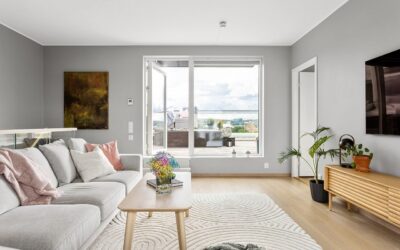
In a living room, a 7×9 typically suits a sofa-and-loveseat arrangement in a space around 11 by 13 feet. In a bedroom, it slides nicely under the lower two-thirds of a queen bed, leaving warm rug to step onto each morning. For dining, it handles a four-seat table comfortably as long as the chairs stay on the rug when pulled out.
Furniture Placement That Looks Intentional
The single biggest mistake homeowners make is leaving a rug fully outside the furniture. Designers use three standard layouts, and a 7×9 leans toward the first two:
- Front legs on: the front feet of your sofa and chairs sit on the rug while the backs rest on the floor. This is the go-to for a 7×9 in a living room and visually ties the seating together.
- All furniture off, rug centered: works for a smaller seating group around a coffee table, leaving the rug to define the conversation zone.
- Everything on: usually needs a larger rug, but a tight bedroom seating corner can pull it off.
Aim to leave 10 to 18 inches of bare floor between the rug edge and the walls. That border frames the rug and keeps the room from feeling wall-to-wall carpeted.
Choosing the Right Material
Material decides how the rug holds up and how it feels underfoot. Match it to the room’s traffic and your tolerance for upkeep.
High-traffic rooms
Wool is the classic choice — naturally stain-resistant, springy, and good for decades, though it runs $300 to $900 in a 7×9. Polypropylene and other synthetics cost far less, often $80 to $250, shrug off spills, and suit homes with kids and pets.
Low-traffic and texture-forward rooms
Natural fibers like jute and sisal bring a casual, organic look for around $100 to $300, but they scratch underfoot and stain easily, so keep them out of dining zones. Plush viscose and cotton blends feel soft in bedrooms but wear faster in busy spaces.
Pile Height and Why It Matters
Low-pile rugs under a quarter inch are the practical pick under dining tables and rolling chairs, and they vacuum easily. High-pile and shag rugs feel luxurious in bedrooms and reading corners but trap crumbs and make chair legs catch. In a 7×9 destined for double duty, a medium-low pile around a quarter to half an inch balances comfort and maintenance.
Don’t Skip the Rug Pad
A quality rug pad is the cheapest upgrade you can make. Cut to about an inch smaller than the rug on all sides, a good pad keeps the rug from sliding, cushions footsteps, and protects the floor underneath from grit and dye transfer. On hardwood, use a felt-and-rubber pad rather than cheap waffle foam, which can break down and leave a sticky residue on the finish. Budget $25 to $50 for a 7×9 pad — it also extends the rug’s life by reducing the wear that comes from the rug grinding against the floor.
Color, Pattern, and Scale
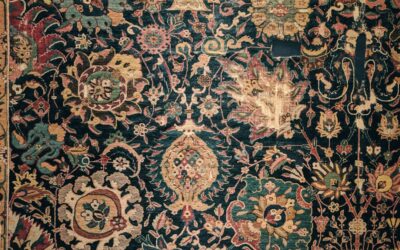
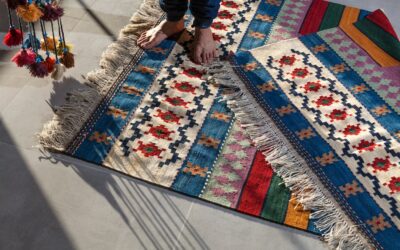
In a mid-size rug, a busy all-over pattern can hide spills and footprints, which makes it forgiving in family rooms. Solid or tonal rugs read calmer and let furniture take center stage, but they show every crumb. For a room with patterned furniture, pull a quiet rug; for plain furniture, a 7×9 with some pattern adds the interest the room is missing.
Scale the pattern to the room. Large-scale motifs can feel cramped on a 7×9 in a small space, while a medium repeat sits comfortably. Lighter colors open up a tight room; deep tones make a large open-plan area feel cozier and more defined.
Cleaning and Long-Term Care
How you maintain a 7×9 depends on its fiber, but a few habits apply across the board. Vacuum weekly to pull out the grit that grinds down fibers from the inside, and rotate the rug a couple of times a year so foot traffic and sunlight wear it evenly. A rug that always sits the same way fades and flattens in predictable lanes.
Blot spills immediately rather than rubbing, which spreads the stain and frays the pile. Synthetic rugs tolerate water-based spot cleaners well, while wool prefers gentle, wool-safe products and natural fibers like jute want as little moisture as possible. For a deep clean every year or two, a professional service handles wool and delicate fibers safely, and many machine-made synthetic 7×9 rugs are small enough to take outside and hose down on a dry day.
What to Spend and Where to Buy
A 7×9 spans a wide price range depending on fiber and construction. Machine-made synthetics start under $100, mid-range wool blends land between $300 and $600, and hand-knotted wool can run well over $1,000. Match the spend to the room’s wear: drop more on a living room rug that gets daily traffic and less on a guest room that sees occasional use.
Before you buy, tape out a 7-by-9-foot rectangle on the floor with painter’s tape and live with it for a day. Seeing the actual footprint tells you instantly whether a 7 by 9 rug anchors your furniture or leaves it stranded. That five-minute test saves the hassle of a return and the disappointment of a rug that never quite looks right.