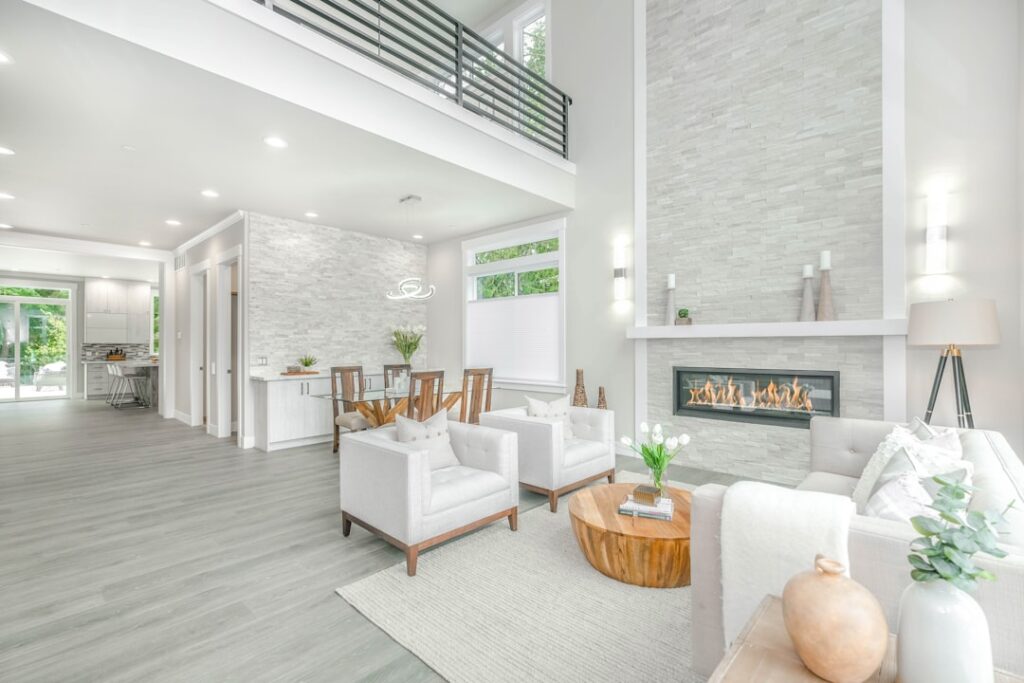
An 11×11 rug is one of those sizes that solves a specific design problem beautifully while flying under most people’s radar. Square rooms, square seating arrangements, and open-plan zones that need balanced grounding all benefit from a large square format that rectangular rugs simply can’t match. At 121 square feet, it’s a generous footprint that anchors a full furniture grouping without leaving awkward gaps.
Because square rugs are less common than standard rectangles, knowing how and where to use one helps you avoid the most frequent layout mistakes.
When a Square Rug Makes Sense
Most living spaces default to rectangular rugs because most rooms and furniture layouts are rectangular. But certain situations call for a square, and that’s where an 11-by-11 shines.
- Square or nearly square rooms: A square rug mirrors the room’s proportions and reinforces a sense of balance.
- Symmetrical seating: Four chairs around a square coffee table, or two facing sofas, sit naturally on a square footprint.
- Open-plan zones: A square rug carves out a defined seating island within a larger great room.
- Under round dining tables: A square rug echoes the table’s central form while giving chairs room to slide back.
Getting Placement Right
The cardinal rule of large rugs applies here: furniture should relate to the rug, not float beside it. With an 11×11, you have enough area to place all furniture legs fully on the rug in a medium living room, which creates the most cohesive, intentional look.
If your space is tighter, the front-legs-on approach still works well. Set the front legs of sofas and chairs on the rug while the back legs rest on the floor. This visually connects the furniture to the rug and makes the seating area feel unified. Aim to leave a consistent border of bare floor, ideally 8 to 18 inches, between the rug edge and the walls so the rug reads as a deliberate frame rather than wall-to-wall carpet.
Measuring Your Space
Before committing, tape out the dimensions. Use painter’s tape to mark an 11-by-11 square on your floor, then arrange your furniture around it. This simple trick reveals immediately whether the size grounds your layout or overwhelms the room.
As a rough guide, an 11×11 suits rooms of roughly 13 by 13 feet up to about 15 by 15 feet, leaving a balanced border on all sides. In a much larger great room, the same rug works to define a single zone while the surrounding floor stays exposed.
Choosing the Right Material
A rug this size is a significant purchase, so match the fiber to the room’s traffic and your lifestyle.
- Wool: Naturally resilient, soft, and stain-resistant. The premium choice for living and dining rooms, though pricier.
- Nylon and other synthetics: Durable, budget-friendly, and easy to clean, ideal for high-traffic households with kids and pets.
- Cotton: Casual and washable in some constructions, but less durable underfoot over time.
- Natural fibers (jute, sisal): Textured and earthy, great for layering, though rougher underfoot and harder to spot-clean.
- Polypropylene: Affordable and stain-resistant, a practical pick for casual or indoor-outdoor spaces.
Pile Height and Feel
Pile affects both comfort and practicality. Low-pile and flat-woven rugs are easier to vacuum, let dining chairs slide smoothly, and suit high-traffic zones. Plush high-pile and shag rugs feel luxurious underfoot in a living room but trap more dust and make chair movement awkward, so they’re a poor fit under a dining table.
For a square rug that anchors a seating area, a medium pile balances comfort and maintenance. Under a round table, choose low pile so chairs glide and crumbs sweep up easily.
Color and Pattern for a Square Format
The strong, symmetrical shape of a square rug pairs especially well with centered, radial patterns. A medallion design, a concentric border, or an all-over geometric draws the eye toward the middle and reinforces the balanced feel that makes square rugs special.
For a calmer look, a solid or subtly textured square rug acts as a quiet foundation that lets your furniture and art take center stage. In high-traffic homes, a medium-tone color or a forgiving pattern hides everyday dirt far better than a pale solid.
Square Rugs in Open-Plan Spaces
Open-concept homes pose a unique design challenge: without walls to define them, the living, dining, and circulation zones can blur into one undifferentiated space. A square rug is a powerful tool for solving this, because its strong, self-contained shape carves out a clearly defined island within the larger room.
Place an 11×11 under your main seating group and it instantly signals where the living area begins and ends, anchoring sofas and chairs into a cohesive conversation zone while the surrounding flooring stays open for traffic. The symmetry of the square reads as intentional and calm, which helps a big open room feel organized rather than sprawling. If you have a second zone nearby, like a dining area, you can pair the square living-room rug with a differently shaped rug there to give each function its own visual footing.
Don’t Forget the Rug Pad
A rug this large needs a quality pad underneath, cut about an inch smaller than the rug on each side. A good pad does several jobs at once: it keeps the rug from sliding, adds cushioning underfoot, protects your floor from abrasion, and helps the rug lie flat instead of curling at the corners. On hard floors, a felt-and-rubber combination pad offers the best grip and comfort.
Care and Longevity
Keeping a large square rug looking its best takes only modest effort.
- Vacuum regularly, more often in high-traffic paths, using the right setting for your pile height.
- Rotate the rug 180 degrees every few months so foot traffic and sunlight wear it evenly.
- Blot spills immediately rather than rubbing, and treat stains with a cleaner suited to the fiber.
- Schedule professional cleaning every year or two for wool and other natural fibers.
The right 11×11 rug brings order and warmth to a square room or an open zone that a rectangle would leave feeling lopsided. Tape out the size, choose a fiber that matches your traffic, add a good pad, and you’ll have a balanced, grounded space that feels intentional from every angle.