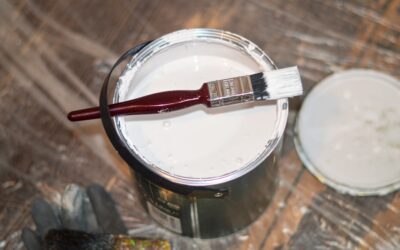
When you are painting an entire house exterior, buying paint by the single gallon is a losing game, both for your wallet and for color consistency. A 5 gallon exterior paint bucket is the standard workhorse for whole-house jobs, covering hundreds of square feet, cutting the per-gallon price, and guaranteeing every wall comes from the same batch so the color matches perfectly. But not all five-gallon buckets are equal, and buying the right amount and the right product makes the difference between a smooth job and a frustrating trip back to the store mid-project.
Part of our Paint & Walls guide — explore the full guide →
- How Much Does 5 Gallons Cover?
- Calculating How Many Buckets You Need
- The Cost Advantage of Buying in Bulk
- Choosing the Right Exterior Paint
- Surface and Climate Considerations
- Application Tips for Whole-House Jobs
- Spray, Roll, or Brush?
- Primer: When You Need a Separate Bucket
- Storing and Reusing Leftover Paint
- Timing Your Exterior Paint Job
- Final Thoughts
How Much Does 5 Gallons Cover?
Coverage is the first number every painter needs. A gallon of quality exterior paint covers roughly 350 to 400 square feet in one coat on a smooth surface. That means a five-gallon bucket covers about 1,750 to 2,000 square feet per coat under ideal conditions. In the real world, though, coverage drops on rough or porous surfaces:
- Smooth siding (vinyl, aluminum, smooth stucco): Close to the full 350 to 400 sq ft per gallon
- Wood clapboard and lap siding: Around 300 to 350 sq ft per gallon
- Rough stucco, brick, and masonry: As low as 150 to 250 sq ft per gallon
- Textured or previously unpainted wood: Expect heavier absorption on the first coat
Always plan for two coats on exteriors for durability and even color, especially over a color change or bare substrate. That effectively halves your coverage per bucket, so a five-gallon pail realistically finishes about 875 to 1,000 square feet of two-coat wall.
Calculating How Many Buckets You Need
Do the math before you shop to avoid both shortfalls and waste. Measure the total wall area:
- Measure each wall: multiply width by height for every exterior wall.
- Add them together for total gross wall area.
- Subtract large openings like garage doors and big windows, roughly, do not sweat small windows.
- Divide by your coverage rate (say 350 sq ft per gallon), then multiply by two for two coats.
- Divide by five to get the number of buckets, and round up.
For example, a typical single-story 1,500-square-foot home has around 1,500 to 1,800 square feet of paintable exterior wall. At two coats, that is roughly 8 to 10 gallons, or two five-gallon buckets. A two-story home commonly needs three buckets or more.
The Cost Advantage of Buying in Bulk
The biggest reason to buy the five-gallon size is price. Paint is cheaper per gallon in the large pail than in individual cans. Exterior paint runs roughly:
- Budget lines: $120 to $160 per 5-gallon bucket ($24 to $32 per gallon)
- Mid-grade: $160 to $230 per bucket ($32 to $46 per gallon)
- Premium (top-tier acrylic): $230 to $350 per bucket ($46 to $70 per gallon)
Compared to buying the same paint by the gallon, the bucket typically saves 10 to 20 percent. Just as importantly, one bucket means one factory batch, eliminating the subtle color shifts, called hatbanding, that can occur when you mix cans tinted at different times.
Choosing the Right Exterior Paint
Price aside, the paint’s formulation determines how long your job lasts. For exteriors, a few features matter most:
100 Percent Acrylic Latex
The gold standard for exterior walls. Acrylic binders flex with temperature swings, resist fading and chalking, and breathe so trapped moisture can escape. Avoid cheaper vinyl-acrylic blends for full sun exposure.
Paint-and-Primer Formulas
Convenient over previously painted, sound surfaces, but bare wood, chalky old paint, or bare masonry still need a dedicated primer first. Do not skip real primer on raw substrates.
Sheen Selection
Exterior sheens run from flat to satin to semi-gloss. Flat hides surface imperfections and suits siding; satin and low-luster resist dirt and are easier to wash; semi-gloss goes on trim, doors, and shutters for durability and pop.
Surface and Climate Considerations
Match the paint to your substrate and weather. Masonry and stucco do best with a breathable acrylic masonry paint or an elastomeric coating that bridges hairline cracks. Wood siding needs a flexible acrylic that moves with the seasons. In hot, sunny climates, choose fade-resistant, UV-stable colors and formulas; in wet or humid regions, prioritize mildew-resistant paint. Never paint in direct blazing sun or when temperatures fall below the product’s minimum, usually 50°F, or the finish will not cure properly.
Application Tips for Whole-House Jobs
Working from a five-gallon bucket changes your technique. A few field-tested habits:
- Box your paint: If you use more than one bucket, pour and mix them together, called boxing, to guarantee uniform color across the whole house.
- Use a bucket grid or a pump. A roller grid hung in the pail or an airless sprayer fed straight from the bucket beats constant tray refills.
- Stir thoroughly before and during use; pigments and additives settle in a big pail.
- Keep a wet edge and work in the shade, following the sun around the house to avoid lap marks.
- Reseal the lid tightly between sessions and store leftovers for future touch-ups.
Spray, Roll, or Brush?
For a whole-house exterior, an airless sprayer feeding from the five-gallon bucket is fastest and gives the smoothest finish, but you must back-roll or back-brush the wet paint into the surface for proper adhesion, especially on wood. Rolling with a good 3/4-inch nap cover works well on flat siding, and brushing handles trim, corners, and detail. Most pros combine methods: spray the field, back-roll it, and cut in the trim by brush.
Primer: When You Need a Separate Bucket
Paint-and-primer products are convenient, but they do not replace a dedicated primer on problem surfaces. Buy a separate five-gallon bucket of exterior primer when you are painting bare wood, which soaks up paint and needs a sealing coat; over bare or chalky masonry, which needs a masonry primer to bond; over bare metal, which needs a rust-inhibiting primer; or when covering a drastic color change or stains that would bleed through. A quality bonding or stain-blocking primer ensures the topcoat adheres and lasts, and it actually stretches your finish paint because the primer seals the porosity instead of the expensive color coat doing it. On a sound, previously painted surface in good shape, a paint-and-primer topcoat alone is usually fine, but never skip real primer on raw or troubled substrates.
Storing and Reusing Leftover Paint
A whole-house job almost always leaves paint in the bucket, and stored well it stays good for years, giving you free touch-ups down the road. Seal the lid tight, tapping it fully closed with a rubber mallet, and store the bucket somewhere temperature-stable, never a freezing garage or a baking attic, since extreme heat and freeze cycles ruin latex paint. Before sealing, wipe the rim clean so the lid seats properly, and note the color name, formula, and the room or side of the house on the lid with a marker. For long storage, some painters lay a sheet of plastic wrap directly on the paint surface to prevent skinning. When you reopen it, stir thoroughly and strain out any skin through a paint filter, and it will match your walls for years of small repairs. Keeping a labeled quart decanted from the big bucket is even handier for quick dab-ups, saving you from wrestling the heavy pail off the shelf every time a scuff appears.
Timing Your Exterior Paint Job
Even the best five-gallon bucket fails if applied in the wrong conditions, so timing is part of the purchase decision. Aim for mild, dry weather with temperatures between 50°F and 85°F and low humidity, which lets the paint cure properly and adhere. Late spring and early fall are ideal in most regions. Avoid painting in direct blazing sun, which flash-dries the surface and causes lap marks, and never paint when rain is forecast within 24 hours, since fresh latex needs time to set before it gets wet. Check that overnight lows will not dip below the product’s minimum, as cold nights can ruin a coat applied late in the day. Following the sun around the house, always painting the shaded side, keeps a wet edge and gives the most uniform finish from your bucket.
Final Thoughts
A 5 gallon exterior paint bucket is the practical, economical choice for any whole-house job, delivering lower cost per gallon and guaranteed color consistency across every wall. Measure your surfaces carefully, plan for two coats, and buy enough buckets to finish without a mid-project run to the store. Choose a quality 100 percent acrylic formula matched to your siding and climate, box multiple buckets for uniform color, and apply in good conditions. Do that, and a bulk bucket of exterior paint will give your home a durable, even finish that stands up to years of sun and weather.