The rug that shows up under almost every well-styled coffee table on the internet is not wool or a bold print, it is humble jute. A 5×8 jute rug delivers that organic, textural look at one of the lowest prices in floor coverings, bringing warmth and a natural, earthy foundation to a room without shouting for attention. But jute is a specific fiber with real strengths and real weaknesses, and knowing them is the difference between a rug you love for years and one that disappoints in months. This guide covers the fiber, the weaves, where a 5×8 fits, and how to care for it.
What Jute Actually Is
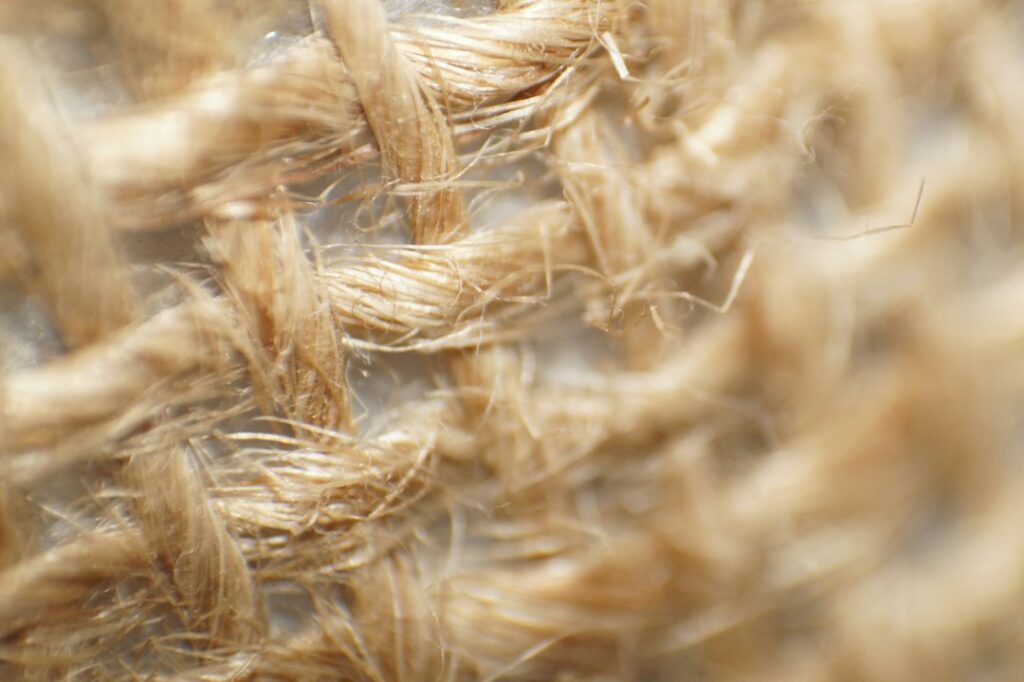
Jute is a natural plant fiber spun from the stalks of the jute plant, grown mostly in India and Bangladesh. It is the same material used to make burlap and twine, which tells you a lot about its character: soft-ish, ropey, and naturally golden-tan in color. Among natural-fiber rugs, jute is the softest option, noticeably gentler underfoot than its cousin sisal.
Because it is a raw plant fiber, jute has a beautiful organic irregularity and a warm neutral tone that pairs with almost any decor. It is also biodegradable and renewable, which appeals to eco-conscious shoppers looking for a sustainable floor covering.
Why People Love Jute Rugs
Jute’s popularity comes down to a specific set of strengths:
- Affordable: One of the cheapest natural-fiber rugs, often a fraction of wool’s price
- Neutral and versatile: The tan, organic tone works with coastal, farmhouse, boho, and modern styles
- Soft for a natural fiber: More comfortable underfoot than sisal or seagrass
- Great for layering: A perfect textured base to layer a smaller patterned rug on top
- Adds warmth and texture: Brings tactile, organic depth to a room of hard surfaces
That layering trick is a designer favorite: a 5×8 jute rug underneath a smaller vintage or colorful rug creates depth and lets you enjoy both textures at once.
Understanding Jute’s Weaknesses
Jute is wonderful in the right spot and a poor choice in the wrong one, so be honest about the room. Its two big weaknesses are water and heavy abrasion. Jute absorbs moisture readily and can develop water stains, mildew, or a musty smell if it gets wet, so it is a bad fit for bathrooms, kitchens, mudrooms, and any damp area.
It also sheds fibers, especially when new, and wears faster than wool in very high-traffic paths. Spills must be blotted immediately and never soaked. Keep jute in dry, low-to-moderate traffic rooms and it rewards you; put it where water and grit attack it and it will not last.
Weave Types to Know
Jute rugs come in several weaves, each with a different look and feel:
- Boucle/loop: Small looped knots for a soft, subtly textured surface
- Herringbone/chevron: A woven V-pattern that adds visual interest
- Braided: Thick, chunky ropes coiled or woven for a rustic, substantial feel
- Flatweave/panel: A tighter, lower-profile weave that shows less texture
Chunkier braided and boucle weaves feel more casual and hide dirt well, while flatter weaves give a cleaner, more refined look. Bare feet generally prefer a boucle or fine weave over a coarse braided one.
Where a 5×8 Fits
The 5-by-7 or 5-by-8 footprint is a versatile mid-size, covering 40 square feet, big enough to define a space but easy to handle. In a living room, a 5×8 sits under the coffee table with the front legs of the sofa and chairs on it. In a bedroom, it works at the foot of a queen bed or beside a smaller bed.
It also grounds a reading nook, a home office under the desk, or an entryway seating area. As a layering base, a 5×8 jute is large enough to frame a smaller 3×5 or 4×6 accent rug on top with jute texture showing around the edges.
Jute vs Sisal, Seagrass, and Wool
Jute is one of several natural-fiber options, and knowing the differences helps you buy right. Sisal is more durable and stain-resistant than jute but noticeably rougher underfoot, making it better for high-traffic hallways than a barefoot living room. Seagrass is nearly waterproof and smooth but stiff and hard to dye, so it comes mostly in its natural greenish-tan.
Jute is the softest of the three and the most affordable, which is why it dominates the layering and casual-living-room market, but it is also the least durable and least water-tolerant. Wool, by contrast, is softer and far more resilient than any of the plant fibers but costs several times more. If you want maximum softness and budget-friendliness in a dry room, jute wins; if you need toughness or water resistance, look to sisal, seagrass, or wool.
Best Rooms for a Jute Rug
Placement is everything with jute, so put it where its strengths shine and its weaknesses stay hidden. Ideal spots include:
- Living rooms: As a base under a coffee table or layered beneath a smaller rug
- Bedrooms: Soft underfoot at the foot or side of the bed
- Home offices and reading nooks: Dry, low-traffic zones that show off the texture
- Dining rooms: Acceptable if you commit to blotting spills instantly
Keep jute out of bathrooms, kitchens, entryways, mudrooms, laundry rooms, and covered patios, anywhere it will meet water, mud, or heavy grit. In those spots it stains, sheds, and wears out fast, and you will be disappointed no matter how good the rug looked in the store.
Buying a Quality Jute Rug
Not all jute is equal, and a few checks separate a rug that lasts from one that sheds itself apart. Look for a tight, dense weave, which holds up better and sheds less than a loose, chunky one. Check whether the backing is glued (latex) or unbacked; a quality latex backing adds stability but can eventually dry out, while an unbacked flatweave breathes better and is reversible.
Expect some shedding from any new jute rug for the first few weeks; that is normal and slows over time. A heavier, denser rug generally signals better quality and longer life. And always budget for a separate non-slip pad, since most jute rugs ship without one and need it for grip and airflow. A little scrutiny at purchase pays off in years of use.
Styling a 5×8 Jute Rug
Jute’s neutral, textural character makes it one of the easiest rugs to decorate around. Its warm tan tone acts almost like a neutral, so it grounds a room without dictating a color scheme, which is why it anchors so many coastal, farmhouse, boho, and modern spaces alike. Pair it with linen upholstery, rattan, and plenty of plants for a relaxed, organic look.
The classic move is to use the 5×8 jute as a base layer and float a smaller patterned, vintage, or sheepskin rug on top, letting a border of jute texture frame the color above. That layered look adds instant depth and lets you enjoy both the natural fiber and a pop of pattern at once. On its own, a 5×8 jute brings quiet, tactile warmth that keeps a room of hard surfaces from feeling cold.
How to Clean and Care for Jute
Care revolves around keeping jute dry. Vacuum regularly using suction only, with the beater bar off, since a rotating brush pulls and frays the natural loops. For spills, blot immediately with a dry cloth, then spot-clean with a barely-damp cloth and dry the area fast with a fan; never saturate jute or scrub it hard.
Always use a non-slip rug pad underneath. It adds grip and cushion, and it lifts the jute slightly so air can circulate and moisture does not get trapped against the floor. Rotate the rug periodically for even wear and keep it out of direct, prolonged sun, which fades the natural tone. Treated as the dry-room, low-moisture rug it is, a 5×8 jute rug delivers years of warm, textured, budget-friendly style.