
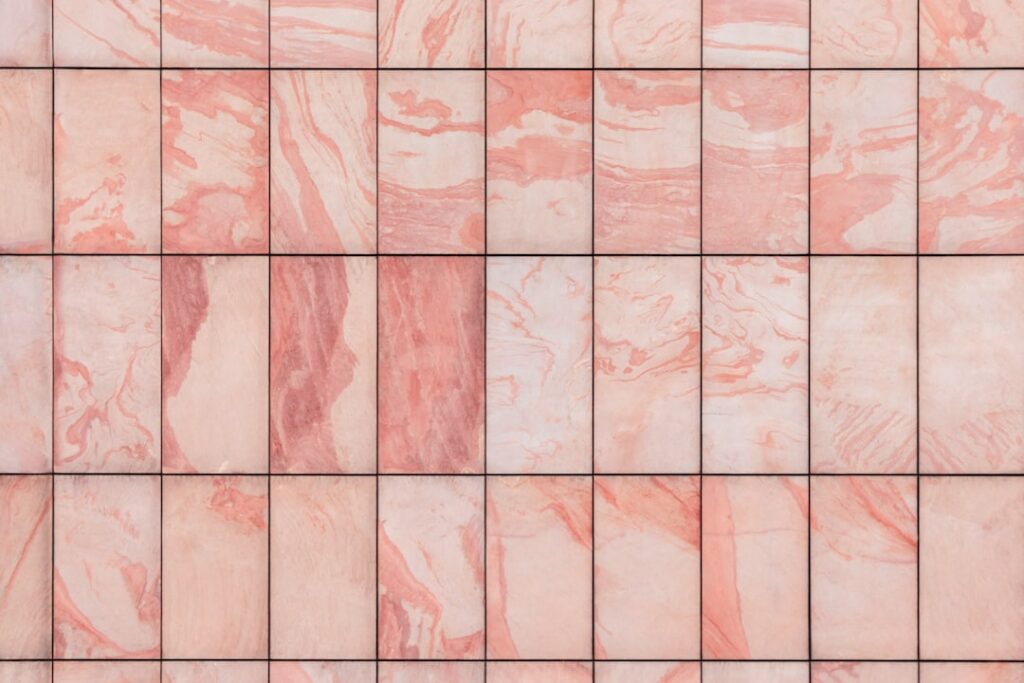
Before oversized planks and giant slabs took over showrooms, the humble square defined tiled rooms for generations, and it is quietly making a comeback. 6×6 tile is a six-inch square that hits a versatile middle ground: big enough to install efficiently, small enough to add pattern and texture, and classic enough to feel timeless. It works on floors, walls, backsplashes, and outdoors, and it comes in every material and finish imaginable. This guide covers layouts, materials, real costs, coverage math, and how to buy the right amount.
Part of our Tile & Grout guide — explore the full guide →
- Why Choose 6×6 Tile?
- Materials and Finishes
- Layout Ideas for 6×6 Tile
- Where 6×6 Tile Works Best
- What 6×6 Tile Costs
- Coverage Math: How Many Tiles You Need
- Buying and Installation Tips
- 6×6 vs. Other Common Sizes
- Common Uses and Style Pairings
- Grout Color and Joint Width
- Handling Cuts and Difficult Layouts
- Making the Most of 6×6
Why Choose 6×6 Tile?
The six-inch square earns its popularity through balance. It is large enough that a floor or wall does not become a sea of grout lines, yet small enough to navigate tight or irregular spaces without excessive cutting. The proportions feel friendly and traditional, evoking vintage kitchens, retro baths, and classic mudrooms. Because so many manufacturers produce this size, you get enormous choice in color, material, and finish, often at accessible prices. It is also forgiving for DIYers, since the modest size is easy to handle and set.
Materials and Finishes
Six-inch squares come in nearly every tile material:
- Ceramic: Affordable and available in countless glazed colors, great for walls and backsplashes.
- Porcelain: Denser and more durable, suited to floors and wet areas.
- Natural stone: Marble, slate, travertine, and granite for an upscale, textured look.
- Cement and encaustic: Patterned tiles that turn a floor into a statement.
- Quarry tile: Unglazed, slip-resistant, common in entries and commercial kitchens.
Finishes range from high-gloss for backsplashes to matte and textured for slip-resistant floors.
Layout Ideas for 6×6 Tile
The square shape is a blank canvas for pattern. Consider these arrangements:
- Straight grid: Clean, classic, and easy, with tiles aligned edge to edge.
- Diagonal: Rotated 45 degrees to make a small room feel larger and more dynamic.
- Checkerboard: Two colors alternating for a timeless, retro floor.
- Brick or offset: Rows shifted halfway for subtle movement.
- Pinwheel or accent borders: Mixing 6×6 with smaller tiles for detail.
Grout color also shapes the look: matching grout softens the grid, while contrasting grout emphasizes each square’s geometry.
Where 6×6 Tile Works Best
The size is genuinely versatile. On kitchen backsplashes, 6×6 tiles create a tidy, gridded field that feels vintage or transitional. On bathroom walls and floors, they add pattern and traction. Mudrooms and entries benefit from durable porcelain or quarry squares that hide grit. Outdoors, frost-rated 6×6 tile suits covered patios and pool surrounds. The size is especially handy in small or oddly shaped rooms where large-format tile would require too many awkward cuts.
What 6×6 Tile Costs
Prices vary widely by material:
- Basic glazed ceramic: $1.50 to $5 per square foot.
- Porcelain: $3 to $8 per square foot.
- Natural stone: $6 to $20 per square foot.
- Patterned cement or encaustic: $8 to $25 per square foot.
- Installation: $7 to $14 per square foot, higher for diagonal, checkerboard, or patterned layouts that add cuts and labor.
Patterned and diagonal layouts increase both waste and labor, so budget accordingly when the design gets intricate.
Coverage Math: How Many Tiles You Need
Calculating quantity is straightforward once you know the size. A single 6×6 tile covers exactly a quarter of a square foot, so four tiles equal one square foot. To find your count:
- Measure the area’s square footage (length times width).
- Multiply that number by 4 to get the base tile count.
- Add 10 percent for straight layouts, or 15 to 20 percent for diagonal and patterned layouts, to cover cuts, waste, and future repairs.
For example, a 40-square-foot backsplash needs about 160 tiles, plus roughly 16 to 24 extra depending on the layout. Buying overage from the same dye lot protects you against mismatched replacements later.
Buying and Installation Tips
A few habits make the project smoother. Always buy all your tile at once from the same production run so colors match. Blend tiles from several boxes as you set them, since even matched lots vary slightly. Dry-lay a section first to check your pattern and starting point, and plan cuts so the smallest slivers land in the least visible spots. For floors and wet areas, choose porcelain or a slip-rated finish and set over a proper substrate with the correct thinset. Seal natural stone and cement tile before grouting to prevent staining.
6×6 vs. Other Common Sizes
Understanding how the six-inch square compares to its neighbors helps you choose confidently. Against 4×4 tile, the 6×6 covers ground faster and shows fewer grout lines while keeping a similar friendly, gridded character. Against 12×12 and larger formats, 6×6 offers more traction from its extra grout joints and navigates small or irregular rooms with fewer awkward cuts, though it produces more grout to clean and a busier look across a big floor. Compared with rectangular subway tile, the square reads more traditional and symmetric, while subway leans casual and linear. In short, 6×6 sits in a practical middle: large enough to be efficient, small enough to be flexible, and neutral enough to suit almost any style.
Common Uses and Style Pairings
The six-inch square adapts to many looks depending on material and setting:
- Vintage kitchens: Glossy ceramic 6×6 in a straight grid or checkerboard evokes mid-century charm.
- Farmhouse mudrooms: Durable porcelain or quarry squares that hide grit and take abuse.
- Mediterranean baths: Patterned cement 6×6 tiles for a hand-crafted, colorful floor.
- Modern spaces: Matte stone-look squares set tight with matching grout for a clean, understated field.
- Classic entryways: Diagonal 6×6 to make a compact foyer feel wider.
Because the size is so widely produced, you can usually find a 6×6 option in whatever material, color, and finish your design calls for, often at a friendlier price than trend-driven formats.
Grout Color and Joint Width
With a gridded tile like the six-inch square, the grout is a design decision, not a detail. A grout that matches the tile softens the grid and lets a floor or wall read as a continuous surface, which suits modern and minimal schemes. A contrasting grout, dark grout with light tile, celebrates the geometry and gives a graphic, retro feel that plays up the square shape. Joint width matters too: a tight 1/16- to 1/8-inch joint looks crisp and contemporary, while a wider joint reads more traditional and hides slight size variation in handmade or budget tile. For floors and busy areas, a mid-tone grout is the practical pick because it hides the grit that inevitably collects, keeping the floor looking clean between deep cleanings.
Handling Cuts and Difficult Layouts
Even a simple square needs a plan for the edges and obstacles:
- Balance the border tiles: Center your layout so cut tiles at opposite walls are similar in size, not a full tile on one side and a sliver on the other.
- Hide small cuts: Place the narrowest pieces in less visible spots, like under cabinets or behind a door swing.
- Score and snap or wet-saw: A snap cutter handles straight cuts on ceramic; a wet saw gives clean edges on porcelain and stone.
- Notch around fixtures carefully: Mark and cut around toilets, pipes, and outlets before setting.
Thoughtful cut planning is what separates a tidy, professional 6×6 installation from one that looks improvised.
Making the Most of 6×6
The six-inch square is a quiet classic that never really goes out of style. Its balanced proportions make it easy to install, easy to pattern, and at home on floors, walls, backsplashes, and patios alike. Decide on your material and finish for the wear you expect, pick a layout and grout color that match the mood, and use the simple four-tiles-per-square-foot math plus overage to buy the right amount. Handled thoughtfully, 6×6 tile gives you a timeless, versatile surface with the charm and flexibility that oversized formats simply cannot offer.
Prefer to explore on your own?
See how new flooring looks in your actual room in seconds — free, no signup.
Try the free Floor Studio →

