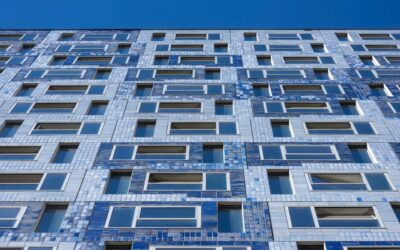
In an era of giant slab tiles, the humble six-inch square is having a quiet comeback, and for good reason. 6×6 porcelain tile offers a classic, versatile format that suits everything from retro bathroom floors to modern geometric backsplashes, all in a tough, low-maintenance material that outlasts nearly anything else you can put on a wall or floor. Its smaller scale brings back the charm of traditional tilework while porcelain gives it strength that vintage ceramic never had. This guide covers where 6×6 porcelain tile works, what it costs, and how to get the layout right.
Part of our Tile & Grout guide — explore the full guide →
Why Porcelain Over Ceramic
Both porcelain and ceramic are fired clay, but porcelain is made from denser clay fired at higher temperatures, which makes it significantly harder, less porous, and more durable. Porcelain absorbs less than 0.5 percent water, so it resists staining and is safe in wet areas and even outdoors in freeze-thaw climates where ceramic can crack. For a 6×6 tile that might go on a heavily used floor, a shower, or an exterior patio, porcelain’s toughness is well worth the modest price premium over standard ceramic.
Porcelain also comes through-body in many lines, meaning the color runs through the entire tile rather than sitting only on a glazed surface. That means a chip on a floor tile is far less noticeable, a real advantage in high-traffic spots.
Where 6×6 Porcelain Tile Works Best
The six-inch square is one of the most flexible formats in tile, at home in a surprising number of applications.
- Bathroom floors: The smaller size means more grout lines, which adds slip resistance underfoot, ideal for wet bathroom floors.
- Shower floors and walls: Extra grout joints improve grip and let the tile conform to a sloped shower pan.
- Backsplashes: A grid of 6×6 tiles creates a clean, classic kitchen or bathroom backsplash.
- Entryways and mudrooms: Durable and easy to replace one tile if damaged.
- Outdoor patios: Freeze-thaw-rated porcelain handles exterior use where ceramic would fail.
The format especially suits smaller rooms. In a compact powder room or a modest shower, large-format tile means awkward cuts, while 6×6 squares lay out cleanly with minimal waste and a nicely proportioned scale.
Layout Patterns for 6×6 Tile
The square shape opens up layout options that rectangular tile cannot match. The pattern you choose changes the whole personality of the installation.
Straight Grid
Setting tiles in a simple aligned grid is clean, modern, and easy to install. The consistent lines suit contemporary and minimalist spaces and make the most of the square proportions.
Diagonal
Rotating the grid 45 degrees creates a diamond pattern that adds energy and can make a small room feel larger by drawing the eye across the diagonal. It requires more cuts at the edges but delivers a more dynamic look.
Checkerboard
Alternating two colors, classically black and white, in a 6×6 checkerboard is a timeless retro look that suits vintage kitchens, entryways, and traditional baths. The six-inch scale is perfect for a checkerboard that reads as classic rather than busy.
Cost of 6×6 Porcelain Tile
Porcelain tile in this size is budget-friendly, and the small format keeps material waste low. Here is what to expect.
- Basic porcelain 6×6 tile: $2 to $5 per square foot.
- Mid-range and colored options: $5 to $10 per square foot.
- Premium and specialty finishes: $10 to $18 per square foot.
- Installation labor: $7 to $14 per square foot, slightly higher than large tile because more pieces and grout lines mean more setting time.
The one cost tradeoff is labor. Because you are setting many small tiles and grouting far more joints, installation takes longer per square foot than with big-format tile. Budget accordingly if hiring out the work.
Installation and Grout Considerations
Small tiles are forgiving of minor subfloor imperfections since each tile bridges only a short span, but the abundance of grout lines makes grout choice and spacing important. Use consistent spacers, typically 1/16 to 1/8 inch, for a tidy grid. Pick a grout color deliberately: matching grout gives a seamless field, while contrasting grout emphasizes the grid pattern, which is exactly the point in a checkerboard layout.
Because there is more grout on a 6×6 installation, sealing it well matters. Seal the grout after it cures and reseal periodically, especially on floors and in showers, to keep it from staining and harboring mildew. Epoxy grout is worth considering for showers, as it never needs sealing and resists mold.
Design Styles That Suit 6×6
The six-inch square reads as traditional and timeless, which makes it a natural fit for farmhouse, cottage, craftsman, and vintage-inspired interiors. In solid colors set in a straight grid, though, it also works in clean modern spaces. Colored and hand-glazed 6×6 tiles bring an artisanal, old-world charm, while crisp white or gray squares keep things contemporary. Its versatility across styles is a big part of why the format never truly goes out of fashion.
How Much to Buy and Planning for Waste
Ordering the right quantity of 6×6 tile prevents both mid-project shortages and wasted money. Start by measuring the room’s square footage, then add a waste factor on top. For a straight grid layout, add about 10 percent for cuts and breakage. For diagonal or checkerboard patterns, bump that to 15 percent, since angled cuts around the edges generate more offcuts. Order all of your tile in a single batch and check that every box carries the same dye lot or shade number, because tile color can shift subtly between production runs and a mismatched box will stand out on a finished floor.
It is also smart to keep a few extra tiles after the job is done. Tuck a box away in the garage or basement so you have exact-match replacements if a tile ever cracks from a dropped cast-iron pan or years of wear. Finding a matching 6×6 tile years later can be impossible if the line is discontinued, and a single mismatched replacement in the middle of a floor is far more noticeable than homeowners expect. That small stash of leftovers is cheap insurance for the life of the floor.
Final Recommendation
6×6 porcelain tile is a durable, affordable, and endlessly versatile choice that suits bathroom floors, showers, backsplashes, and even patios. Porcelain’s density gives it the toughness and water resistance the small format needs in wet areas, and the square shape unlocks straight-grid, diagonal, and checkerboard layouts to match your style. Plan for slightly higher labor from the extra grout lines, seal the grout well, and you get a classic, hard-wearing surface that looks right in almost any home.
Prefer to explore on your own?
See how new flooring looks in your actual room in seconds — free, no signup.
Try the free Floor Studio →