Real acacia hardwood is prized for its dramatic color swings, from pale blonde to deep chocolate within a single board, but it’s pricey, moves with humidity, and can dent under the wrong furniture. Acacia vinyl plank flooring captures that same wild, high-contrast grain in a waterproof, budget-friendly plank that installs in a weekend and shrugs off spills, pets, and kids. The look is bold and unmistakable, which makes it a favorite for homeowners who want a floor with real personality. This guide covers exactly what you get, where it falls short, what it costs, and how to buy a plank that reads as authentic acacia rather than a flat print.
- What Makes Acacia Such a Distinctive Look
- Pros of Acacia Vinyl Plank Flooring
- Cons to Weigh Before You Buy
- What Acacia Vinyl Plank Costs
- How to Buy Acacia Vinyl the Right Way
- Design Tips: Making Acacia Work
- How Acacia Vinyl Compares to Real Acacia and Other Woods
- Installation and Care
- The Bottom Line
What Makes Acacia Such a Distinctive Look
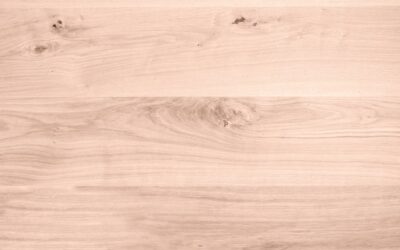
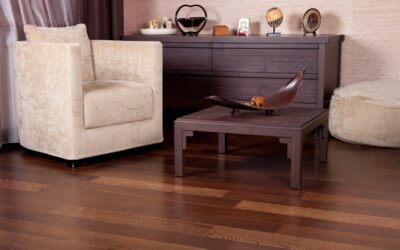
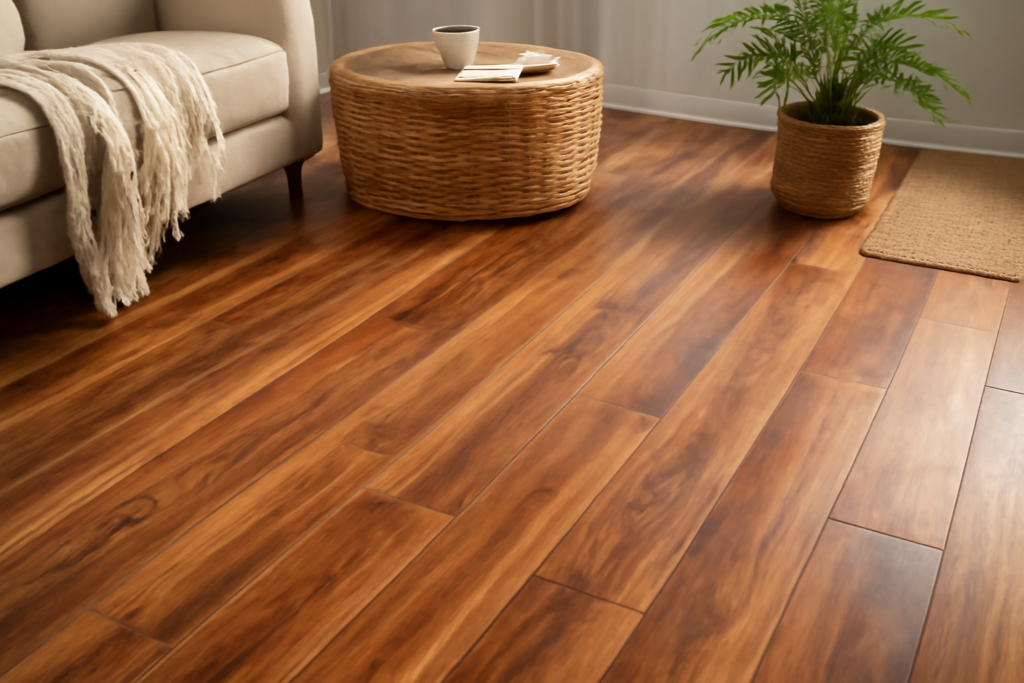
Acacia’s signature is variation. Genuine acacia wood mixes creamy sapwood streaks against reddish-brown and near-black heartwood, with tight swirling grain and occasional knots. No two boards look alike. Quality vinyl versions reproduce this with high-definition printing and multiple unique plank faces, so a finished floor carries the same restless, hand-scraped character that gives acacia its exotic reputation.
Because the color is printed into the plank, acacia vinyl won’t fade or shift tone under sunlight the way real acacia can. The dramatic contrast you see in the showroom is the contrast you’ll have in ten years. Most collections come in a hand-scraped or wire-brushed texture that plays up the grain and hides everyday scuffs.
Pros of Acacia Vinyl Plank Flooring
- Waterproof: SPC and WPC cores are 100 percent waterproof, so acacia’s exotic look works in kitchens, baths, and basements where the real wood would warp.
- Dramatic color at a low price: you get the high-contrast acacia aesthetic for a fraction of hardwood cost.
- Durable wear layer: a 12- to 22-mil wear layer resists scratches, dents, and pet nails far better than solid acacia’s finish.
- Dimensionally stable: no cupping, gapping, or seasonal movement.
- DIY installation: click-lock planks float over most subfloors with no glue or nails.
- Low maintenance: sweep and damp-mop; no refinishing, sanding, or resealing.
- Comfort and quiet: attached cork or foam pads soften the step and cut noise.
Cons to Weigh Before You Buy
- It’s not real wood: you can’t refinish or sand it, and it won’t add the resale cachet of genuine hardwood.
- Bold pattern isn’t for everyone: acacia’s high contrast can overwhelm small rooms or clash with busy decor.
- Cheap versions look fake: low-resolution prints and short repeat cycles make the fake knots obvious.
- Denting on thin cores: budget planks under 4 mm can telegraph subfloor bumps and dent under heavy point loads.
- Fading rare but possible: very cheap products in direct, intense sun can fade over many years without a UV-stable wear layer.
What Acacia Vinyl Plank Costs
Pricing follows core quality and wear-layer thickness. Expect these ranges in 2025:
- Budget glue-down or thin click LVP: $1.50 to $2.50 per sq ft.
- Mid-range SPC click-lock (5–6 mm, 12–20 mil): $3.00 to $4.75 per sq ft. The best value for most homes.
- Premium WPC or thick SPC with attached pad: $4.75 to $7.50 per sq ft.
Professional installation adds $1.50 to $4.00 per sq ft. A 300 sq ft living room runs roughly $900 to $1,425 in mid-range materials, or about $1,800 to $2,700 installed. Real acacia hardwood, by comparison, often lands at $6 to $12 per sq ft for materials alone, which is the core reason shoppers choose vinyl.
How to Buy Acacia Vinyl the Right Way
The gap between a convincing acacia floor and an obviously fake one comes down to a few specs. Check these on any sample.
Wear Layer
Go 12 mil for bedrooms and 20 mil or more for kitchens, entries, and pet households. Thicker wear layers hold acacia’s texture and resist the scuffs that would otherwise flatten the look.
Print Quality and Plank Variety
Acacia lives or dies on variation. Look for at least 12 to 16 unique plank faces so the distinctive knots and color streaks don’t repeat obviously across the room. High-definition printing with embossed-in-register texture, where the grooves line up with the printed grain, is what sells the illusion.
Core Type
SPC is rigid and hides minor subfloor flaws; choose it for slabs, sunrooms, and wide temperature swings. WPC is warmer and softer underfoot for living areas. Both are waterproof.
Plank Dimensions
Wider planks (7 to 9 inches) and longer lengths (48 to 60 inches) showcase acacia’s sweeping grain and reduce seams. Narrow strips fight the material’s bold character.
Design Tips: Making Acacia Work
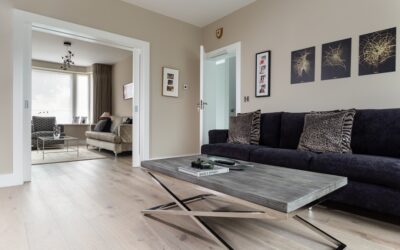
Because acacia is visually busy, keep the rest of the room calm. Pair it with solid-color walls in warm whites, greiges, or soft grays, and simple furniture that lets the floor be the star. It anchors rustic, transitional, and modern-farmhouse spaces beautifully. In smaller rooms, choose a lower-contrast acacia (medium browns without the near-black streaks) so the pattern doesn’t shrink the space. Consistent large-format rugs in solid tones give the eye a place to rest.
How Acacia Vinyl Compares to Real Acacia and Other Woods
Genuine acacia hardwood is genuinely hard, ranking around 1,700 on the Janka scale, which is tougher than red oak. But it moves with humidity, needs periodic refinishing, and costs $6 to $12 per sq ft before installation. Acacia vinyl skips those headaches. It won’t expand and contract with the seasons, never needs sanding, and stays waterproof through spills that would stain and cup solid acacia. The trade-off is that you can’t refinish it, and a discerning eye up close will spot the print.
Against other wood-look vinyls, acacia is the boldest choice on the shelf. Oak vinyl is safe and neutral; hickory is busy but earthier; acacia is the one with true drama, blonde-to-near-black swings that no other common species offers. If you want a floor that makes a statement and pairs with rustic or eclectic decor, acacia stands out. If you want something that quietly recedes into the background, a calmer oak will serve you better. Knowing which effect you’re after saves you from second-guessing a bold floor after it’s installed.
Installation and Care
- Acclimate 48 hours in the room at 65 to 85 degrees F.
- Flatten the subfloor to within 3/16 inch over 10 feet; level any dips before floating SPC.
- Leave a 1/4- to 3/8-inch expansion gap at every wall.
- Mix planks from several boxes so the strong color variation distributes evenly and knots don’t cluster.
- Use a tapping block and pull bar to lock seams tight.
Maintenance is minimal: sweep for grit, damp-mop with a pH-neutral vinyl cleaner, add felt pads under furniture, and place a mat at entries. Avoid steam mops, wax, and abrasive pads. Door mats at exterior entrances trap the grit that does the most damage over time, and a plywood pad under rolling chairs or heavy appliances prevents point-load dents on thinner cores. Done right, a quality floor holds its look for 15 to 20 years, and most premium collections back that up with a lifetime residential warranty against wear and fading.
The Bottom Line
Acacia vinyl plank flooring delivers the exotic, high-contrast character of real acacia wood, waterproof and dent-resistant, for roughly half the cost. The trade-off is authenticity and refinishing ability, and the bold grain isn’t for every room. Buy a mid-range SPC plank with a 20-mil wear layer, embossed texture, and plenty of plank variety, keep the surrounding decor simple, and you’ll get a striking, low-maintenance floor that turns heads for two decades.
Prefer to explore on your own?
See how new flooring looks in your actual room in seconds — free, no signup.
Try the free Floor Studio →