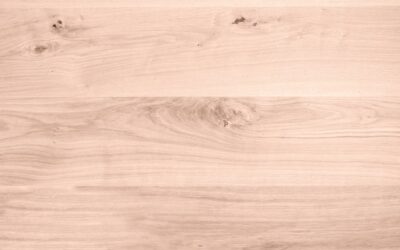
Walk into a showroom and the marble gets the spotlight, but the surface I get asked about most for kitchen islands and breakfast bars is wood. An acacia countertop brings a depth of grain and color you simply cannot fake with laminate or quartz. Acacia is a dense tropical hardwood, harder than oak on the Janka scale, and it ages into a surface that looks better at year five than it did on day one. If you have been weighing butcher block options, this guide walks through what acacia actually delivers, where it struggles, and how to keep it looking sharp.
Part of our Countertops guide — explore the full guide →
What Acacia Wood Brings to a Countertop
Acacia is prized for its wild, swirling grain and dramatic color range. A single slab can run from pale honey to deep chocolate, often within the same board. That variation is the whole point. Unlike maple butcher block, which reads uniform and clean, acacia has personality. Homeowners who want a counter that looks like a furniture piece gravitate toward it.
Hardness is the other selling point. Acacia rates roughly 1,700 on the Janka hardness scale, well above red oak at 1,290 and hard maple at 1,450. That density means it resists dents and dings better than most domestic hardwoods. For a high-traffic island where stools scrape and bags get dropped, that toughness matters.
Types of Acacia Countertop Construction
Not all acacia tops are built the same way, and the construction style affects both look and price.
- Edge grain: Long strips laid side by side. Shows the most consistent grain and is the most common choice for kitchen counters.
- End grain: Small blocks stood on end, the classic checkerboard butcher block look. More forgiving on knives and self-healing, but pricier and thicker.
- Face grain: Wider planks showing the full figure of the wood. The most dramatic look, but the least durable for cutting directly on.
For most homeowners, an edge-grain slab strikes the right balance of beauty, cost, and durability. End grain is worth the upgrade only if you genuinely cut on the surface daily.
Acacia Countertop Cost
Wood counters land in the mid range of the countertop market. Expect to pay roughly $40 to $100 per square foot for an acacia countertop, installed, depending on thickness, edge profile, and whether it is a stock slab or custom fabricated. Pre-cut tops sold at home centers for islands and vanities run cheaper, sometimes $200 to $500 for a standard 4-to-6-foot section. Custom shapes with cutouts for a farmhouse sink push the price up quickly.
Compared to granite or quartz, which typically run $50 to $120 per square foot installed, acacia is competitive. The hidden cost is maintenance time, not money. Budget a weekend a year for re-oiling if you go with a penetrating finish.
Finishing Your Acacia Countertop
The finish you choose decides how the counter performs. There are two broad camps.
Penetrating Oil Finishes
Food-safe mineral oil, or a mineral oil and beeswax blend, soaks into the wood and leaves a matte, natural feel. This is the go-to for surfaces you cut on. Oil finishes are easy to repair. A scratch or dull patch just gets sanded lightly and re-oiled. The downside is upkeep. You will re-apply oil monthly at first, then every few months once the wood is saturated.
Film Finishes
A hardwax oil, polyurethane, or marine-grade varnish sits on top of the wood and forms a protective skin. These resist water and stains far better and need far less frequent attention. The trade-off is that you should not cut directly on a film-finished surface, and when it does wear through, the repair means sanding the whole section back down.
Sealing and Water Resistance
Wood and water are natural enemies, and a kitchen is full of water. Around the sink and any spot where standing moisture collects, seal aggressively. Re-oil those zones more often than the rest of the top. Wipe up spills promptly rather than letting them sit. A well-maintained acacia counter handles daily kitchen use fine, but a neglected one near a sink will gray, swell, and eventually crack at the joints. If your kitchen is hard on counters, consider a hardwax oil finish for the extra moisture buffer.
Day-to-Day Care and Maintenance
Keeping acacia looking good is straightforward once you build the habit.
- Wipe with a damp cloth and mild dish soap. Skip harsh chemicals and ammonia, which strip oil and dry out the wood.
- Never let water pool. Dry the surface after washing.
- Use trivets for hot pots. Wood scorches, and a film finish can blister near 300°F.
- Re-oil when the surface looks dull or water stops beading. That is the wood telling you it is thirsty.
- Sand out deep scratches with fine-grit paper, working with the grain, then re-finish the spot.
For disinfecting, a diluted white vinegar wipe handles routine cleanup without harming an oil finish. Avoid soaking and follow with a dry cloth.
Where Acacia Works Best in a Kitchen
Acacia shines as an accent rather than wall-to-wall. A wood island paired with stone perimeter counters gives you the warmth of timber where you want it and the bulletproof surface near the cooktop and sink where you need it. It also makes a striking breakfast bar, a bar top, or a vanity in a powder room. Pairing it with white cabinets, matte black hardware, or a soapstone perimeter is a combination I see work again and again.
Is an Acacia Countertop Right for You?
Choose acacia if you love the look of real wood, you do not mind a modest maintenance routine, and you want a surface with character that ages gracefully. Skip it if you want a zero-effort countertop or you run an unforgiving kitchen with constant standing water. For the right homeowner, an acacia countertop delivers warmth and durability that engineered surfaces just cannot match, and it rewards a little care with decades of service.