
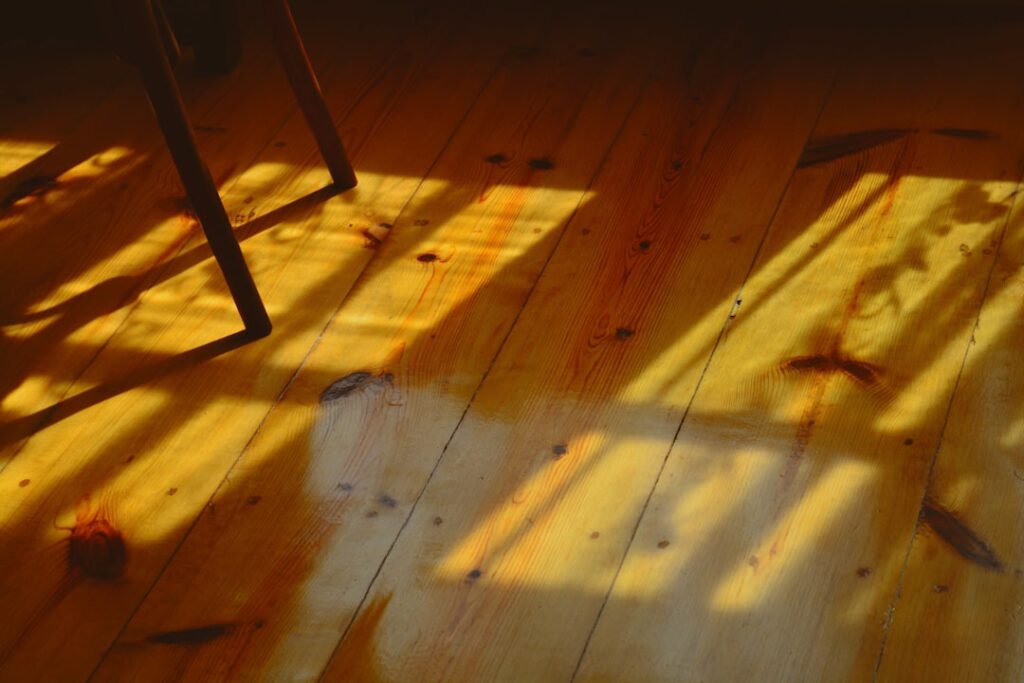
Walk through any flooring showroom and acacia stands out — those bold dark streaks against honey background are unmistakable. But shoppers constantly ask the same question before pulling the trigger: is acacia a hardwood, or is it some hybrid that looks the part but fails after a few winters? The short answer is yes, acacia is a true hardwood, and it is harder than red oak by a significant margin. This guide unpacks the botany, the Janka rating, the variations between acacia species, and what that means for your floor, furniture, or cutting board.
- The Botanical Definition Behind "Hardwood"
- How Hard Is Acacia Really?
- Acacia Species You Will Encounter
- Acacia Flooring: Pros and Cons
- Solid vs. Engineered Acacia
- Acacia in Furniture and Other Uses
- Sustainability and Sourcing
- Care and Maintenance
- Is Acacia Right for Your Project?
- Frequently Asked Questions
The Botanical Definition Behind “Hardwood”
Hardwood and softwood have nothing to do with actual hardness. They describe how the tree reproduces. Hardwoods are angiosperms (flowering trees that produce seeds in fruits or pods), while softwoods are gymnosperms (cone-bearing trees like pine and fir).
Acacia is a leguminous flowering tree in the genus Acacia, with over 1,300 recognized species worldwide. Botanically, that makes acacia 100% a hardwood by every accepted definition.
How Hard Is Acacia Really?
The Janka hardness scale measures the force needed to embed an 11.28mm steel ball halfway into a wood sample. Higher numbers mean harder wood that resists dents.
- Pine (Eastern white): 380 lbf — soft, dents easily
- Red oak: 1,290 lbf — the US benchmark
- White oak: 1,360 lbf
- Hard maple: 1,450 lbf
- Acacia (most species): 1,700-2,300 lbf
- Hickory: 1,820 lbf
- Brazilian walnut (ipe): 3,680 lbf
The most commonly imported species — Acacia confusa and Acacia mangium — measure between 1,750 and 2,300 lbf. That puts acacia firmly in the upper third of commercially available hardwoods, harder than oak, maple, and walnut.
Acacia Species You Will Encounter
Acacia Mangium
The most common acacia in mass-market flooring. Grown on plantations in Vietnam, Indonesia, and Malaysia. Janka around 1,750 lbf, golden-brown color with subtle dark streaking. Generally the most affordable acacia option.
Acacia Confusa
Often labeled “Asian walnut” in flooring catalogs. Janka 2,220 lbf with rich chocolate and amber tones. Premium grade for furniture and engineered flooring.
Acacia Koa
Hawaiian-grown, famous in luxury furniture and ukuleles. Janka around 1,170 lbf — surprisingly the softest commercial acacia. Pricing is luxury-tier ($30+ per board foot) and it is rarely used in everyday flooring.
Australian Blackwood (Acacia melanoxylon)
Janka 1,160 lbf. Used primarily in fine furniture, instruments, and decorative veneer. Striking grain with deep brown to black streaks.
Acacia Flooring: Pros and Cons
The hardness translates directly to floor durability. Acacia handles high-traffic households, including kids, pets, and dropped frying pans, far better than oak or maple.
Pros
- Excellent dent and scratch resistance from the high Janka rating
- Striking visual character with bold dark streaks against honey background
- Naturally resistant to fungi and insects, especially Acacia mangium
- Sustainable plantation sourcing keeps pricing 30%-50% below comparable exotics
- Each plank shows unique grain — no two boards look alike
Cons
- Wide color variation can read as “busy” in large rooms — order a full-box sample
- Sensitive to humidity swings; engineered acacia performs better than solid in dry-winter climates
- Hardness makes site refinishing slower and more abrasive-intensive
- Some interior designers consider the look dated by the late 2020s — check current trends
Solid vs. Engineered Acacia
Solid acacia comes in 3/4-inch planks that nail down over plywood subfloor. Best in stable, ground-level installations. Expect $5 to $9 per square foot for materials.
Engineered acacia uses a 1mm-6mm acacia veneer over a multi-ply hardwood core. It tolerates radiant heat, basements, and humidity swings far better than solid. Pricing runs $4 to $11 per square foot depending on veneer thickness. For most homes, engineered is the smarter buy.
Acacia in Furniture and Other Uses
Beyond flooring, acacia appears in cutting boards, butcher blocks, dining tables, and outdoor furniture. The natural oil content in mature acacia repels moisture without sealing — a major reason it dominates the cutting-board market.
For outdoor furniture, acacia rivals teak in weather resistance at 40% to 60% lower cost. It will silver to a soft gray within 12 months unless oiled annually with a UV-protective product like Star Brite Premium Teak Oil.
Sustainability and Sourcing
Most commercial acacia comes from managed plantations rather than old-growth forests, which gives it a strong sustainability story. Look for FSC (Forest Stewardship Council) certification on the product packaging.
Acacia mangium grows to harvest size in 7 to 10 years versus 50+ for many hardwoods, so it regenerates much faster. The plantations also fix nitrogen and improve soil quality, which is unusual among timber species.
Care and Maintenance
Acacia floors need the same care as any hardwood. Sweep or vacuum (hard-floor setting) regularly. Damp-mop with a hardwood-specific cleaner like Bona Pro Hardwood Cleaner — never wet-mop. Felt pads under furniture, walk-off mats at every entry, and immediate spill cleanup will keep the finish looking fresh for 8 to 15 years.
Refinish every 10 to 20 years for solid; engineered with thinner veneers may only support one refinish or none. The high hardness means you will need 36-grit to start the cut, then progress to 60, 80, 100, and 120 before staining or finishing.
Is Acacia Right for Your Project?
Choose acacia if you want a hardwood that looks distinctive, wears like iron, and stays in a reasonable price range. Skip it if your design preference leans clean, monochromatic, or Scandinavian — the bold variation fights with minimalist palettes. Know that acacia is a hardwood by every measurable standard, and a tougher one than the species most American homes have on their floors today.
Frequently Asked Questions
Is acacia harder than oak?
Yes. Common acacia species rate 1,700-2,300 lbf on the Janka scale versus 1,290 lbf for red oak. That makes acacia roughly 30% to 75% harder.
Does acacia wood scratch easily?
No. Acacia resists scratches and dents better than most popular hardwoods. Surface scratches in finish are still possible but the wood beneath holds up exceptionally well.
Can acacia flooring go in a kitchen?
Yes, with engineered acacia and prompt spill cleanup. Solid acacia can cup if standing water sits more than a few minutes, so kitchens benefit from the dimensional stability of engineered planks.
Why does acacia have such varied coloring?
The dark streaks are heartwood and mineral content; the lighter areas are sapwood. Variability is natural and is one of the main reasons acacia stands out from oak or maple.
How long does an acacia floor last?
Properly installed and maintained, 50 to 100 years for solid acacia and 25 to 50 for engineered, depending on veneer thickness and refinishing.
Prefer to explore on your own?
See how new flooring looks in your actual room in seconds — free, no signup.
Try the free Floor Studio →

