Walk down the patio aisle at Costco and almost every cutting board, serving tray, and outdoor table is labeled acacia, with marketing copy hinting that it shrugs off water like a teak deck. The reality sits somewhere in between. So is acacia wood waterproof? No wood is truly waterproof, but acacia is impressively water-resistant thanks to its dense grain and natural oil content. With the right sealer and a little routine care, an acacia cutting board, dining set, or shower bench will hold up for a decade or more. Skip the maintenance and the same piece can crack, warp, or grow surface mold inside a single season. Here is exactly what acacia handles, what it does not, and how to seal it correctly.
Part of our Roofing guide — explore the full guide →
Acacia’s Natural Water Resistance Rating
Acacia, particularly Acacia mangium and Acacia auriculiformis sourced from Vietnam and Indonesia, has a Janka hardness around 1,750 lbf and a density of roughly 50 lb per cubic foot. That puts it in the same general durability class as hickory and slightly above teak’s 1,070 lbf rating. The wood contains natural tannins and oils that repel water at the surface, so droplets bead up rather than soaking in immediately.
That said, the USDA Forest Products Laboratory rates acacia as moderately durable, not highly durable. Direct contact with standing water for hours or repeated wet-dry cycles will eventually swell the fibers, lift the grain, and create surface checks. It is far better than oak or pine outdoors, but it is not ipe or teak.
What Acacia Handles Well
For most household uses, acacia performs above expectations. A sealed acacia cutting board can be rinsed under running water dozens of times a week without warping, provided you towel it dry and stand it on edge to release any trapped moisture. Outdoor furniture under a covered patio or pergola routinely lasts 10 to 15 years with annual reoiling. Acacia bath mats and shower trays, which sit on tile and dry between uses, perform well because the wood gets airflow on both sides.
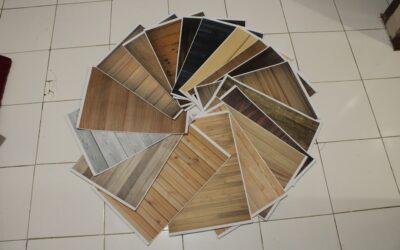
The acacia hardwood flooring sold by Lumber Liquidators, Floor and Decor, and Home Legend handles spills, pet bowls, and humid kitchens reliably as long as the planks are sealed with a polyurethane topcoat. Pre-finished acacia flooring is rated for kitchens and even half-baths, just not for full bathrooms or basements.
What Acacia Does Not Handle
Three scenarios consistently destroy acacia faster than owners expect.
- Dishwashers: Even a single cycle warps and cracks acacia cutting boards. The combination of 140 degree F water and detergent strips the natural oils
- Standing water: Leaving a wet sponge on an acacia counter overnight will create a dark stain ring and lift the grain in 8 hours
- Full outdoor exposure: Uncovered patio furniture in a rainy climate like Seattle or Portland will gray, crack, and require refinishing every spring
Owners who treat acacia like teak, leaving it bare in full weather year-round, are the ones who write angry reviews after season two. Treat it like a hardworking interior wood that needs a sealer outdoors, and it lasts.
The Best Sealers for Different Uses
Match the finish to the use case. The wrong sealer is worse than no sealer because it can lock moisture against the wood and create cupping.
For Cutting Boards and Food Surfaces
Use food-safe mineral oil or a beeswax-mineral oil blend like Howard Cutting Board Oil or John Boos Mystery Oil. Apply a generous coat, let it soak for 30 minutes, wipe off the excess, and repeat every three to four weeks for the first year, then quarterly after that. Never use vegetable or olive oil, which goes rancid inside the grain and leaves a sour smell.
For Outdoor Furniture
Apply Penofin Brazilian Rosewood Oil, Cabot Australian Timber Oil, or Watco Teak Oil. These are penetrating finishes that feed the wood without forming a film that will eventually peel. Plan on one coat in spring and a second light coat in late summer. Expect to spend $35 on a quart that covers a six-piece dining set.
For Interior Tabletops and Shelves
A wipe-on polyurethane like Minwax Wipe-On Poly or General Finishes Arm-R-Seal gives a hard durable film. Apply three to four thin coats, sanding lightly with 320-grit between coats. This is the only finish that truly stops water from reaching the wood, but it is too hard for outdoor use because it cracks under thermal cycling.
How to Re-Seal Aging Acacia
Acacia that has gone gray, dry, or fuzzy on the surface can almost always be brought back. Sand the surface with 120-grit, then 220-grit, wiping down dust between passes. Wet the wood with a damp cloth to raise the grain, let it dry, then knock the raised fibers down with one final 320-grit pass. Apply the appropriate finish for the use case in three thin coats rather than one thick one.
If the wood has cracked, fill checks with TotalBoat Thickened Epoxy tinted with a little sawdust before sanding. Acacia’s natural color variation hides epoxy repairs better than most species.
Cutting Board Care Routine
The number-one question owners ask is how to wash an acacia cutting board without ruining it. The right routine is simple.
- Hand wash with mild dish soap and warm water immediately after use
- Rinse under running water for no more than 10 seconds
- Towel dry both sides immediately
- Stand the board on edge to air dry the remaining moisture
- Oil the board monthly with mineral oil or a board cream
For odors from garlic, fish, or onion, scrub with kosher salt and a halved lemon, rinse, dry, and re-oil. This restores both the wood and the antimicrobial surface.
Acacia vs Teak vs Bamboo for Water Resistance
Side by side, teak wins for true outdoor water resistance, acacia comes in second, and bamboo trails because its fibers absorb water along the cut ends. Acacia costs about a third of teak, which is why it dominates the mid-price patio and kitchenware market. For covered outdoor use or kitchen items, acacia is the smart value pick. For docks, full-weather decking, or boat trim, spend up for teak or ipe.
So is acacia wood waterproof in the strictest sense? No. But sealed properly and maintained with a few minutes of oil every month or two, it handles water as well as any reasonably priced hardwood you can put in a kitchen or on a porch.