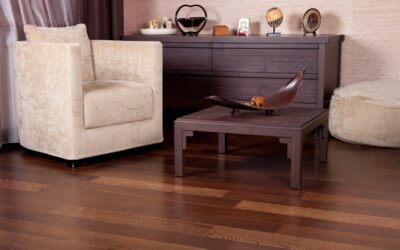
Acacia wood flooring has carved out a loyal following among homeowners who want something more distinctive than the standard oak or maple floor. Known for its dramatic color variation, bold grain patterns, and impressive hardness, acacia brings an exotic, natural energy to any room. It is one of the most visually striking hardwoods available at a surprisingly accessible price point.
This guide covers everything you need to know about acacia wood flooring — its characteristics, strengths, limitations, costs, and how it compares to more common hardwood flooring species.
- What Is Acacia Wood?
- Appearance and Character
- Durability and Hardness
- Pros of Acacia Wood Flooring
- Cons of Acacia Wood Flooring
- Solid vs. Engineered Acacia
- Cost of Acacia Wood Flooring
- Finishes for Acacia Flooring
- Where to Use Acacia Flooring
- Maintaining Acacia Wood Floors
- Acacia vs. Oak Flooring
- Final Thoughts
What Is Acacia Wood?
Acacia is a genus of over 1,000 tree species found across tropical and subtropical regions, primarily in Australia, Africa, Southeast Asia, and the Americas. The species most commonly used for flooring is Acacia confusa or Acacia mangium, sourced from sustainably managed plantations in Southeast Asia.
Acacia is also known by several other names depending on the region and species, including Asian walnut, golden acacia, and small-leaf acacia. The “Asian walnut” label is a marketing name — acacia is not actually related to true walnut, though it shares some visual similarities in color and grain character.
Appearance and Character
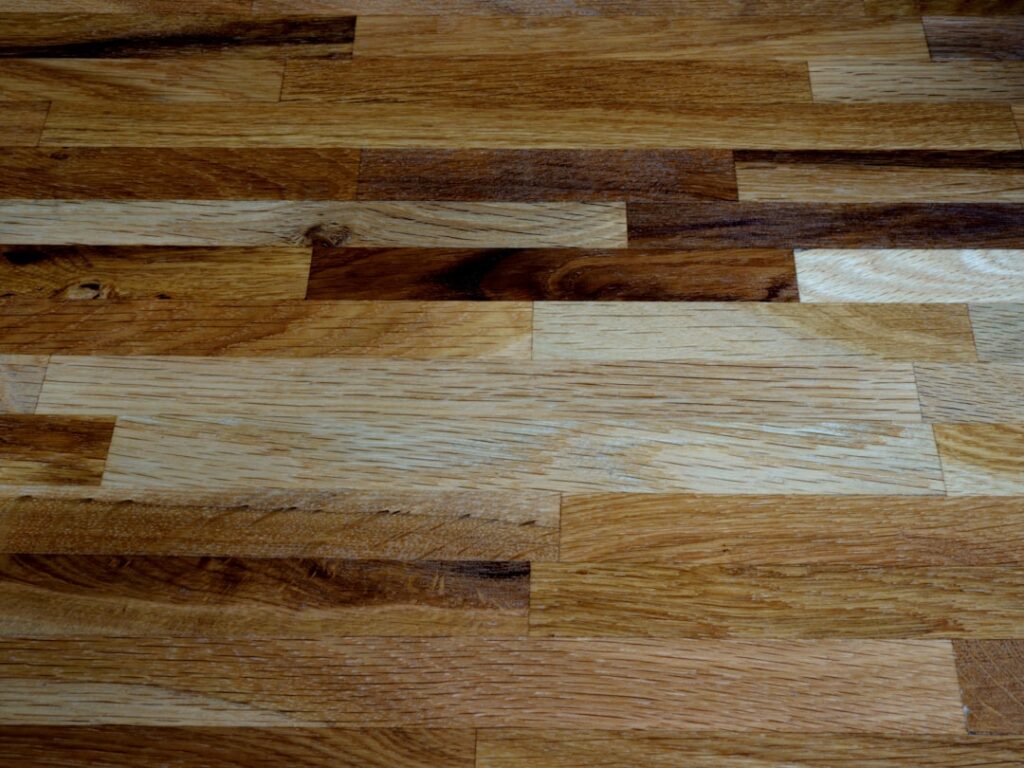
Acacia’s most distinctive feature is its dramatic color variation. A single floor can include planks ranging from pale golden tan to deep chocolate brown, with reddish and amber tones in between. This natural contrast creates a vibrant, eye-catching floor that becomes the focal point of any room.
Grain Pattern
The grain ranges from straight to highly irregular and wavy, often with swirls, knots, and mineral streaks that add character. No two planks look alike, which gives acacia floors an organic, handcrafted quality that manufactured products cannot replicate.
Natural Variation
Acacia has more plank-to-plank variation than almost any other flooring species. If you prefer a uniform, consistent floor, acacia is probably not the right choice. But if you love natural variation and want a floor with personality, acacia delivers in abundance.
Durability and Hardness
Acacia is a genuinely hard wood. It scores between 1,700 and 2,300 on the Janka hardness scale depending on the species and growing conditions. For comparison:
- Red oak: 1,290
- White oak: 1,360
- Hard maple: 1,450
- Hickory: 1,820
- Acacia: 1,700 to 2,300
- Brazilian cherry: 2,350
This makes acacia harder than most domestic hardwoods and competitive with premium exotics like Brazilian cherry. It resists dents, scratches, and wear from pets, furniture, and heavy foot traffic very well.
Pros of Acacia Wood Flooring
- Stunning visual character: The color variation and bold grain make every installation unique
- Excellent hardness: Outperforms oak, maple, and most domestic species in dent resistance
- Affordable for an exotic: Priced comparably to mid-range domestic hardwoods
- Sustainability: Acacia grows quickly and is harvested from managed plantations
- Natural antimicrobial properties: Acacia contains compounds that resist bacteria and mold
- Works with multiple styles: Complements rustic, modern, eclectic, and tropical interiors
Cons of Acacia Wood Flooring
- Extreme variation: Not everyone appreciates the wide color range — it can look busy in some spaces
- Dimensional instability: Acacia is more prone to expansion and contraction than oak, requiring careful humidity management
- Difficult to stain evenly: The varying density of the grain makes uniform staining challenging
- Limited refinishing options: The natural color variation means refinishing may change the character of the floor significantly
- Quality variation: As an imported product, quality control varies between manufacturers — buy from reputable sources
Solid vs. Engineered Acacia
Solid Acacia
Solid acacia planks are typically 3/4 inch thick and can be sanded and refinished multiple times. However, acacia’s sensitivity to humidity changes makes solid planks riskier in climates with significant seasonal humidity swings. Solid acacia must be installed over a wood subfloor using nails or staples.
Engineered Acacia
Engineered wood flooring with an acacia veneer is the more practical option for most homeowners. The cross-layered plywood or HDF core minimizes expansion and contraction, making it more stable in varying conditions. Engineered acacia can be glued to concrete, floated over underlayment, or nailed to wood subfloors.
For most installations, engineered acacia is the recommended choice due to its superior dimensional stability.
Cost of Acacia Wood Flooring
- Solid acacia (unfinished): $4 to $7 per square foot
- Solid acacia (prefinished): $5 to $9 per square foot
- Engineered acacia: $4 to $10 per square foot
- Professional installation: $3 to $6 per square foot
Acacia is one of the most affordable exotic hardwoods because it grows quickly and is widely cultivated. A 1,000-square-foot project with engineered acacia and professional installation typically runs between $7,000 and $16,000.
Finishes for Acacia Flooring
Natural Clear Coat
A clear finish is the most popular choice because it showcases acacia’s spectacular natural color variation. Water-based polyurethane dries clear and preserves the wood’s authentic tones. Oil-based poly adds warmth but can amber over time.
Hand-Scraped Finish
Many acacia floors come with a factory-applied hand-scraped texture that enhances the rustic, organic character of the wood. The texture also helps hide minor scratches and dents during daily use.
Wire-Brushed Finish
Wire brushing removes softer wood fibers, leaving a textured surface that emphasizes the grain pattern. This finish pairs well with acacia’s natural character and adds an extra layer of visual depth.
Dark Stain
While acacia can be stained darker, the varying grain density means stain absorption will not be uniform. The result can be attractively complex or frustratingly blotchy, depending on your expectations. If you want a dark floor, consider whether walnut or fumed oak might achieve the look more consistently.
Where to Use Acacia Flooring
Acacia works well in living rooms, bedrooms, dining rooms, hallways, and home offices. Its hardness makes it suitable for entryways and areas with heavy furniture. The bold character of acacia makes it a particularly strong choice for:
- Open-concept living areas where the floor serves as the design anchor
- Tropical, bohemian, or eclectic interior themes
- Modern rustic and industrial spaces
- Vacation homes and cabins where a natural, warm atmosphere is desired
For kitchens, acacia can work if engineered product is used and spills are cleaned promptly. Bathrooms and laundry rooms should use waterproof flooring instead.
Maintaining Acacia Wood Floors
- Sweep or dust mop daily to remove grit and debris
- Damp mop weekly with a hardwood-specific cleaner
- Avoid excess water — acacia is more sensitive to moisture than oak
- Maintain indoor humidity between 35 and 55 percent year-round
- Use felt pads under furniture and replace them periodically
- Place mats at entrances and rugs in high-traffic areas
- Recoat the finish every seven to twelve years depending on traffic
Acacia vs. Oak Flooring
- Hardness: Acacia is significantly harder (1,700+ vs. 1,290 to 1,360)
- Color variation: Acacia has far more dramatic variation
- Stability: Oak is more dimensionally stable and forgiving of humidity changes
- Stainability: Oak takes stain more evenly
- Availability: Oak is more widely available in all formats
- Cost: Comparable, with acacia sometimes slightly less expensive
- Style versatility: Oak is more neutral and adaptable; acacia makes a stronger design statement
Final Thoughts
Acacia wood flooring is an excellent choice for homeowners who want a floor that tells a story. Its remarkable color variation, impressive hardness, and exotic character create a floor that is as durable as it is beautiful. If you embrace the natural variation and manage indoor humidity carefully, acacia rewards you with a floor that only real wood can deliver — one that is uniquely yours.
Prefer to explore on your own?
See how new flooring looks in your actual room in seconds — free, no signup.
Try the free Floor Studio →