A flat, blank wall is a missed opportunity, and the cure is often surprisingly affordable. Accent trim, decorative molding applied to walls and architectural details, adds depth, character, and a custom, built-in look to rooms that otherwise feel plain. From a simple chair rail to elegant picture frame molding or the popular board-and-batten treatment, accent trim transforms a space without major construction. Best of all, much of it is within reach of a determined DIYer armed with a miter saw, a level, and a steady hand. This guide covers the most popular styles, where to use them, and how to finish them so they look professionally installed.
What Accent Trim Can Do for a Room
Trim is one of the highest-impact, lowest-cost ways to elevate a room. It draws the eye, creates the impression of higher-end construction, and breaks up large expanses of wall that can feel cold or unfinished. Painted in a contrasting or matching color, trim adds architectural rhythm and a sense of intentional design. It can make ceilings feel taller, define a dining area, protect walls from chair backs, and give an entryway or stairwell a finished, custom feel, all without moving a single wall.
Chair Rail Molding
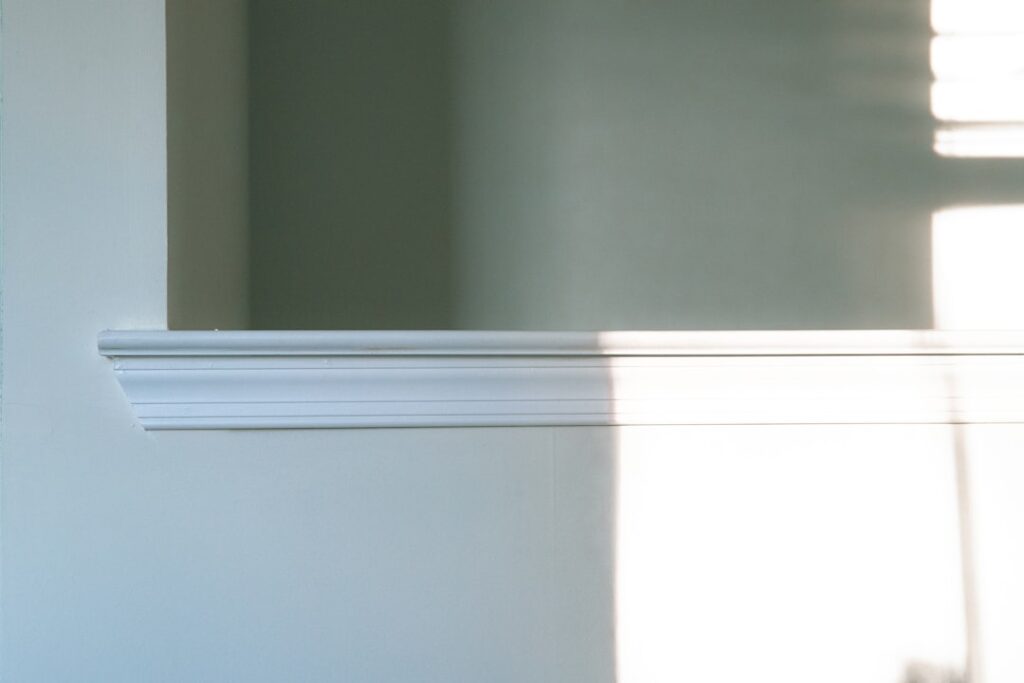
Chair rail is a horizontal trim run around a room, traditionally at the height where chair backs would otherwise scuff the wall, usually about a third of the way up. It serves a practical protective role and a decorative one, visually dividing the wall into upper and lower sections. Homeowners often pair chair rail with a different paint color, wallpaper, or wainscoting below it for a classic, layered look. In dining rooms and hallways, chair rail adds a touch of tradition and a clear horizontal line that anchors the room.
Picture Frame Molding
Picture frame molding uses small rectangular or square frames of trim applied directly to the wall, evenly spaced like a series of framed panels. It mimics the look of formal wainscoting or paneling at a fraction of the cost and effort. This treatment shines below a chair rail, in a dining room, along a staircase, or as a feature on a living room wall. The keys to success are careful measuring, consistent spacing, and clean miter cuts at the corners. Painted the same color as the wall, it gives a subtle, sophisticated tone-on-tone effect, painted in contrast, it pops.
Board-and-Batten
Board-and-batten brings a crisp, modern-farmhouse or craftsman feel with vertical battens (narrow boards) spaced evenly across the wall, often topped with a horizontal ledge. It works beautifully in entryways, mudrooms, bathrooms, and bedrooms, adding texture and a tailored look. The treatment can run a third of the way up the wall, to chair-rail height, or all the way to the ceiling for a bold statement. Because the battens are straight and vertical, this is a forgiving style for beginners as long as you keep everything plumb and evenly spaced.
Other Accent Trim Options
Beyond the big three, several other moldings add character:
- Crown molding: Trim where the wall meets the ceiling, adding elegance and visual height.
- Baseboards: Taller, more detailed baseboards instantly upgrade a room’s finish.
- Wainscoting panels: Raised or recessed paneling on the lower wall for a formal look.
- Window and door casing: Wider, more substantial casing frames openings and ties the room together.
Mixing a couple of these, such as upgraded baseboards with picture frame molding above, creates a cohesive, custom feel.
Placement and Proportion
Good trim is all about proportion. Chair rail too high or board-and-batten battens spaced unevenly will look off no matter how clean the cuts. As a starting point, chair rail commonly sits around 32 to 36 inches from the floor, though you should adjust to your ceiling height and furniture. For panel and batten spacing, measure the wall, account for outlets and windows, and divide into even sections so the layout looks deliberate. A laser level or a long spirit level is invaluable for keeping lines straight and consistent around the room.
Choosing Trim Materials
The material you select affects cost, durability, and how the trim handles. Solid wood like poplar or pine is the traditional choice, easy to cut and paint and ideal for stained finishes, though it costs more and can be affected by humidity. MDF (medium-density fiberboard) is popular for painted trim because it is affordable, smooth, and stable, taking paint beautifully with no grain to fill, but it does not tolerate moisture, so keep it out of bathrooms and damp areas. PVC and polyurethane moldings resist water and are well suited to humid rooms or exteriors, and they will not rot or warp. For most painted interior accent trim, MDF offers the best value and finish, while real wood is worth the extra cost where you want a stained look or maximum durability. Match the material to the room’s conditions and the finish you are after before buying.
Painting and Finishing Accent Trim
The finish is what makes trim read as built-in rather than added on. After installation, fill nail holes and any gaps at the joints with wood filler and caulk the seams where the trim meets the wall, caulking is the secret to a seamless, professional look. Sand smooth, prime if needed, and paint with a durable trim or semi-gloss enamel that wipes clean and highlights the molding’s profile. You can match the trim to the wall for a subtle effect, contrast it for definition, or paint the trim crisp white against a colored wall for a timeless, classic result.
The Bottom Line
Few upgrades deliver as much character per dollar as accent trim. Chair rail, picture frame molding, and board-and-batten each bring a distinct style, while crown molding, beefier baseboards, and upgraded casing round out the look. Success comes down to thoughtful placement, even spacing, clean cuts, and careful caulking and painting. Whether you want subtle tone-on-tone texture or a bold contrast feature wall, accent trim turns plain walls into the kind of detailed, custom space that makes a whole room feel finished.