
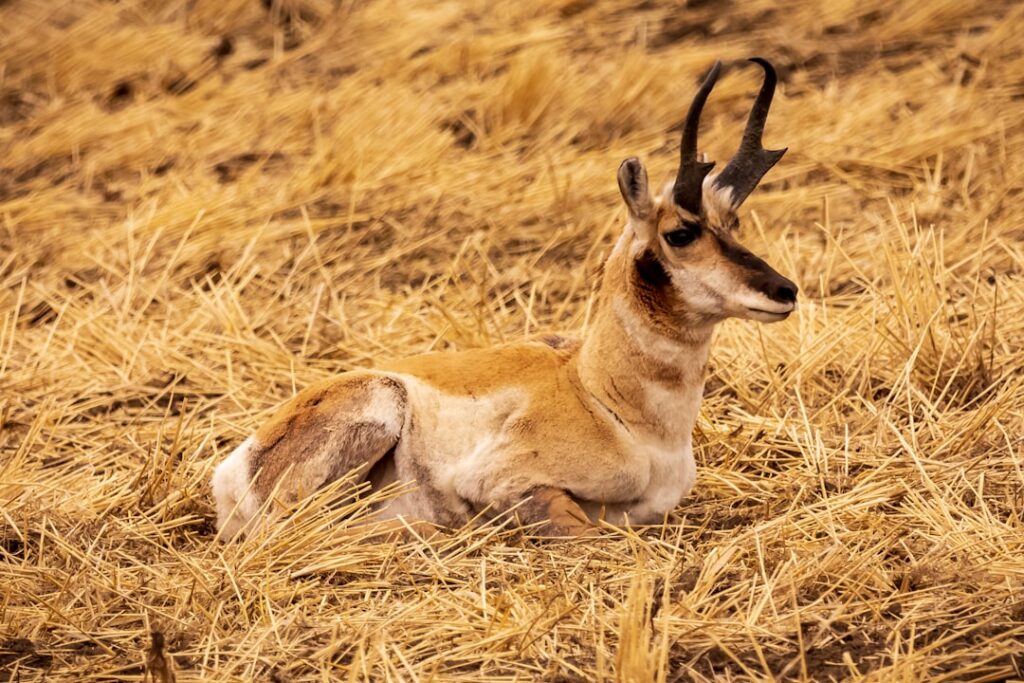
Few patterns have the staying power of antelope carpet, the softly spotted animal print that decorators have relied on for decades to add warmth, movement, and quiet sophistication to a room. Unlike bolder leopard or zebra prints, the antelope pattern is subtle and organic, functioning almost as a textured neutral that hides dirt and foot traffic beautifully. It has become a favorite for staircases and hallways in particular, where its forgiving pattern and classic elegance shine. This guide covers what defines the antelope pattern, where to use it, materials, durability, and how to style it in your home.
What the Antelope Pattern Looks Like
Antelope carpet features a repeating pattern of soft, elongated spots and dashes in graduated earth tones, inspired by the coat of an antelope. Rather than the high-contrast blotches of leopard print, the antelope motif uses smaller, more uniform markings that blend into a rich overall texture. From a few feet away it reads not as a loud animal print but as a warm, dappled neutral with subtle depth.
This restraint is exactly why the pattern has endured. It carries the interest and organic movement of an animal print without the visual noise, which lets it work in traditional, transitional, and even modern interiors. The Stark carpet company popularized the look decades ago, and it has been a designer staple ever since, appearing in countless elegant homes and hotels.
Why It Excels on Stairs and in Hallways
The single most popular use for antelope carpet is on staircases, and there are practical reasons beyond looks. The busy, multi-tone pattern is remarkably good at disguising dirt, footprints, pet hair, and general wear, which is a major advantage in the highest-traffic zones of a house. A solid-color stair runner shows every speck; an antelope runner hides them.
The pattern’s directionality also flatters a staircase, drawing the eye up the flight and adding a sense of movement. In hallways, the same forgiving quality keeps the runner looking clean between vacuuming while adding warmth and personality to what is often a dull transitional space. This combination of beauty and practicality is why designers reach for it again and again in these areas.
Color Options
Antelope carpet comes in a range of colorways that suit different palettes:
- Classic tan and brown: The original earth-tone version, warm and versatile, pairs with almost any decor.
- Gray and greige: Cooler, more contemporary tones for modern interiors.
- Cream and beige: Softer, lighter versions for airy, neutral rooms.
- Black and charcoal accents: Higher-contrast versions for a more dramatic statement.
The classic tan-and-brown remains the most popular because it functions as a true neutral and coordinates with wood tones, both warm and cool wall colors, and traditional or eclectic furnishings. Cooler gray versions have gained ground in recent years as homeowners lean toward contemporary palettes.
Materials and Construction
Antelope carpet is available in several fiber types, and the choice affects durability and feel:
- Wool: The premium and traditional choice. Wool is naturally durable, resilient, stain-resistant, and holds the pattern’s rich tones beautifully. Ideal for stairs where longevity matters.
- Wool-nylon blends: Combine wool’s look with nylon’s added durability and affordability, a popular practical option.
- Synthetic (nylon, polypropylene): More budget-friendly, easy to clean, and fade-resistant, though generally less luxurious underfoot than wool.
For a staircase, which endures constant concentrated foot traffic, a wool or wool-blend antelope carpet is the investment that pays off in years of good looks. Synthetic versions bring the pattern within reach for larger installations or budget-conscious projects while still hiding wear well.
Runner Versus Wall-to-Wall
You can install antelope carpet two main ways, and each has its place. A stair runner leaves a border of exposed wood or painted riser on either side, creating a refined, tailored look that shows off the staircase itself. This is the classic application and the one most associated with the pattern.
Wall-to-wall installation covers the entire tread and riser or the full floor of a room, delivering more cushioning and a plusher, more enveloping feel. Some homeowners use antelope wall-to-wall in bedrooms, dens, and closets for a cozy, luxurious effect. For most, though, the runner is the signature use, framing the pattern and letting the surrounding floor breathe.
Durability and Cleaning
One of the practical joys of antelope carpet is how well it wears. The dense, multi-tone pattern camouflages soiling, so it looks clean far longer than solid carpet between vacuuming. Wool versions are naturally resilient and spring back from crushing, while quality synthetics resist stains and fading.
Care is straightforward. Vacuum regularly to lift grit that would otherwise grind into the fibers, blot spills promptly rather than rubbing, and have wool runners professionally cleaned every year or two. On stairs, a quality carpet pad underneath adds comfort, reduces wear, and quiets footsteps.
Styling a Room Around Antelope Carpet
Because the antelope pattern behaves like a warm textured neutral, it plays well with a surprisingly wide range of decor. In a traditional home it pairs naturally with rich wood banisters, oil-rubbed bronze stair rods, and classic wall colors like creamy white or soft taupe. In a more transitional or modern space, the same pattern reads as a subtle graphic element against crisp white walls, black railings, and contemporary art. The key is to let the carpet be the textured hero and keep the surrounding surfaces relatively calm so the pattern has room to breathe.
Antelope carpet also layers beautifully with other patterns when done thoughtfully. Because its markings are small and low-contrast, it does not compete with a floral wallpaper in a stairwell or a bold runner in an adjoining hall the way a loud animal print would. Designers often use it precisely because it adds interest without dominating, letting you introduce color and personality elsewhere through art, lighting, and accessories while the carpet quietly ties the vertical journey of the staircase together.
With basic upkeep, an antelope carpet runner holds its elegant, dirt-hiding good looks for many years, which is precisely why this timeless pattern has never really gone out of style. It is one of the rare flooring choices that looks equally at home in a stately older house and a freshly renovated modern one, and it flatters the space the day it goes in and for years afterward.


