Choosing the right hall carpet is more challenging than carpeting a bedroom or living room. Hallways are narrow, high-traffic corridors that take a beating from foot traffic, dropped bags, muddy shoes, and pet paws. The wrong carpet will show wear patterns, mat down, and look worn out within a couple of years. The right choice will stay attractive for a decade or more while softening noise and adding warmth to a space that often feels bare.
- Why Hallways Are Different
- Best Carpet Styles for Hallways
- Frieze (Twisted) Carpet — Excellent Choice
- Textured (Cut Pile) Carpet — Very Good Choice
- Berber (Loop Pile) Carpet — Good Choice with Caveats
- Cut-and-Loop Carpet — Good Choice
- Plush (Velvet) Carpet — Poor Choice
- Saxony Carpet — Poor Choice
- Best Carpet Fibers for Hallways
- Nylon — The Gold Standard
- Triexta (SmartStrand) — Excellent Alternative
- Polyester (PET) — Budget Option
- Polypropylene (Olefin) — Indoor/Outdoor Option
- Wool — Premium Natural Option
- Runners vs Wall-to-Wall Carpet
- Best Patterns and Colors for Hall Carpet
- Stain Resistance and Easy-Clean Options
- Carpet Padding for Hallways
- Width, Sizing, and Seam Placement
- Transitioning Hall Carpet to Stairs
- Hall Carpet Pricing Guide
- Installation Tips
- Frequently Asked Questions
This guide walks you through the best carpet styles, fibers, and patterns for hallways, helps you decide between runners and wall-to-wall installation, and gives you the pricing information you need to budget your project accurately.
Why Hallways Are Different
A hallway presents unique challenges for any flooring material, and hall carpet needs to account for all of them:
- Concentrated foot traffic: Unlike a living room where traffic spreads across a wide area, hallway traffic follows a narrow path down the center. This concentrated wear is why hallway carpets show traffic lanes faster than any other room.
- Limited width: Most residential hallways are 36–48 inches wide, which limits carpet roll widths and influences whether you use a runner or wall-to-wall installation.
- Visibility: Hallways are transitional spaces that connect rooms. They are seen constantly, so worn or stained carpet is more noticeable than it would be tucked behind furniture.
- Lighting: Many hallways have limited natural light, which affects how colors and textures appear. Dark hallways make light-colored carpet look dull, while well-lit hallways expose every flaw in a dark carpet.
Best Carpet Styles for Hallways
Not every carpet style holds up in a hallway. Here are the best and worst options, ranked for hallway performance.
Frieze (Twisted) Carpet — Excellent Choice
Frieze carpet features tightly twisted yarns that curl in different directions, creating a textured, informal appearance. The high twist level (typically 7+ twists per inch) makes frieze extremely resilient and resistant to matting and crushing. The multi-directional texture hides footprints, vacuum lines, and wear patterns — all critical advantages in a hallway.
Frieze is one of the most popular hall carpet choices because it balances durability, appearance retention, and comfort.
Textured (Cut Pile) Carpet — Very Good Choice
Textured carpet uses heat-set fibers with a moderate twist that creates a slightly irregular surface. This texture helps hide footprints and shading and performs well in moderate to high traffic. It is a step down from frieze in durability but offers a slightly more refined look that suits formal hallways.
Berber (Loop Pile) Carpet — Good Choice with Caveats
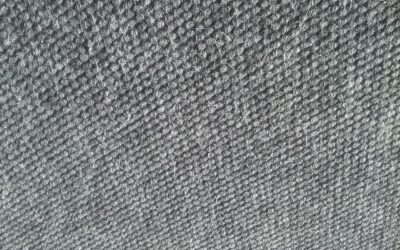
Berber carpet uses uncut loops of yarn in a level or multi-level loop construction. It is extremely durable and resistant to crushing — the loops spring back after compression. Berber is an excellent functional choice for hallways, but it has two downsides: pet claws can snag and pull loops (which then run like a stocking), and the dense loops can trap dirt, making deep cleaning more difficult.
Cut-and-Loop Carpet — Good Choice
Cut-and-loop combines cut pile and loop pile fibers in patterns that create visual texture and dimension. The pattern helps disguise wear and stains. Quality cut-and-loop carpet performs well in hallways, though the loop portions share the same snagging vulnerability as Berber.
Plush (Velvet) Carpet — Poor Choice
Plush carpet has a smooth, uniform surface that shows every footprint, vacuum line, and shade variation. In a hallway, the concentrated traffic creates a visible wear lane down the center within months. Avoid plush carpet in hallways unless you want to replace it frequently.
Saxony Carpet — Poor Choice
Saxony has longer, less twisted fibers that create a soft, luxurious feel but matt and crush easily under foot traffic. Like plush, it shows traffic patterns quickly and is not suitable for high-traffic hallways.
Best Carpet Fibers for Hallways
The fiber determines how your hall carpet handles stains, wear, and aging.
Nylon — The Gold Standard
Nylon is the most durable residential carpet fiber and the best choice for hallways. It offers exceptional resilience (bouncing back after compression), excellent stain resistance when treated (e.g., Mohawk’s StainMaster or Shaw’s R2X), and the longest lifespan. Nylon costs more than polyester but lasts significantly longer in high-traffic areas. Budget 20–30% more for nylon over polyester and consider it money well spent for a hallway.
Triexta (SmartStrand) — Excellent Alternative
Mohawk’s SmartStrand fiber, made from triexta, offers built-in stain resistance without topical treatments. It is softer than nylon and more resilient than polyester. SmartStrand has earned a strong reputation in high-traffic applications and is an excellent choice for hallways, especially in homes with children and pets.
Polyester (PET) — Budget Option
Polyester is the most affordable carpet fiber and offers inherent stain resistance. However, it crushes and matts more easily than nylon or triexta. In a hallway, polyester carpet will show wear patterns sooner. If budget is the primary concern, choose a polyester with a high face weight (30+ ounces) and tight construction to maximize durability.
Polypropylene (Olefin) — Indoor/Outdoor Option
Polypropylene is moisture-resistant and fade-resistant, making it suitable for hallways near exterior doors or in basements. It is the least resilient fiber — it crushes easily and stays flat. For hallways with heavy traffic, polypropylene is not ideal unless moisture resistance is the priority. For more detail on all carpet types and fibers, see our carpet flooring guide.
Wool — Premium Natural Option
Wool carpet is naturally resilient, flame-resistant, and beautiful. It performs well in hallways but is two to three times more expensive than synthetic options and requires more careful maintenance. Wool is best suited for formal hallways in traditional homes where its natural texture and warmth are fully appreciated.
Runners vs Wall-to-Wall Carpet
One of the biggest decisions for hall carpet is whether to install a runner over hard flooring or go with wall-to-wall carpet.
Hallway Carpet Runners
Best for: Homes with hardwood, tile, or stone floors in the hallway where you want to add warmth, noise reduction, and a decorative element while still showing the hard flooring on the edges.
Advantages:
- Easy to replace when worn — no installation required if using a non-slip pad
- Adds visual interest with patterns, borders, and contrasting materials
- Protects the hard flooring underneath from scratches
- Can be repositioned or swapped seasonally
- Available in standard widths (24, 27, 30, and 36 inches) and custom sizes
Disadvantages:
- Can slip or bunch without proper non-slip padding or tack strips
- Edges may curl over time, creating a trip hazard
- Does not provide the full noise reduction of wall-to-wall carpet
- Requires regular vacuuming underneath to prevent dirt buildup
Wall-to-Wall Hallway Carpet
Best for: Homes where the hallway connects carpeted rooms and a seamless look is desired, or where maximum noise reduction and warmth are priorities.
Advantages:
- Seamless look that flows into adjoining rooms
- Maximum noise reduction — important in multi-story homes and apartments
- Fully covers subfloor imperfections
- No slip or trip hazards from loose edges
- More comfortable underfoot with proper padding
Disadvantages:
- Professional installation required
- More expensive to replace when worn
- Shows traffic lanes more than a runner would
- Seams in narrow hallways are difficult to hide
Best Patterns and Colors for Hall Carpet
The right color and pattern make a huge difference in how long your hall carpet looks good.
Colors That Work Best
- Medium tones (taupes, warm grays, mid-browns): These hide dirt, stains, and wear better than any other color range. A medium-toned carpet does not show tracked-in dirt like a light carpet or lint and pet hair like a dark carpet.
- Heathered or flecked colorways: Multi-toned yarns with subtle color variation hide soil and wear far better than solid colors.
- Avoid pure white, cream, or very light neutrals: These show every mark and are impractical for hallways.
- Avoid very dark colors (charcoal, black, navy): These show lint, pet hair, and dust like a magnet. Every speck is visible.
Patterns That Perform
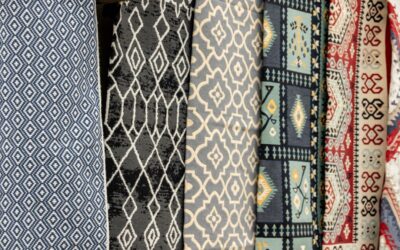
- Geometric patterns: Small-scale geometric patterns mask wear and stains effectively. They work well in both traditional and contemporary hallways.
- Stripes (lengthwise): Striped runners elongate a hallway and draw the eye forward. They also help disguise traffic lanes because the pattern disrupts the visual monotony.
- Traditional Persian/Oriental patterns: Classic patterned runners with rich colors and detailed patterns are masters at hiding wear and stains. They suit traditional, transitional, and eclectic interiors.
- Subtle textured patterns: If you prefer a solid-color look, choose carpet with a textured pattern (diamond, herringbone, or basket-weave) rather than a perfectly smooth surface.
Stain Resistance and Easy-Clean Options
Hallway spills happen — dropped coffee, muddy shoes, pet accidents. Here is how to choose hall carpet that handles messes:
- Solution-dyed fibers: Color is built into the fiber during manufacturing rather than applied afterward. Solution-dyed nylon and polyester resist bleaching from sunlight and cleaning products. Brands like Shaw Anso nylon and Mohawk ColorStrand use this process.
- Built-in stain protection: SmartStrand (triexta) has permanent stain resistance that never wears off because it is inherent to the fiber. Nylon requires topical stain treatments that can diminish over time with heavy cleaning.
- Stain-resistant treatments: Products like Scotchgard, StainMaster, and R2X create a barrier that slows stain penetration. These treatments work well but degrade over 3–5 years of cleaning.
- Low-pile construction: Shorter pile heights are easier to clean because spills sit on the surface rather than wicking into deep fibers. For hallways, a pile height of 0.5 – 0.75 inches is ideal.
Carpet Padding for Hallways
Do not underestimate the importance of padding under your hall carpet. The right pad extends carpet life, improves comfort, and reduces noise.
- Best hallway padding: 6–8 lb density rebond or memory foam pad, 3/8 inch thick. Higher density pads support the carpet fibers and prevent premature crushing in high-traffic areas.
- Avoid thick, soft padding: Padding over 1/2 inch thick feels luxurious but causes carpet to flex excessively under foot traffic, which accelerates fiber wear and mat-down in hallways.
- Runner padding: For runners over hard flooring, use a thin (1/4 inch) non-slip felt or rubber pad. This prevents sliding, cushions footsteps, and protects the hard floor underneath.
Width, Sizing, and Seam Placement
Standard carpet rolls come in 12-foot and 15-foot widths. Since most hallways are 36–48 inches wide, you can typically cut a single strip from a carpet roll with no seams. This is ideal because seams in high-traffic hallways are weak points that show wear and can separate over time.
For runners, standard widths include:
- 24 inches: Suited for narrow hallways up to 36 inches wide
- 27 inches: The most common runner width, works in 40–48 inch hallways
- 30–36 inches: For wider hallways, leaving 3–6 inches of exposed floor on each side
The general rule is that a runner should leave 3–6 inches of floor visible on each side for a balanced look.
Transitioning Hall Carpet to Stairs
If your hallway leads to a staircase, planning the transition is essential. The cleanest approach is to run the same carpet from the hallway down (or up) the stairs for a continuous look. If you are using a runner, it can transition to a stair runner with matching carpet secured by stair rods or tack strips.
Transitioning from hall carpet to a different stair material (hardwood stairs, for example) requires a clean edge. Metal transition strips or bound carpet edges create a professional finish at the top and bottom of the staircase.
Hall Carpet Pricing Guide
Here is what hall carpet costs in 2026 by quality tier:
Wall-to-Wall Hallway Carpet
- Budget polyester (20–25 oz face weight): $1.50 – $3.00/sq ft carpet + $0.50 – $1.00/sq ft pad + $1.00 – $2.00/sq ft installation = $3.00 – $6.00/sq ft total
- Mid-range nylon or triexta (28–40 oz face weight): $3.00 – $6.00/sq ft carpet + $0.75 – $1.50/sq ft pad + $1.00 – $2.50/sq ft installation = $4.75 – $10.00/sq ft total
- Premium nylon or wool (40+ oz face weight): $6.00 – $15.00/sq ft carpet + $1.00 – $2.00/sq ft pad + $1.50 – $3.00/sq ft installation = $8.50 – $20.00/sq ft total
Hallway Carpet Runners
- Machine-made polypropylene runners: $5 – $15 per linear foot
- Machine-made wool-blend runners: $15 – $40 per linear foot
- Hand-knotted or premium wool runners: $40 – $150+ per linear foot
- Custom-cut broadloom runner with bound edges: $8 – $25 per linear foot (plus binding at $2 – $5 per linear foot)
For a typical 15-foot hallway, a mid-range wall-to-wall installation costs $200 – $500, while a quality runner costs $150 – $600 depending on material and pattern.
Installation Tips
- Run the carpet direction lengthwise: Carpet pile should lean toward the main entry point of the hallway for the best appearance and wear.
- Avoid seams: In narrow hallways, seams are visible and wear quickly. Cut a single width from the carpet roll whenever possible.
- Stretch thoroughly: Power stretching is essential in hallways to prevent buckling and rippling over time. This is a primary reason to hire a professional installer.
- Secure runners properly: If you install a runner over hard flooring, use double-sided carpet tape, non-slip pads, or tack strips at each end to prevent movement and bunching.
Frequently Asked Questions
What is the most durable carpet for a hallway?
A frieze or textured carpet in solution-dyed nylon with a face weight of 35+ ounces and a twist count of 7+ per inch. This combination provides the best resistance to matting, crushing, staining, and overall wear in high-traffic hallways.
Are carpet runners safe in hallways?
Yes, when properly secured with non-slip padding, double-sided tape, or tack strips. An unsecured runner on a smooth surface is a slip and trip hazard, especially for elderly residents.
How wide should a hallway carpet runner be?
A runner should be 4–6 inches narrower than the hallway on each side. For a 42-inch wide hallway, a 27–30 inch runner looks balanced. For a 36-inch hallway, a 24-inch runner is appropriate.
How often does hall carpet need replacing?
Budget polyester carpet in a hallway lasts 3–5 years. Mid-range nylon or triexta lasts 7–12 years. Premium nylon or wool with proper maintenance can last 15–20 years. Runners can be replaced more easily and affordably than wall-to-wall carpet.
Can I install hall carpet myself?
Runners are an easy DIY project — just lay them over a non-slip pad. Wall-to-wall carpet installation in a hallway is more challenging due to the narrow space, tight transitions, and need for power stretching. Most homeowners benefit from professional installation for wall-to-wall hallway carpet.
What color carpet hides dirt best in a hallway?
Medium-toned, multi-flecked colors like warm gray, taupe, mocha, and heathered brown hide dirt, stains, and lint better than any solid or extreme color. Avoid very light colors (show dirt) and very dark colors (show lint and dust).