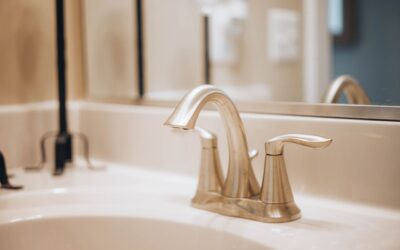
If you want a faucet that looks like it has always belonged in the room, an antique bronze kitchen faucet delivers instant warmth and old-world character that shiny chrome can never match. With its deep brown tones and subtly highlighted edges, an antique bronze kitchen faucet pairs beautifully with farmhouse sinks, warm wood cabinetry, and natural stone, hiding water spots and fingerprints better than nearly any other finish. But “bronze” spans several finishes and coating types, and knowing the difference keeps your faucet looking rich for decades instead of wearing thin at the handles. This guide covers the finish variations, care routines, standout models, and pricing so you buy with confidence.
Part of our Kitchen Remodeling guide — explore the full guide →
- The Appeal of Antique Bronze
- Antique Bronze vs. Oil-Rubbed Bronze vs. Champagne Bronze
- Living Finish vs. Sealed Finish
- How to Clean an Antique Bronze Faucet
- Features and Models to Consider
- Is Antique Bronze Right for Your Kitchen?
- Coordinating Bronze Throughout the Kitchen
- Choosing the Right Style and Sink Fit
- Installation in Under Two Hours
The Appeal of Antique Bronze
Antique bronze, sometimes labeled oil-rubbed bronze or aged bronze, has a dark, warm base with lighter bronze or copper highlights where the finish is “rubbed” along raised edges. That two-tone depth gives it a hand-crafted, heirloom quality. It reads as traditional and cozy, which is why it anchors so many farmhouse and rustic kitchens.
There is a hugely practical upside too. The dark, matte-leaning finish is the most forgiving of any faucet color. Water spots, mineral flecks, and fingerprints practically disappear on antique bronze, making it a favorite for busy family kitchens and hard-water homes where a chrome faucet would show every droplet. You wipe it far less often to keep it looking clean.
Antique Bronze vs. Oil-Rubbed Bronze vs. Champagne Bronze
The bronze family has several members, and they are not identical:
- Antique / aged bronze: dark brown with highlighted edges and a slightly weathered, vintage look.
- Oil-rubbed bronze (ORB): the darkest, nearly black-brown, with copper undertones revealed on high points; extremely popular and forgiving.
- Champagne bronze: a lighter, warmer, more golden bronze, trending in modern-traditional kitchens.
- Venetian or Tuscan bronze: manufacturer names for warm mid-brown bronzes with reddish undertones.
These names overlap between brands, so never order by name alone. Request a physical sample or an in-store look, because one company’s “antique bronze” can skew noticeably darker or warmer than another’s. Match the faucet to your cabinet hardware and lighting for a cohesive warm-metal palette.
Living Finish vs. Sealed Finish
Here is the detail that determines how your faucet ages. Bronze finishes come two ways:
- Sealed / PVD finish: a bonded, ultra-durable coating that resists scratching, tarnish, and fading. This is what you want for a worry-free faucet. It looks the same in year ten as day one.
- Living finish: an unsealed bronze that changes over time, wearing lighter at high-touch points like the handle and lever, revealing brighter metal beneath.
Some homeowners love a living finish for the character it develops; others are dismayed when the handle wears shiny within a year. Decide which camp you are in before buying. For most people, a PVD sealed antique bronze faucet is the safer bet because it keeps that rich, uniform look permanently. Manufacturers advertise PVD prominently since it is a real durability advantage.
How to Clean an Antique Bronze Faucet
Caring for bronze is refreshingly simple, and gentle is the rule. For everyday cleaning, wipe with a soft microfiber cloth dampened with warm water and a drop of mild dish soap, then buff dry. That routine handles the light cleaning bronze needs.
What you must avoid matters more than what you use. Never clean bronze with abrasive scrubbers, scouring powders, or harsh chemicals like bleach, ammonia, or acidic descalers. Those strip the finish, dull the highlights, and can permanently damage even sealed coatings. Skip the vinegar tricks that work on other metals; the acid attacks bronze finishes. For stubborn hard-water buildup, lay a cloth soaked in plain warm water over the spot for a few minutes to soften it, then wipe. Occasionally applying a thin coat of car wax or mineral oil to a living finish can slow uneven wear and deepen the color.
Features and Models to Consider
Finish aside, judge a bronze faucet by the same quality markers as any fixture: a solid brass body under the finish, a ceramic disc cartridge for drip-free longevity, and a pull-down or pull-out sprayer with a magnetic dock. Reliable options include:
- Delta and Moen bronze lines — widely available, $180 to $500, with strong lifetime cartridge warranties. Moen’s Spot Resist and Delta’s finishes both resist smudges.
- Kohler Oil-Rubbed Bronze — premium build and finish depth, $250 to $600.
- Kingston Brass vintage faucets — bridge and cross-handle styles for period kitchens, $200 to $500.
- Budget bronze imports — $90 to $180; verify a PVD or durable finish and read reviews for wear.
Confirm the mounting matches your sink: count the deck holes (one for single-handle, three for widespread or bridge styles) and make sure spout height and reach clear your largest pots and cover the sink basin.
Is Antique Bronze Right for Your Kitchen?
Antique bronze shines in warm, traditional, farmhouse, and rustic kitchens, especially alongside cream or wood cabinets, apron-front sinks, and natural stone counters. It feels out of place in a cool, ultra-modern kitchen dominated by stainless and glossy white, where brushed nickel or matte black usually suits better. If your palette runs warm and you value a finish that hides daily use, bronze is hard to beat.
Buy a PVD-sealed model for lasting good looks, match it to your hardware, and treat it gently with nothing more than mild soap and a soft cloth. Do that, and an antique bronze kitchen faucet rewards you with timeless character and low-maintenance beauty that only looks more at home as the years go by.
Coordinating Bronze Throughout the Kitchen
Bronze looks most intentional when it repeats in a few thoughtful places rather than standing alone at the sink. Echo the finish in your cabinet hardware, a pot filler over the range, drawer pulls, or the frames of pendant lights above an island. You do not have to match every piece exactly; an oil-rubbed bronze faucet paired with slightly warmer aged-bronze pulls reads as layered and custom as long as the tones stay in the same warm-brown family.
Think about the whole palette. Bronze glows against cream, white, and especially deep, warm cabinet colors like forest green, charcoal, and navy. It also loves natural materials, so it pairs beautifully with butcher-block counters, apron-front fireclay sinks, and natural stone. Stainless appliances read as neutral alongside bronze, but if you want a fully cohesive vintage look, panel-front or bronze-toned fixtures complete the story. Warm wood or terracotta flooring rounds out a kitchen built around a bronze faucet.
Choosing the Right Style and Sink Fit
Antique bronze comes in every faucet configuration, so let your kitchen’s character guide the shape. A high-arc gooseneck with a pull-down sprayer suits a transitional farmhouse kitchen and gives plenty of clearance for big pots. A bridge faucet with cross handles leans fully vintage and makes a period-style statement. A single-handle pull-out works in tighter or more casual spaces. Whatever the shape, confirm it fits your sink: count the deck holes (one for single-handle, three for widespread or bridge), and use a bronze deck plate to cover any unused holes for a clean result.
Check spout height and reach as well. The spout should clear your tallest stockpot and aim water toward the center of the basin, not the edge where it splashes. If you are pairing the faucet with a deep single-bowl or apron-front sink, a taller arc keeps filling and rinsing comfortable.
Installation in Under Two Hours
Swapping in a bronze faucet is a realistic weekend job. Turn off the hot and cold supply valves under the sink and open the old faucet to release pressure. Disconnect the braided supply lines, unthread the mounting nuts, and lift out the old faucet. Set the new bronze fixture through the deck holes, secure it from below with the supplied hardware, and reconnect the supply lines with a wrap of thread-seal tape on the threads. Keep a towel and small bucket handy for the water trapped in the old lines.
Once mounted, restore the water, remove the aerator, and run both hot and cold for a minute to flush debris before reinstalling it. Check underneath for any drips at the connections and snug them if needed. Budget one to two hours, and remember that a bronze finish shows its best when installed level and square, so take a moment to align the spout before final tightening. With the right style, a proper sink fit, and gentle soap-and-cloth care, an antique bronze kitchen faucet delivers warm, forgiving, heirloom character that anchors a traditional kitchen and stays beautiful for the long haul.