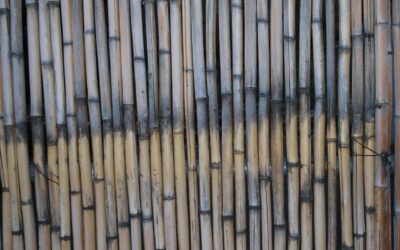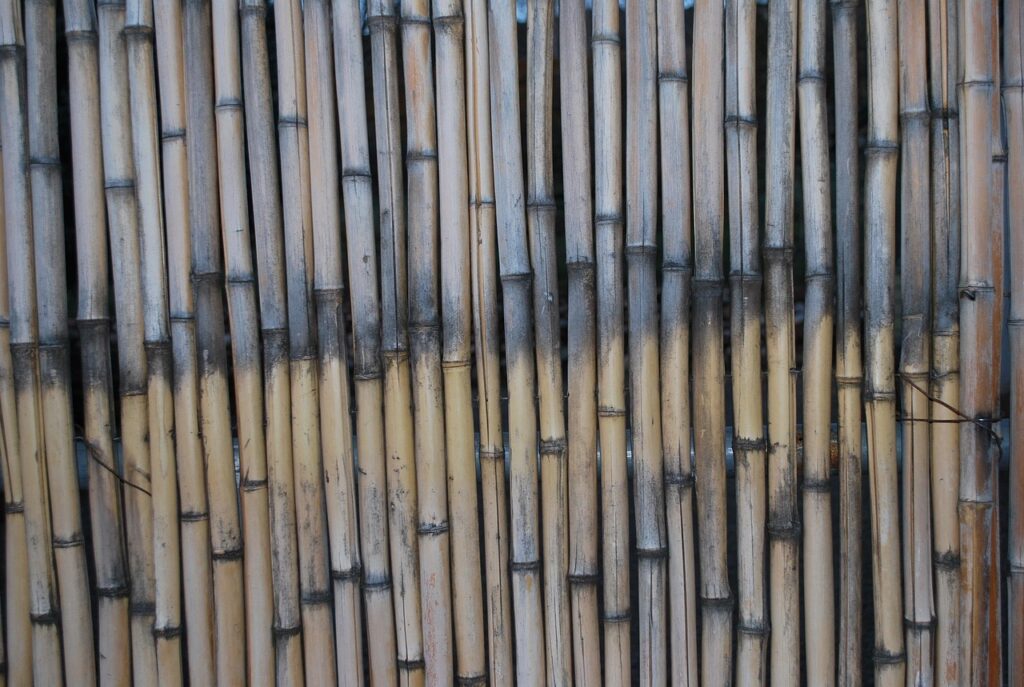
Nothing warms up a bare patio or deck faster than the right floor covering, and a bamboo outdoor rug delivers natural warmth with a durability that soft textile rugs simply cannot match outdoors. The clean, slatted look reads like an extension of a hardwood floor, but the material shrugs off sun, spilled drinks, and the occasional rain shower far better than a wool or jute rug ever would. If you have been frustrated watching indoor-style rugs mildew and fade on your porch, this is the fix.
Part of our Windows & Doors guide — explore the full guide →
The catch is that “bamboo rug” covers several very different products, from genuine bamboo slats to bamboo-look polypropylene weaves. Knowing which is which saves you from buying something that warps in the first heat wave. Here is what an experienced hand knows about picking and living with these rugs.
The Three Types Sold as Bamboo Rugs
Shop around and you will run into three distinct constructions, and they behave very differently in weather.
- Solid bamboo slat rugs: Thin strips of real bamboo, roughly 1/4 inch wide, sewn onto a fabric or vinyl backing. These have the most authentic look and a satisfying, firm feel underfoot. They are best for covered porches, since prolonged direct rain will eventually swell and crack the slats.
- Polypropylene “bamboo-look” rugs: Machine-woven synthetic rugs printed or textured to mimic bamboo. Fully weatherproof, they handle open decks, poolside, and full sun without complaint.
- PVC or vinyl-wrapped bamboo: Bamboo-look strips extruded from weatherproof plastic. These split the difference, offering better rain tolerance than natural slats with a more realistic look than flat synthetics.
For a fully exposed patio, choose synthetic. For a shaded porch where you want genuine texture, natural bamboo slats are worth it.
Getting the Size Right
Outdoor rugs almost always look too small once they are down, because open air makes everything read smaller than it does in a store. Measure your seating or dining zone and size up. Common outdoor sizes and their best uses:
- 5×7 feet: A small bistro set or a single lounge chair pairing.
- 8×10 feet: The workhorse size for a standard patio dining set, seating four to six.
- 9×12 feet: Full outdoor living rooms with a sofa, chairs, and a coffee table.
The goal is to keep at least the front legs of every piece of furniture on the rug. If the rug floats in the middle with furniture all around the edges, it will look like a postage stamp. Leave 18 to 24 inches of hardscape showing around the perimeter to frame it.
Weather Resistance and UV Fade
Sun is the real enemy of any outdoor rug. Natural bamboo will lighten and gray over a season or two of direct exposure, much like unfinished teak furniture. Some homeowners like that weathered patina; if you do not, apply a marine-grade UV-protectant spray at the start of each season. Synthetic polypropylene rugs are usually solution-dyed, meaning the color runs through the fiber and resists fading far longer, often rated for 500-plus hours of UV exposure before noticeable change.
Moisture is the second factor. Water itself does not rot synthetic fibers, but trapped moisture underneath any rug can stain a wood deck and breed mildew. Always use an outdoor-rated rug pad that promotes airflow, and lift the rug periodically to let the deck dry.
Cleaning and Everyday Care
One reason these rugs earn their keep is how easy they are to clean. For routine dirt, shake the rug out or sweep it with a stiff broom. For a deeper clean, take this approach:
- Mix a few drops of mild dish soap into a bucket of lukewarm water.
- Scrub the surface with a soft-bristle brush, working with the grain of the slats or weave.
- Rinse with a garden hose on a gentle spray, not a pressure washer, which can splinter natural bamboo or unravel synthetic backing.
- Stand the rug on edge or hang it to drip-dry completely before laying it back down.
Treat spills quickly. Red wine, sunscreen, and grease from a nearby grill are the usual culprits. Blot rather than rub, and tackle stains before they bake in under the sun.
Keeping It in Place on Windy Days
A lightweight rug on an exposed deck becomes a sail in a gust. Bamboo slat rugs are heavier and stay put better than thin synthetics, but on any open patio it pays to anchor the corners. Non-slip rug tape, weighted planters at two corners, or a proper grippy rug pad all work. If you live somewhere windy, roll the rug up and store it during storms rather than chasing it across the yard.
Winter Storage and Longevity
Natural bamboo rugs last far longer if you bring them inside or into a covered space over winter, especially in freeze-thaw climates where trapped moisture expands and cracks the slats. Clean the rug thoroughly, make sure it is bone dry, roll it with the finished side out, and store it flat or standing in a dry garage or shed. Synthetic rugs are more forgiving and can often overwinter outdoors, though they too will last longer with a little shelter.
Expect a quality natural bamboo outdoor rug to give you three to five seasons on a covered porch, while a good solution-dyed synthetic can run five to seven years even on an open deck. At $40 to $150 for common sizes, either represents an affordable way to transform outdoor square footage.
Is a Bamboo Outdoor Rug Right for Your Space
Match the product to the exposure and you will be happy. Covered, shaded, low-traffic porch that you want to feel warm and organic? Natural bamboo slats are hard to beat. Sun-blasted, rain-exposed deck or poolside where practicality wins? Reach for a bamboo-look synthetic. Either way, add a breathable rug pad, size up rather than down, and give it a quick sweep every week. Do that, and a bamboo outdoor rug will anchor your outdoor room with the kind of natural texture that makes a patio feel like a place you actually want to linger.
Frequently Asked Questions
Will a bamboo outdoor rug damage my wood deck?
Any rug can trap moisture against decking, which stains wood and encourages mildew. The fix is a breathable, outdoor-rated rug pad that lets air circulate, plus lifting the rug periodically so the boards can dry. On composite decking the risk is lower, but airflow still matters. Never leave a soaked rug lying flat on wood for days at a time.
Can natural bamboo rugs get rained on?
An occasional shower will not ruin a natural bamboo slat rug as long as it dries out afterward, but repeated soaking eventually swells and cracks the slats. For fully exposed, rain-prone patios, choose a synthetic bamboo-look rug instead. Reserve genuine bamboo for covered porches where it stays mostly dry.
How long do these rugs last outdoors?
Expect three to five seasons from a quality natural bamboo rug on a covered porch, and five to seven years from a solution-dyed synthetic even on an open deck. Bringing natural rugs inside over winter in freeze-thaw climates significantly extends their life.