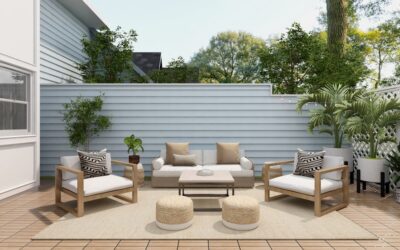
A patio with bare concrete or weathered decking can feel cold and lifeless, but a real grass yard is not always practical — kids’ play areas, balcony spaces, and rental properties all benefit from something softer underfoot without irrigation or mowing. A grass rug outdoor bridges that gap, giving you the lawn aesthetic on a hard surface with no maintenance beyond an occasional rinse. Modern polypropylene faux-grass rugs hold up to UV, foot traffic, and rain far better than the cheap turf squares of a decade ago.
Part of our Windows & Doors guide — explore the full guide →
This guide covers what separates a $40 rug that looks like astroturf from a $250 rug that passes for real grass at 4 feet, how to size for your space, and the care routine that gets 5 to 8 years of life from one.
Types of Grass Rugs
Three main categories on the market right now:
- Polypropylene faux turf rugs: the most common, $30 to $300 depending on size and pile height. UV-stabilized for outdoor use, drains through perforated backing.
- Nylon turf rugs: denser, more realistic blade variation, longer lifespan (8 to 10 years), but pricier at $4 to $7 per sq ft.
- Natural grass area rugs (jute, sisal, sea grass): truly natural fiber, but not grass-look — these are textural neutrals. Limited outdoor durability without protection.
For an actual lawn look on a deck or patio, you want polypropylene or nylon turf, not natural fiber.
What to Look For at a Glance
Pile height matters. Look for 1.25 to 1.75 inches for a realistic look. Anything under 1 inch reads as flat AstroTurf; anything over 2 inches mats down and traps debris.
Blade variation also matters. Quality faux-grass rugs use 3 to 4 colors in the blades — bright green, dark green, tan, and beige — which mimics real lawn under sunlight. Single-color bright green looks plastic.
Backing should be perforated polyurethane or latex. Non-perforated backing pools water during rain and grows mildew in the underside within a month.
Sizing for Common Spaces
Standard outdoor rug sizes that work for most patio layouts:
- 5×7: small balcony, single-chair seating area, $80 to $200
- 8×10: standard 4-chair patio set with table, $150 to $400
- 9×12: larger patio with sectional, $250 to $600
- 12×15+: backyard zones, custom or layered, $400 to $1,200
For dining sets, the rug should extend at least 24 inches past the chairs when pulled out — otherwise chair legs catch on the edge. For seating, all front legs of every furniture piece should sit on the rug.
Placement Tips
Square or rectangular patios get rectangular rugs. Round patios pair better with round rugs (8 or 10 feet diameter). On decks, align the rug’s long side with the boards to make the deck look longer.
Leave 18 to 24 inches of bare deck or concrete around the rug perimeter. A rug pushed wall-to-wall looks crowded and traps water in the corners during rain.
Drainage and Surface Prep
Before placing a grass rug, sweep the surface. Leaves, twigs, and pollen trapped under the backing accelerate mildew growth and stain the deck. On wood decks, the rug will leave a faint outline within 6 months from UV — sliding it 6 inches every couple of months evens this out.
For rooftop or balcony installations, raised deck tiles underneath the rug improve airflow and prevent water pooling. Pedestal pavers or interlocking deck tiles ($2 to $4 per sq ft) are common solutions.
Care and Cleaning
The maintenance routine is short, which is the whole appeal:
- Shake out or sweep loose debris weekly
- Hose down monthly during heavy use season
- For pet messes, rinse immediately and follow with diluted white vinegar to neutralize odors
- For mildew on the underside, lift the rug, scrub the deck or concrete, and let everything dry in direct sun for a full day before replacing
- Roll up and store indoors over winter in northern climates to extend lifespan beyond 5 years
Avoid bleach and harsh detergents — they break down the UV stabilizers in the polypropylene blades and cause premature fading.
Pet and Kid Considerations
Grass rugs are popular for dog owners with apartment balconies as a substitute lawn. Real urine drains through perforated backing onto the surface below, where it needs to be rinsed off the deck or pavers. Some manufacturers make pet-specific turf with antimicrobial backing and quicker drainage — Petgrow and PupGrass are two brands to look at, $4 to $8 per sq ft.
For kids’ play areas, look for fall-rated turf with a foam underlayment. Standard area rugs do not provide impact attenuation.
Realistic Lifespan
Expect 3 to 5 years on a budget polypropylene rug ($40 to $100 range), 5 to 8 years on a mid-grade rug ($150 to $400), and 8 to 12 years on commercial-grade nylon turf. Sun exposure is the main killer — south-facing patios in Texas or Arizona burn through faux grass faster than shaded decks in Maine.
Brands Worth Considering
- Lavish Home / Ottomanson: budget-friendly, $50 to $150, available on Amazon
- iCustomRug Turf Soft: mid-range, realistic blade variation, $100 to $300
- SYNLawn area rugs: premium, lifetime warranty on certain lines, $250 and up
- Heavy Duty Premium Indoor/Outdoor by NewLife: commercial-grade, drainage backing, $200 to $600
Common Mistakes
Two issues come up repeatedly. First, buying too small. A 5×7 looks lost on most patios; size up to 8×10 unless the space is genuinely tiny. Second, ignoring drainage. Solid rubber-backed rugs on a wood deck cause rot within one rainy season. Always choose perforated backing or use a layer of deck tiles underneath.
FAQ
Will a grass rug damage my wood deck?
Not if it has perforated backing and you lift and shift it every 2 to 3 months to allow the deck to dry and weather evenly. Solid rubber backing on a wood deck causes mildew and stains within one season.
Can I leave a faux grass rug outside year-round?
Yes, but expect shorter lifespan. In freezing climates, rolling it up and storing it indoors over winter doubles the usable life. UV exposure and freeze-thaw cycles are the main wear factors.
How do I keep a grass rug from blowing away on a windy balcony?
Heavy potted plants on the corners, a few outdoor rug grippers (3M Outdoor Carpet Tape), or weighted furniture all work. Some rugs come with grommets for tying down to railings.
Is a grass rug a substitute for real artificial turf installation?
For a small patio area, yes. For permanent backyard installation over dirt or sand, no — installed turf requires a base layer of crushed stone, edging, and infill that an area rug skips.