Sliding barn doors solve a space problem beautifully, but they create a new one the moment you install one on a bathroom or bedroom: they have no built-in way to lock or even stay shut. That gap catches most people by surprise after the door is already hanging. The right barn door latches restore privacy, keep the door from drifting open, and can even add real security, all while matching the rustic hardware look. This guide covers the main latch types, which one suits your situation, and how to install them so they work smoothly and look like they belong.
Part of our Windows & Doors guide — explore the full guide →
Why Barn Doors Need a Dedicated Latch
A standard swinging door has a mortised knob or lever with a latch bolt that clicks into the frame. A sliding barn door has none of that; it simply hangs from a track and rolls side to side. Without hardware, it can slide open on its own, offers zero privacy, and cannot be locked. Barn doors also lack the door-edge thickness and framing that traditional locks rely on, so you cannot just install a normal deadbolt. That is why a whole category of surface-mounted, purpose-built latches exists, designed to work with the way a barn door actually moves and mounts.
The Main Types of Barn Door Latches
Latches range from simple hooks to lockable privacy hardware. Choosing depends on whether you need privacy, security, or just a way to hold the door closed.
- Hook and eye latches: The simplest and cheapest, a hook that drops into an eye. Great for closets and pantries where you only need the door to stay put.
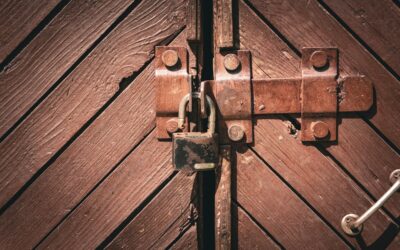
- Hasp latches: A hinged flap that folds over a staple, often with a spot for a padlock. Rustic looking and good for utility spaces.
- Sliding bolt (barrel) latches: A bolt you slide into a catch, offering solid closure and simple privacy.
- Teardrop and flip latches: Decorative pivoting latches that add farmhouse charm while holding the door closed.
- Privacy lock latches: Purpose-built barn door locks with a lever or hook that operates from both sides, ideal for bathrooms and bedrooms.
Choosing a Latch for Privacy
For a bathroom or bedroom, a simple hook will not cut it, because you need to lock the door from the inside and, ideally, have an emergency release from the outside. Dedicated barn door privacy latches are built for exactly this. Many use a hook or lever that engages from the inside while providing a slot or override on the outside so no one gets trapped. Some models are strike-mounted to the wall or door casing so the door pulls tight and does not rattle. When privacy is the goal, invest in a proper privacy latch rather than trying to make a utility hook do a job it was never designed for.
Choosing a Latch for Security
If your barn door covers a room you want to actually secure, such as a home office or a closet holding valuables, look for a lockable latch. Hasp latches accept a padlock, and certain barn door locks offer keyed or thumb-turn deadbolt-style mechanisms. Keep expectations realistic: a surface-mounted barn door latch is not as burglar-resistant as a solid-core door with a deadbolt in a full frame, because the door and hardware are more exposed. For interior privacy and casual security they work well; for a true exterior security barrier, a barn door is the wrong choice regardless of the latch.
Matching Hardware Finish and Style
Latches come in finishes meant to coordinate with barn door track hardware. Popular options include:
- Matte black: The default farmhouse look, pairs with most black track systems.
- Oil-rubbed bronze: A warmer, traditional tone for wood-heavy rooms.
- Stainless or brushed nickel: A cleaner, modern feel.
- Antique or raw steel: For an authentic vintage barn aesthetic.
Match the latch finish to your track and rollers so the whole door reads as one intentional design.
Installation Basics
Most barn door latches are surface-mounted, which makes them approachable for a DIYer with basic tools. The general process is straightforward, but a few details matter for smooth operation.
- Position the latch: Hold it at a comfortable height, usually around 36 to 42 inches, and mark the mounting holes on the door and the matching catch on the wall or casing.
- Check for level and alignment: The latch and its catch must line up precisely, or the bolt will bind. Use a level and test-fit before drilling.
- Pre-drill pilot holes: Drilling first prevents the wood from splitting, especially near the door edge.
- Secure with proper screws: Drive screws into solid wood or, for wall-mounted catches, into a stud or with anchors so the hardware does not pull loose.
- Test the action: Operate the latch several times, adjusting the catch position until it engages smoothly without forcing.
Common Installation Mistakes
The biggest pitfall is misalignment between the latch and its catch, which leaves you fighting the hardware every time you close the door. Measuring carefully and test-fitting before final screws prevents it. Another mistake is mounting the wall-side catch into drywall alone; without a stud or proper anchor, a firm tug can rip it out. Also account for the small gap barn doors leave against the wall, since a latch that needs the door pressed tight may not engage if the door hangs slightly proud. Choosing a latch designed for the way your door sits saves a lot of frustration.
Bottom Guides and Anti-Rattle Hardware
A latch works far better on a door that does not swing and sway, which is why the humble bottom guide deserves a mention alongside the latch itself. Sliding barn doors hang from a top track and can swing away from the wall at the bottom, making it hard for any latch to line up with its catch. A floor-mounted or wall-mounted bottom guide keeps the door tracking straight so the latch engages the same way every time. Without one, you may find your carefully installed latch misses its catch whenever the door drifts.
Anti-rattle hardware and wall bumpers also improve how a latched door feels. Small wall-mounted bumpers or anti-jump hardware keep the door from banging against the wall and hold it a consistent distance out, which matters because many latches need the door to sit at a predictable position to catch. If your barn door rattles or bangs, adding these inexpensive parts alongside your latch turns a loose, noisy door into one that closes solidly and stays put. Think of the latch, the bottom guide, and the bumpers as a small system that together makes the door feel intentional and secure.
DIY Privacy Solutions Beyond Latches
If a dedicated privacy latch feels like more hardware than you want, or you need a quick interim fix, several simpler approaches add privacy to a barn door. Each has trade-offs, but they can serve well depending on how much security you actually need.
- Hook and eye with a longer reach: A basic hook mounted inside gives simple privacy for a bathroom on a budget, though it offers no outside override.
- Magnetic catches: Hidden magnets hold the door closed against drifting without any visible hardware, ideal when you want closure but not a lock.
- Floor-mounted foot bolt: A bolt that drops into the floor holds the door firmly and adds a measure of security.
- Sliding barrel bolt: Mounted on the inside edge, it provides straightforward privacy at a low cost.
For a family bathroom or bedroom where someone could get locked in, always favor a solution with an outside override so no one is trapped. The right barn door latches or bolts balance the privacy you need against safe, easy operation for everyone in the household, including children who may not understand a stubborn lock.
Picking the Right Latch for Your Door
Start by defining what you actually need: simple closure, privacy, or lockable security. For closets and pantries, a hook or teardrop latch is inexpensive and charming. For bathrooms and bedrooms, a purpose-built privacy latch with an outside override is the right call. For rooms you want to secure, choose a hasp with a padlock or a keyed barn door lock, while remembering the limits of surface-mounted hardware. Match the finish to your track, install with attention to alignment and solid anchoring, and the right barn door latches will make your sliding door as functional as it is stylish.