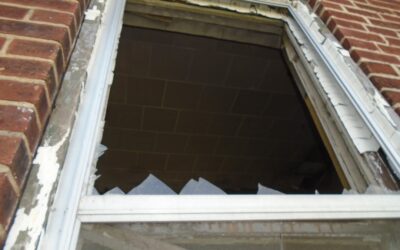
Basement windows live a hard life. They sit at or below grade, collect leaves and snowmelt in their wells, and are often the last windows in the house anyone thinks to maintain. The result is a familiar list of problems: hopper sashes that will not open, wood frames soft with rot, cracked glass, and water trickling down the foundation wall after every heavy rain. Most of these can be solved with a practical basement window repair that costs far less than replacement.
Part of our Windows & Doors guide — explore the full guide →
The quick answer: free a stuck hopper by cleaning and lubricating the hinges and latch, and releasing painted-shut edges. Repair minor rot with wood hardener and epoxy filler, or replace a rotted frame with a vinyl insert. Replace cracked glass with new glass or acrylic. And stop most leaks by fixing the window well, the grading, and the exterior caulk rather than the window itself. When a frame is rotted through, the opening leaks at the foundation, or the room is used for sleeping, replacement with a vinyl or egress window is the right move.
- Basement Window Repair: Diagnose the Problem
- Safety and Preparation
- Tools and Materials
- How to Free a Stuck Hopper Window
- Repairing Rotted Wood Frames
- Replacing Cracked Basement Window Glass
- Stopping Basement Window Leaks
- Troubleshooting
- Typical Costs
- When to Replace With Vinyl or Egress, or Call a Pro
- Frequently Asked Questions
This guide walks you through each repair, the tools you need, troubleshooting, typical costs, and when a contractor should take over.
Basement Window Repair: Diagnose the Problem
Start by identifying which window style you have and exactly where the problem sits.
- Hopper windows hinge at the bottom and tilt inward from the top. They are the most common basement style, especially in older wood and steel frames.
- Sliders have one or two sashes that move sideways in a track. Many vinyl replacement basement windows are sliders.
- Fixed or awning windows either do not open or hinge at the top and swing out.
- Glass block panels are sealed and do not open; repairs usually involve mortar joints or replacing a single block.
Next, pin down the symptom. Water on the inside of the glass on cold days is condensation. Water running down the wall below the window after rain points to the well, grading, or the joint between the frame and the foundation. Soft, flaking wood at the bottom rail means rot. Each issue has a different fix.
Safety and Preparation
- Wear cut-resistant gloves and safety glasses whenever you handle glass, remove a sash, or scrape old glazing.
- Tape cracked glass with clear packing tape before removing a sash so it does not fall apart in your hands.
- Basement windows near the floor or used for egress may require tempered or safety glass. Check local rules and order tempered glass cut to size by a glass shop; it cannot be cut after tempering.
- Older basement window frames and surrounding paint in pre-1978 homes may contain lead. Test before sanding or scraping, and use wet methods if lead is present.
- If you see mold on the frame or wall, wear an N95 respirator while cleaning, and fix the moisture source so it does not return.
- Look for spiders, wasps, and rodents in window wells before reaching in.
Tools and Materials
- Stiff putty knife, utility knife, flat pry bar, and screwdrivers
- Wire brush and shop vacuum
- Dry silicone or PTFE spray lubricant
- Replacement hinges, latches, or sash clips (matched to your window)
- Liquid wood hardener and two-part epoxy wood filler
- Replacement glass, acrylic, or polycarbonate; glazing compound and glazier’s points
- Exterior polyurethane or hybrid polymer sealant rated for masonry
- Low-expansion window foam and backer rod
- Gravel, a window well cover, and a shovel for well work
- Exterior primer and paint for wood frames
How to Free a Stuck Hopper Window
Hopper sashes stick for three reasons: paint sealing the edges, corroded hinges or latches, or a swollen, warped frame.
- Cut the paint seal. Run a utility knife around every edge where the sash meets the frame, inside and out if you can reach.
- Work a putty knife into the gap. Tap it gently with your palm along the top edge where the latch sits. Do not pry against the glass.
- Release the latch. Clean corrosion off the cam latch with a wire brush and spray it with lubricant. Operate it several times.
- Service the hinges. Hopper hinges sit at the bottom rail. Brush away dirt and rust, spray lubricant into the pivots, and work the sash back and forth.
- Check for swelling. If the sash rubs along one edge, mark the high spot, remove the sash (most lift out once opened fully and tilted), and plane or sand the edge. Seal the bare wood with primer and paint before reinstalling.
- Replace worn hardware. Broken latches and hinge clips are inexpensive. Remove the old screws, fit the new part, and use stainless screws to resist rust.
Fixing a sticking slider
Remove the sash by lifting it up into the top track and swinging the bottom out. Vacuum the tracks, scrub with soapy water, dry, and apply dry lubricant. Replace worn rollers or glides if the sash drags.
Repairing Rotted Wood Frames
Wood basement frames rot from the bottom up because the sill sits close to wet soil and trapped snow. Probe with an awl to find the extent.
Small areas of rot
- Dig out soft wood with a chisel or screwdriver until you reach firm fibers.
- Let the area dry for several days, using a fan or heat lamp if needed.
- Saturate the exposed wood with liquid wood hardener and let it cure.
- Mix and press in two-part epoxy wood filler, overfilling slightly.
- Once cured, sand or plane flush, prime, and paint with exterior paint.
Extensive rot
If the rot runs deep through the sill, the frame is loose in the opening, or the wood surrounding it (the rim joist or sill plate above) is soft, a patch will not last. Remove the old frame and install a vinyl replacement window, and have a contractor inspect any damage to the framing above the foundation. Rotted sill plates and rim joists are structural members.
Replacing Cracked Basement Window Glass
Most older basement sashes use a single pane of glass set in putty or held by a rubber gasket.
- Remove the sash and lay it flat on a padded surface.
- Tape the cracked pane, then remove glazing compound with a putty knife or pull out the gasket or stops.
- Pull the glazier’s points and lift out the glass in pieces, wearing gloves and eye protection.
- Clean the rabbet and prime bare wood.
- Measure the opening and subtract 1/8 inch in each direction. Buy glass, acrylic, or polycarbonate cut to that size. Polycarbonate is a smart choice for basement windows exposed to lawnmower stones or kids’ balls.
- Lay a thin bead of glazing compound in the rabbet, press in the new pane, set glazier’s points every 6 inches, and tool fresh compound around the edge. Let it skin over before painting.
Stopping Basement Window Leaks
Most basement window leaks are not really window problems. Water collects in the well or runs toward the house, then finds its way around the frame.
Fix the window well
- Clean out leaves, soil, and debris. A well full of organic material holds water against the window.
- Add 4 to 6 inches of clean gravel to the bottom of the well so water can drain down instead of pooling.
- Check that the well liner is attached tightly to the foundation. Reseal gaps with masonry-rated sealant.
- Install a clear window well cover to keep out rain, snow, and leaves while still admitting light.
- If the well has a drain, confirm it is open by pouring a bucket of water in and watching it clear.
Fix the grading
Soil around the foundation should slope away from the house, dropping roughly 6 inches over the first 10 feet. Make sure downspouts discharge several feet from the foundation, well away from any window wells.
Reseal the frame
Remove cracked or missing exterior caulk around the frame. Fill wide gaps with backer rod, then apply a polyurethane or hybrid polymer sealant that bonds to both masonry and wood or vinyl. Inside, fill gaps between the frame and foundation with low-expansion foam.
Troubleshooting
Condensation on the inside of the glass
Basements are humid, and single-pane glass is cold. Run a dehumidifier to keep relative humidity around 50 percent or below, and consider a vinyl double-pane replacement if condensation is chronic.
Water appears at the bottom corner after heavy rain
Check the well liner seam and the joint between the frame and foundation at that corner. A clogged or missing well drain is also a common cause.
The sash will not latch tightly
The frame may be warped, or the latch keeper has shifted. Adjust or reposition the keeper, and add compressible weatherstrip along the top rail.
Typical Costs
- Hardware, lubricant, and caulk: generally under $50 per window.
- Epoxy wood repair materials: roughly $30 to $60.
- Cut-to-size glass or polycarbonate: commonly $20 to $80 depending on size and material.
- Window well cover: often $50 to $200 depending on size and style.
- Vinyl replacement basement window, professionally installed: typically a few hundred dollars per window.
- Egress window installation (cutting or enlarging the foundation opening, new well): usually several thousand dollars, varying widely with foundation type and region.
When to Replace With Vinyl or Egress, or Call a Pro
- The frame is rotted through or loose in the foundation opening.
- Leaks continue after you have fixed the well, grading, and caulk, which may point to foundation cracks.
- You are finishing the basement or adding a bedroom. Sleeping rooms need an egress window that meets minimum opening size, sill height, and well dimensions under local building code, and cutting a foundation requires a permit and a contractor.
- The rim joist or sill plate above the window is soft, indicating structural rot.
- You see persistent mold growth that returns after cleaning.
A vinyl replacement window is a common and cost-effective upgrade for a failing wood or steel basement frame. It will not rot, seals better, and often includes double-pane glass that reduces condensation.
Frequently Asked Questions
Can I repair a basement window myself?
Yes, most basement window repair tasks such as freeing a stuck hopper, replacing glass, patching minor rot, and resealing the frame are DIY-friendly. Cutting a foundation for egress or repairing rotted framing is not.
Why does my basement window leak only during heavy rain?
The window well is likely filling faster than it drains, or the grading directs runoff toward the house. Clean the well, add gravel, extend downspouts, and install a well cover.
Should I replace old basement windows with glass block?
Glass block improves security and seals well, but it does not open for ventilation and cannot serve as an egress window. Vinyl hopper or slider windows are more versatile.
How long does a vinyl basement window last?
A properly installed vinyl basement window commonly lasts 20 years or more with basic maintenance of the well and exterior sealant.
Is condensation on basement windows a sign of a leak?
Not necessarily. Condensation forms when humid basement air meets cold glass. Water that appears after rain, running down the wall below the window, is a leak.