One of the most common bathroom complaints I hear during remodels is some version of “the tub is too low” or “stepping over the side hurts my back.” Most homeowners never check bathtub height before buying because manufacturer spec sheets bury the number under more glamorous dimensions like length and width. The result is a tub that fits the alcove but is uncomfortable to use every day for the next 20 years. After installing close to 200 tubs across alcove, drop-in, freestanding, and walk-in models, I have a clear sense of which heights work and which ones do not.
Part of our Bathroom Remodeling & Flooring guide — explore the full guide →
Standard Bathtub Heights
Tubs come in four height categories, measured from the floor to the top of the tub rim:
- Standard alcove tubs: 14 to 17 inches tall
- Soaking and Japanese-style tubs: 20 to 27 inches tall
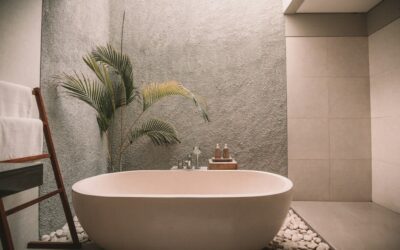
- Freestanding clawfoot and pedestal tubs: 22 to 28 inches tall
- Walk-in tubs: 36 to 41 inches tall (with a door)
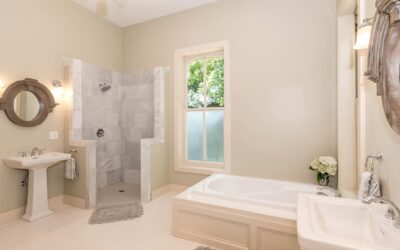
The most common bathtub in American homes is a 60-inch alcove tub at roughly 14 to 16 inches from floor to rim. That is also the height most people complain about.
Why Standard Heights Are Often Too Low
The 14-inch height comes from a 1950s standard that assumed an average adult would step in and quickly sit down. Modern users actually spend time in the tub — bathing kids, soaking after work, reading. Sitting in a tub with only 14 inches of water depth is uncomfortable, and stepping over a 14-inch rim while wet is awkward.
Worse, the standard tub bottom sits on the bathroom floor, leaving only 6 to 9 inches of usable water depth before water reaches the overflow drain. That is barely enough to cover the legs.
Comfort Heights for Soaking
For a tub you actually want to relax in, look for these specs:
- Rim height 20 to 24 inches
- Usable water depth 14 to 17 inches
- Interior length 60 inches minimum (66 inches for taller adults)
- Slope-back design for comfortable reclining
Brands like Kohler Underscore, American Standard Cadet, and Maax Optik offer deeper alcove options in the 20-inch range that retrofit into standard 60-inch openings.
Freestanding Tubs and Height
Freestanding tubs are typically 22 to 28 inches tall, which sounds like a lot until you realize the floor underneath is exposed. Stepping in requires either:
- Lifting a leg over a 24-inch rim from a standing position (challenging for shorter users)
- Sitting on the rim and swinging legs over (most common technique)
Position a freestanding tub with at least 18 inches of clear space along one side for the “sit and swing” approach. Bath stools also help — a 10-inch teak stool next to the tub is a small luxury that makes a big difference.
ADA and Accessible Heights
The ADA does not strictly govern residential bathtubs, but the recommended accessible specifications are:
- Seat or transfer surface at 17 to 19 inches from the floor
- Grab bars at multiple heights
- Hand-held shower wand on a vertical slide bar
For aging-in-place planning, a 17-inch tub rim is the sweet spot — matches a standard chair seat height, making transfer in and out manageable for limited mobility.
Walk-in tubs solve the height problem entirely by replacing the high side with a watertight door. They run $2,500 to $8,000 installed and are a legitimate solution for elderly homeowners staying in place.
Installation Heights
The height of the tub depends on more than just the tub itself — the rough plumbing and the subfloor add inches.
Typical installation buildup:
- Tub feet or built-in apron: 0 to 4 inches
- Mortar bed (under cast iron or stone tubs): 1 to 2 inches
- Subfloor and underlayment: 1 inch
- Finished floor: 1/2 to 1 inch
A 14-inch alcove tub sitting directly on a finished bathroom floor ends up with the rim 14 inches high. Place that same tub on a raised platform and the effective height jumps. Some designers raise tubs 4 to 6 inches above the surrounding floor on a tile-clad platform, both for comfort and for visual prominence.
Drop-In Tubs and Deck Height
A drop-in tub sits inside a tiled deck. The total bathtub height equals the tub depth plus the deck height. Common deck heights are 18 to 22 inches, and a 14-inch tub on a 22-inch deck gives you a finished rim about 22 inches tall.
Drop-in tubs offer the best customization. You can tune the deck height to your specific user, build in a stair step on one side, and integrate storage in the deck face. They are also the heaviest to install — cast iron drop-ins easily exceed 400 pounds before adding water.
Faucet Mounting Heights
Match the faucet to the tub height for correct fill and spout reach:
- Wall-mount over alcove tub: Spout 4 to 6 inches above the tub rim
- Deck-mount on drop-in: Centered on the deck width, 6 to 9 inches from the tub rim
- Floor-mount for freestanding: Spout 4 to 8 inches above the tub rim
Mount too low and the spout submerges when the tub fills (a code violation in many jurisdictions due to backflow). Mount too high and the water cascades dramatically — sometimes desirable, sometimes splashy.
Cost Considerations
Tub heights generally correlate with price ranges:
- Standard 14-inch alcove tubs: $200 to $800
- Deeper alcove soakers (20+ inches): $500 to $1,500
- Freestanding tubs: $1,200 to $5,000+
- Walk-in tubs: $2,500 to $8,000 + installation
Installation adds $400 to $1,200 for a straightforward swap-out and $1,500 to $4,000 for a tub style change requiring plumbing or framing work.
Common Mistakes
- Buying based on length only, ignoring height — leads to comfort surprises
- Forgetting that flooring buildup affects the effective height
- Selecting a tall freestanding tub with no entry assistance for older users
- Mismatching the faucet height to the tub rim
- Not checking the water depth to the overflow — some shallow tubs only allow 5 to 7 inches of bath water
Picking the Right Height for You
Three questions to ask yourself:
- Do you actually soak, or just shower? If you only shower, height matters less.
- What is the age range of users? Plan for the future, not just today.
- How tall are the primary users? Tall adults benefit from longer, deeper tubs even if it costs more.
A well-chosen tub at the right height is the difference between dreading bath time and looking forward to it.