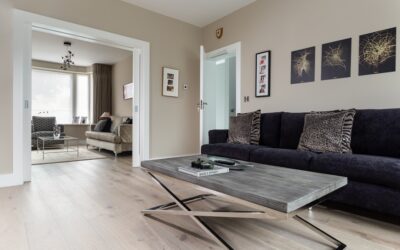
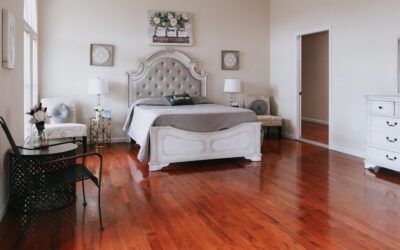
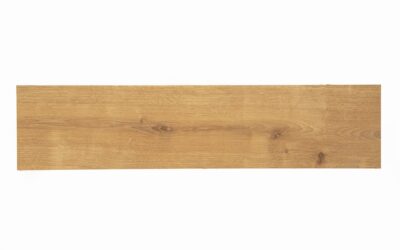
In my 20+ years of flooring experience, laminate remains one of the smartest choices for bedrooms. It delivers the warm, wood-floor look most people want at a fraction of the hardwood price, and bedrooms are actually the ideal environment for laminate — low moisture, moderate traffic, and a controlled climate. I’ve installed laminate in master bedrooms, kids’ rooms, guest rooms, and nurseries, and it performs beautifully in all of them.
This guide covers how to choose the right bedroom laminate flooring — from thickness and AC ratings to styles, colors, and the installation details that make the difference between a floor that looks builder-grade and one that looks custom.
- Why Laminate Is Ideal for Bedrooms
- How to Choose Bedroom Laminate
- Best Laminate Styles for Bedrooms
- Bedroom Laminate Color Guide
- Best Brands for Bedroom Laminate
- Thickness and AC Rating Guide
- Choosing Underlayment for Bedrooms
- Bedroom Installation Tips
- Cost of Bedroom Laminate Flooring
- Laminate vs. Other Bedroom Flooring
- Frequently Asked Questions
Why Laminate Is Ideal for Bedrooms
Bedrooms are one of the easier environments for any flooring product, and laminate thrives here. Here’s why I frequently recommend it:
- Low moisture exposure: Laminate’s biggest vulnerability is moisture, and bedrooms are the driest rooms in the house. No splashing, no spills (usually), no humidity concerns.
- Moderate foot traffic: Bedrooms see lighter use than kitchens or entryways, so even mid-range laminate holds up for decades.
- Warmth underfoot: Unlike tile, laminate feels warm when you step out of bed barefoot. With quality underlayment, it’s genuinely comfortable.
- Cost-effective: Bedrooms are often the largest rooms in the house. Laminate lets you cover 300+ square feet with beautiful wood-look flooring for a fraction of what hardwood would cost.
- Hypoallergenic: Unlike carpet, laminate doesn’t harbor dust mites, pet dander, or allergens. For allergy-prone sleepers, this is a significant health advantage.
- Easy to keep clean: A quick sweep and occasional damp mop keeps bedroom laminate looking new. No shampooing, no deep cleaning.
How to Choose Bedroom Laminate
Not all laminate is the same, and choosing the right product for your bedroom comes down to several factors:
Plank Width
Wider planks make bedrooms feel more spacious and upscale. I recommend 7-inch-wide planks as the sweet spot for bedrooms — they look modern and substantial without overwhelming smaller rooms. For larger master bedrooms, 8- to 9-inch planks create a luxurious, hardwood-like appearance.
Narrow 5-inch planks work in small bedrooms and give a more traditional wood floor look, but they can make a space feel busier with more seams visible.
Plank Length
Longer planks (48 inches and above) look more like real hardwood and create a more open, flowing feel. Short planks (36 inches) are easier to install and generate less waste, but the frequent end joints can look choppy. Most mid-range and premium laminates now come in 48-inch or longer planks.
Surface Texture
This is where modern laminate truly shines. Look for embossed-in-register (EIR) textures where the physical texture aligns with the printed wood grain pattern. When you run your hand across the surface, the ridges match the visual grain — it’s remarkably convincing. Hand-scraped and wire-brushed textures add character and also help hide minor scratches.
Smooth, glossy finishes are available but I rarely recommend them for bedrooms. They show dust, footprints, and pet hair more readily and can look plasticky.
Edge Profile
Beveled edges (also called micro-bevels or painted bevels) create subtle shadow lines between planks that mimic real hardwood. Pressed or painted bevels create a more defined look. Square-edge (no bevel) laminate creates a smoother, more seamless surface. Both work in bedrooms — it’s a matter of personal preference and how closely you want to replicate a hardwood look.
Best Laminate Styles for Bedrooms
Classic Oak
Oak-look laminate is the most popular choice for bedrooms, and for good reason. It’s versatile, timeless, and pairs with virtually any bedroom furniture and decor style. Whether you choose a warm honey oak, a cool gray oak, or a natural white oak, you can’t go wrong. I install more oak-pattern laminate than all other patterns combined.
Rustic/Reclaimed Wood
Rustic laminate with knots, varied grain patterns, and multi-toned coloring adds warmth and character to bedrooms. It works particularly well in farmhouse, cottage, and transitional bedroom designs. The color variation also hides minor imperfections and wear better than uniform patterns.
Walnut
Walnut-pattern laminate offers a rich, dark, sophisticated look that elevates master bedrooms. It pairs beautifully with light bedding, white trim, and modern furniture. Just be aware that darker laminate shows dust and scratches more readily than lighter options.
Light Maple/Birch
Light, blonde wood patterns brighten bedrooms and make small rooms feel larger. Scandinavian-inspired designs have made light-toned floors more popular than ever. They’re also the most forgiving when it comes to showing dust and pet hair.
Gray-Toned Wood
Gray laminate remains popular in contemporary bedrooms. It provides a modern, neutral base that works with both cool and warm decor palettes. Gray-washed oak and weathered gray patterns are the most realistic options in this category.
Bedroom Laminate Color Guide
Small Bedrooms (Under 150 sq ft)
Stick with lighter colors — natural oak, light maple, whitewashed gray. Light floors reflect more light and make compact spaces feel open and airy. Avoid very dark colors that visually shrink the room.
Large Master Bedrooms (Over 250 sq ft)
You have complete freedom here. Dark walnut, rich hickory, and bold contrasting colors all work in larger bedrooms. Darker floors create a cozy, intimate atmosphere that suits sleeping spaces beautifully.
Kids’ Bedrooms
Choose medium-toned, multi-tonal laminate that hides everyday wear. Rustic oak and hickory patterns with natural color variation are ideal — they mask scratches, scuffs, and the general chaos of kids’ rooms better than uniform patterns. Avoid white or very light floors in kids’ rooms unless you’re prepared for constant cleaning.
Guest Bedrooms
Neutral, crowd-pleasing colors work best. Natural oak, warm gray, or classic walnut creates an inviting space for any guest. Avoid overly trendy or personal color choices that might not age well.
Coordinating with the Rest of Your Home
Ideally, bedroom laminate should flow with the flooring in adjacent hallways and rooms. Using the same or complementary laminate throughout connected spaces creates cohesion and makes your home feel larger. If you’re using a different flooring in the bedroom, use a transition strip at the doorway to create a clean break.
Best Brands for Bedroom Laminate
Pergo Outlast+
Pergo invented laminate flooring and continues to lead the category. Their Outlast+ line features SpillProtect surface coating, attached underlayment, and some of the most realistic wood patterns I’ve seen. It’s my top recommendation for bedrooms. Price: $2.50–$4.50/sq ft.
Mohawk RevWood Plus
Mohawk’s waterproof laminate technology addresses the one weakness laminate has always had. RevWood Plus handles accidental spills and even wet mopping without the swelling issues traditional laminate faces. Excellent for bedrooms adjacent to bathrooms. Price: $3.00–$5.00/sq ft.
Quick-Step NatureTEK
Quick-Step produces gorgeous laminate with excellent textures and their patented Uniclic click-lock system that makes installation smooth and secure. Their NatureTEK line is waterproof and features some of the best wide-plank options in the laminate market. Price: $2.50–$4.50/sq ft.
Shaw Repel
Shaw’s Repel laminate offers water resistance, ScufResist surface protection, and a broad range of styles. The attached pad is thick and comfortable — particularly nice for bedrooms where you want a soft feel underfoot. Price: $2.00–$4.00/sq ft.
TrafficMaster (Budget Option)
For budget-conscious projects, TrafficMaster from Home Depot offers basic laminate at $1.00–$2.00 per square foot. It’s adequate for low-traffic guest bedrooms and rental properties, but the thinner construction and basic textures are noticeably below the mid-range products. I recommend spending the extra dollar per square foot for a mid-range brand if the bedroom sees regular use.
Thickness and AC Rating Guide
Thickness
Bedroom laminate should be at least 8mm thick. Thicker is better — 10mm and 12mm laminates feel more solid underfoot, produce less hollow sound, and resist denting better.
- 7mm: Minimum acceptable. Budget product. Noticeable hollow feel. Fine for closets and low-priority spaces.
- 8mm: Standard for mid-range products. Adequate for bedrooms with quality underlayment.
- 10mm: Premium feel. Noticeably more solid and quieter than 8mm. My recommendation for master bedrooms.
- 12mm: Top-tier. Feels closest to real hardwood. Worth the premium in main bedrooms that see daily use.
AC Rating (Abrasion Class)
The AC rating measures a laminate’s resistance to wear, impact, stains, and burns. For bedrooms:
- AC3: Rated for residential use. Perfectly adequate for bedrooms and recommended as the minimum.
- AC4: Rated for light commercial use. Provides extra durability that extends the floor’s lifespan. My recommendation for master bedrooms and kids’ rooms.
- AC5: Rated for heavy commercial use. Overkill for bedrooms, but if you find a pattern you love in AC5, the extra durability is a bonus.
Choosing Underlayment for Bedrooms
Underlayment selection has a bigger impact on bedroom comfort than most people realize. Since you’re often walking barefoot in bedrooms, the right underlayment makes a significant difference.
Standard Foam (Budget: $0.15–$0.30/sq ft)
Basic polyethylene foam provides minimal cushion and sound absorption. It works, but you’ll notice the floor feels hard and sounds hollow compared to better underlayments.
Premium Foam (Mid-Range: $0.30–$0.60/sq ft)
Thicker foam or combination foam-and-film underlayments provide noticeably better cushion and sound reduction. I recommend this tier as the minimum for bedrooms.
Cork Underlayment ($0.50–$1.00/sq ft)
Cork provides excellent sound absorption and a warm, comfortable feel underfoot. It’s my top recommendation for bedrooms, especially on second floors where sound transmission to rooms below is a concern. Cork also provides slight thermal insulation, keeping the floor warmer in winter.
Rubber Underlayment ($0.75–$1.50/sq ft)
Rubber offers the best sound dampening of any underlayment material. If bedroom noise is your top priority — second-floor bedrooms, condos with noise complaints, or bedrooms above living spaces — rubber underlayment is worth the investment.
Attached Underlayment
Many mid-range and premium laminates come with underlayment already bonded to the bottom of each plank. This saves money and installation time, and the attached pads on products like Pergo Outlast+ and Shaw Repel are genuinely good quality. If your laminate has an attached pad, do not add separate underlayment — it creates too much cushion and can damage the click-lock joints.
Bedroom Installation Tips
Direction of Planks
In bedrooms, I typically run planks parallel to the longest wall or toward the primary window. This creates a sense of length and draws the eye toward natural light. Running planks perpendicular to the bedroom entry door also creates a natural visual flow as you enter the room.
Acclimation
Let the laminate sit in the bedroom, in its unopened boxes, for at least 48 hours before installation. The material needs to adjust to the room’s temperature and humidity. Stack boxes flat, not on end.
Furniture Considerations
Plan to remove all furniture from the bedroom before installation. This isn’t an area where you can work around obstacles — the floor needs to go wall to wall. Heavy items like bed frames, dressers, and armoires need to come out and go back in after the floor is complete.
Under-Bed Considerations
Install laminate under the entire room, including under the bed and inside closets. Never install laminate only in visible areas — the floating floor needs consistent support and the ability to expand uniformly in all directions. Gaps under beds or dressers compromise the floor’s structural integrity.
Door Clearance
Laminate plus underlayment adds 3/8 to 5/8 inch of height to your floor. Check that bedroom doors can swing freely over the new floor before installation. Most doors need to be trimmed — I use a jamb saw or oscillating multi-tool to undercut door casings so the laminate slides underneath cleanly.
Closets
Always extend laminate into closets. Stopping at the closet doorway looks unfinished and creates transition issues. Use the same laminate and underlayment in the closet, maintaining expansion gaps against all closet walls.
Cost of Bedroom Laminate Flooring
Here’s what bedroom laminate costs in 2026, including materials and professional installation:
- Budget laminate installed: $3.00–$5.00/sq ft
- Mid-range laminate installed: $5.00–$8.00/sq ft
- Premium laminate installed: $8.00–$12.00/sq ft
For typical bedroom sizes:
- Small bedroom (10×12, 120 sq ft): $600–$960 (mid-range)
- Average bedroom (12×14, 168 sq ft): $840–$1,344 (mid-range)
- Large master bedroom (14×18, 252 sq ft): $1,260–$2,016 (mid-range)
- Master + walk-in closet (300 sq ft): $1,500–$2,400 (mid-range)
DIY installation saves $1.50–$3.00 per square foot, and bedroom laminate is one of the most approachable DIY flooring projects because the rooms are typically straightforward rectangles with minimal obstacles.
Laminate vs. Other Bedroom Flooring
Laminate vs. Carpet
Carpet is softer and warmer but harbors allergens, stains, and wears visibly in traffic paths. Laminate is easier to clean, more durable, and better for allergy sufferers. The main advantage of carpet in bedrooms is sound absorption and that plush feeling underfoot — consider a large area rug on laminate for the best of both worlds.
Laminate vs. LVP
LVP is waterproof and slightly quieter underfoot, but laminate offers a more authentic wood sound and feel when walking. In bedrooms where moisture isn’t a concern, laminate is often the better value — especially at the premium level where laminate textures and visuals can surpass LVP.
Laminate vs. Hardwood
Hardwood adds more resale value and can be refinished multiple times. Laminate costs 40–60% less and is more resistant to scratches. For bedrooms, the visual difference between premium laminate and hardwood is minimal — most guests won’t notice the difference.
Frequently Asked Questions
Is laminate flooring good for bedrooms?
Laminate is excellent for bedrooms. The low-moisture, moderate-traffic environment of a bedroom is perfect for laminate’s strengths, and its weaknesses (moisture sensitivity) are rarely an issue. It provides a warm, attractive wood look at a reasonable price, it’s hypoallergenic unlike carpet, and it’s easy to keep clean. In my professional experience, laminate in bedrooms consistently satisfies homeowners for 15–20+ years with minimal maintenance.
What thickness laminate is best for bedrooms?
I recommend 10mm laminate as the ideal thickness for bedrooms. It provides a solid feel underfoot, good sound dampening, and excellent durability. 8mm is acceptable for guest rooms and budget projects, while 12mm is a worthwhile upgrade for master bedrooms where you want the most premium feel. Anything below 8mm will feel noticeably hollow and cheap, especially in a bedroom where you’re walking barefoot and sensitive to how the floor feels.
Should I put laminate or carpet in my bedroom?
It depends on your priorities. Choose laminate if you want easy cleaning, a modern aesthetic, hypoallergenic properties, and long-term durability. Choose carpet if you want maximum softness underfoot, better sound absorption, and a cozy, warm feel. My recommendation for most clients: install laminate and add a large, plush area rug under and around the bed. You get the durability and cleanliness of laminate with the softness of carpet where it matters most — right where your feet land in the morning.
Can bedroom laminate be installed over carpet?
No. Laminate should never be installed over carpet. The soft, compressible carpet pad prevents the laminate’s click-lock joints from maintaining proper engagement, leading to gaps, buckling, and premature failure. The carpet must be completely removed, including the pad and tack strips, before laminate installation. The only exception is very thin, low-pile commercial carpet glued directly to concrete — and even then, I strongly prefer removing it.
How do you reduce noise from bedroom laminate flooring?
Use premium underlayment — cork or rubber underlayment reduces impact sound transmission by 50–70% compared to standard foam. Choose a thicker laminate (10mm or 12mm) which naturally dampens sound better than thinner products. Select a laminate with attached underlayment that’s been tested for sound ratings (look for IIC and STC scores). Add area rugs in high-traffic areas. Ensure the subfloor is flat and free of voids that create hollow spots. These steps combined can make bedroom laminate nearly as quiet as carpet for normal walking.
Prefer to explore on your own?
See how new flooring looks in your actual room in seconds — free, no signup.
Try the free Floor Studio →