A bathroom can have gorgeous tile and still feel cramped, dark, or awkward to use if the layout fights you. The best bathroom design isn’t about chasing the trendiest finish; it’s about getting the layout, storage, lighting, and moisture-proof materials working together. Nail those fundamentals and even a small bathroom feels spacious and functional. This guide walks through the design choices that actually matter, from floor plan to fixtures.
Part of our Bathroom Remodeling & Flooring guide — explore the full guide →
- Start With the Layout
- Smart Layouts for Small Bathrooms
- Storage Without the Bulk
- Moisture-Proof Materials
- Lighting That Works
- Fixtures and Finishes
- Where to Spend and Where to Save
- Popular Design Styles to Consider
- Shower vs. Tub Decisions
- Designing for Aging in Place
- Ventilation and Mold Prevention
- The Bottom Line
Start With the Layout
Everything begins with how the fixtures are arranged. The most usable bathrooms keep adequate clearances: at least 21 inches in front of the toilet and sink, and a comfortable swing space for the door and shower. Wherever possible, group plumbing on a single wall to cut costs and simplify the rough-in. A clear sightline from the door, with the toilet not being the first thing you see, instantly elevates the feel of the room.
Smart Layouts for Small Bathrooms
Most homeowners are working with limited square footage, so squeezing function out of a small footprint matters most.
- Swap a bulky vanity for a wall-mounted or pedestal sink to free floor space.
- Use a corner shower or a curbless walk-in to open sightlines.
- Choose a sliding or pocket door to reclaim the door swing.
- Run large-format tile and continue flooring into the shower to make the room read bigger.
- Add recessed niches in the shower wall instead of protruding shelves.
Storage Without the Bulk
Clutter kills the look of any bathroom, so design storage in from the start. Vanities with drawers beat single-cabinet doors for organizing daily items. A mirrored medicine cabinet adds hidden storage at eye level, and a tall, shallow linen cabinet uses vertical space without eating floor area. In tight rooms, over-toilet shelving and recessed wall niches add capacity that doesn’t crowd the space.
Moisture-Proof Materials
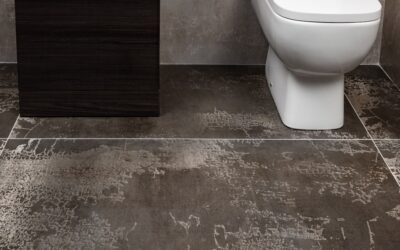
Bathrooms punish the wrong materials, so durability is non-negotiable. For flooring, porcelain or ceramic tile and luxury vinyl plank handle constant moisture far better than laminate or solid wood. Use a quartz countertop, which needs no sealing and resists water and toothpaste stains. Choose a high-quality bathroom-grade paint in satin or semi-gloss so walls resist steam and wipe clean. Proper ventilation with an adequately sized exhaust fan protects all of it from mold.
Lighting That Works
Bad lighting makes a beautiful bathroom feel like a gas station restroom. Layer three types: ambient light from a ceiling fixture, task lighting at the mirror, and optional accent lighting. The best vanity lighting comes from fixtures or sconces placed at the sides of the mirror at face height, which eliminates the harsh shadows cast by a single overhead light. Add a dimmer for evening soaks and a separate, moisture-rated fixture for the shower.
Fixtures and Finishes
Coordinate finishes for a cohesive look without matching everything rigidly. Pick one dominant metal finish, such as brushed nickel, matte black, or brushed brass, and carry it across the faucet, hardware, and lighting. Comfort-height toilets, a single-handle faucet, and a thermostatic shower valve add daily convenience. Splurge on the fixtures you touch every day; save on decorative items you can swap later.
Where to Spend and Where to Save
A smart budget puts money where it counts. Invest in waterproofing behind tile, a quality exhaust fan, and durable surfaces, since failures there are expensive and hidden. Save by keeping plumbing in place rather than relocating it, choosing mid-range tile in a timeless pattern, and refreshing rather than replacing a sound bathtub. These choices protect both your budget and the home’s resale value, since updated bathrooms reliably return strong value.
Popular Design Styles to Consider
Settling on an overall style early keeps your fixture and finish choices coherent. Modern and contemporary bathrooms favor clean lines, floating vanities, large-format tile, and matte black or chrome fixtures. Spa-inspired designs lean on natural stone, warm wood accents, soft neutral palettes, and a freestanding tub for a retreat-like feel. Farmhouse style pairs shiplap, a vintage-look vanity, and an apron sink with classic subway tile. Transitional design, the most broadly appealing for resale, blends traditional warmth with modern simplicity. Pick the one that fits your home’s overall character, then let it guide tile, vanity, and hardware decisions so the finished room feels deliberate rather than assembled piece by piece.
Shower vs. Tub Decisions
One of the biggest design choices is whether to keep a bathtub. In a primary bathroom, a large walk-in shower has become the most-requested feature, and a curbless design with a linear drain looks sleek and improves accessibility. That said, most real estate guidance recommends keeping at least one bathtub in the home for resale, since families with young children expect one. If space allows, a separate tub and shower is ideal; if it doesn’t, a quality tub-shower combo with a glass panel still functions well. Match the decision to who will use the room and your long-term plans for the home.
Designing for Aging in Place
Bathrooms are where most household falls happen, so universal-design features are worth building in even if you’re years from needing them. Blocking inside the walls now lets you add grab bars later without tearing into tile, and reinforced walls cost almost nothing during a remodel. A curbless shower, a handheld showerhead, a comfort-height toilet, and slip-resistant flooring all serve every age group while future-proofing the space. A bench or built-in seat in the shower adds everyday convenience and real safety. These touches make a bathroom usable for decades and broaden its appeal to future buyers.
Ventilation and Mold Prevention
The most overlooked element of bathroom design is also one of the most important: ventilation. A bathroom without adequate airflow becomes a mold farm that destroys paint, grout, and drywall. Size the exhaust fan to the room, roughly 1 CFM per square foot of floor area with a minimum of 50 CFM, and vent it to the outside, never into the attic. Run the fan during showers and for 20 minutes afterward, or install a humidity-sensing fan that does it automatically. Proper ventilation protects every other material you invested in, which is why it belongs in the plan from the start, not as an afterthought.
The Bottom Line
The best bathroom design starts with a smart layout and clearances, builds in discreet storage, and relies on moisture-proof materials like tile, LVP, and quartz. Layer your lighting, coordinate finishes around one metal tone, and spend on waterproofing and ventilation while saving on swappable decor. Get the fundamentals right and the bathroom will look great, function smoothly, and add lasting value to your home.