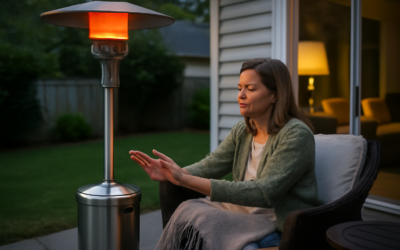
A 40,000 BTU patio heater extends outdoor entertaining by three full months in most of the country, turning October nights and April mornings from miserable into pleasant. Picking the best patio heater for your space comes down to square footage, fuel availability, and whether you care more about instant heat or running cost. The wrong choice means you spend $300 on a heater that cannot warm a picnic table, or runs through a propane tank every weekend.
Part of our Decks & Outdoor guide — explore the full guide →
BTU to Coverage Math
BTU (British Thermal Units per hour) measures heat output, and every outdoor space has a target number. A rough formula for a typical deck or patio in the northern half of the country:
- Small covered patio or 3-person seating area: 20,000 to 30,000 BTU
- Medium uncovered patio (10×12 feet): 40,000 to 46,000 BTU
- Large patio or dining area (14×16 feet): Two 46,000 BTU units or one 50,000+ BTU
- Windy or open areas: Double the BTU to compensate for heat loss
Infrared heaters need fewer BTU for the same felt warmth because they heat objects and people directly rather than the surrounding air.
Fuel Type Breakdown
Propane (Liquid Propane Gas)
Most portable freestanding heaters run on 20-pound propane tanks, the same size used for grills. One tank lasts 10 to 12 hours at full output. Refills cost $18 to $22, or $22 to $28 for new tanks. Pros: portable, no installation, instant heat. Cons: tank swaps, storage space, propane runs out during dinner parties without warning.
Natural Gas
Hard-plumbed into the home’s gas line. Unlimited fuel, lowest running cost, but requires professional installation ($200 to $500 plus permit). Best for permanent patios where you will not move the heater.
Electric
Plug-in or hardwired, usually infrared. No fuel storage, zero emissions, safe under covered patios and enclosed porches where gas is prohibited by code. Heats people, not air, so wind steals less heat.
Top Picks for 2026
Best Overall: Hiland HLDS01-GTSS 87″ Patio Heater
A 48,000 BTU commercial-grade propane heater in stainless steel. Covers about 175 square feet, lights with a single push, and the quartz glass tube adds visible flame for ambiance. Around $230 to $280 at Home Depot or Amazon. Expect 8 to 10 hours of runtime per 20-pound tank.
Best Premium: Fire Sense Pro Series 46,000 BTU
Commercial-duty build with thicker steel and a 5-year warranty. Runs $350 to $400 but survives coastal and freezing climates without rust. The best choice if you plan to leave it outside year-round.
Best Budget: Amazon Basics Commercial 46,000 BTU
Delivers real commercial-grade heat at $170 to $210. Assembly takes 60 minutes and the finish is less durable than premium brands, but for 3-season use on a sheltered patio, it is the clear value pick.
Best Tabletop: AZ Patio Heaters HIL-1821
A 11,000 BTU tabletop heater perfect for a 4-person dining table. Uses a 1-pound propane cylinder for 4 to 5 hours of heat. Around $120. Great for apartment patios or anywhere a full-size heater is overkill.
Best Electric Infrared: Bromic Heating Tungsten Smart-Heat
A 4000W commercial electric heater, hardwired, designed to mount to a wall or ceiling under a covered patio. Runs $800 to $1,100 but delivers restaurant-quality heat with zero emissions. Best long-term value for covered outdoor kitchens.
Best Pyramid Style: Hiland HLDSO1-WGTHG Glass Tube
Triangle pyramid design with a tall glass tube showing the flame. Delivers 40,000 BTU, adds genuine ambiance, and costs around $400. Modern alternative to the classic umbrella-style heater.
What to Look for Before You Buy
- Tip-over shutoff: Essential safety feature. Skip any heater without it.
- Flame-out sensor: Cuts gas if the flame extinguishes. All modern heaters should have this.
- Wheels: A freestanding heater without wheels is a nightmare to move for storage.
- Weighted base: Minimum 15-pound sand capacity for freestanding models to prevent tipping in wind.
- Piezo ignition: Push-button lighting beats matches in the cold.
- CSA or ETL certification: Confirms independent safety testing.
Running Cost Comparison
For a 46,000 BTU heater running 4 hours per night, 3 nights per week, from October through April:
- Propane: $8 to $11 per week ($220 to $290 per season)
- Natural gas: $2 to $3 per week ($55 to $80 per season)
- Electric infrared (4,000W): $3 to $5 per week ($90 to $130 per season)
Natural gas always wins on running cost but requires upfront plumbing investment.
Safety and Clearance Rules
Follow these non-negotiables regardless of which heater you choose:
- Never use gas heaters indoors, in garages, or under fully enclosed awnings. Carbon monoxide kills.
- Maintain 3 feet clearance from walls, furniture, and plants (fire hazard).
- Use on level surfaces only. A tipped gas heater releases raw propane in seconds.
- Store indoors during storms and off-season to extend life by years.
- Inspect propane hoses annually for cracks and replace every 5 to 7 years.
Covered Patios Need Different Choices
A covered patio or partially enclosed space limits options. Propane and natural gas heaters both produce combustion byproducts and require at least 3 feet of overhead clearance. Many municipal codes prohibit freestanding gas heaters under any roof. Switch to wall-mounted electric infrared for these spaces. Bromic and Schwank models are the restaurant-industry choices for exactly this use case.
Care and Storage
Propane heaters last 8 to 15 years with basic care: cover with a waterproof heater cover when not in use, disconnect and store the propane tank in a shaded outdoor space, and wipe the stainless steel with a microfiber cloth monthly to prevent surface rust. Electric units need almost zero maintenance beyond keeping the emitter surface clean.
The best patio heater for your setup comes down to size, fuel, and location. Get the BTU sizing right first, match the fuel to your installation constraints, and buy the sturdiest unit that fits your budget.