Plastic outdoor chairs get a bad reputation from those flimsy, fade-prone stacking chairs that crack after one summer, but the category has come a long way. The best plastic outdoor chairs today are made from heavy-duty resins that rival wood and metal for durability while being lighter, cheaper, and nearly maintenance-free. The trick is knowing which type of plastic you are buying and matching the style to how you will use it. This guide breaks down the materials, styles, and features that separate a chair that lasts from one that ends up in a landfill.
Part of our Windows & Doors guide — explore the full guide →
Not All Plastic Is the Same
The single biggest factor in quality is the type of plastic. Understanding the differences saves you from disappointment:
- HDPE (high-density polyethylene): The premium choice. Often made from recycled material, it is UV-stable, fade-resistant, and extremely durable. Many “poly lumber” Adirondack chairs use HDPE.
- Polypropylene resin: A solid mid-range material, lightweight and reasonably durable, common in modern molded chairs.
- PVC and basic polystyrene: The cheapest option. Prone to fading, cracking, and brittleness in sun and cold. Fine for occasional use, not for daily exposure.
If you want chairs that survive years outdoors, prioritize HDPE or quality resin over bargain PVC.
Popular Styles
Plastic outdoor chairs come in several distinct styles, each suited to a different setting:
Adirondack Chairs
The classic high-backed, slanted-seat lounge chair, now widely made from HDPE poly lumber. These look like painted wood but never need staining, will not rot, and shrug off rain and sun. They are heavier than molded chairs, which keeps them planted in the wind, and they come in a wide range of colors that run through the material.
Stacking Chairs
Lightweight molded chairs that stack for easy storage. Ideal for extra seating at gatherings or for small patios where you need to clear the space. Look for thicker, reinforced resin rather than thin economy versions that flex and crack.
Modern Molded Chairs
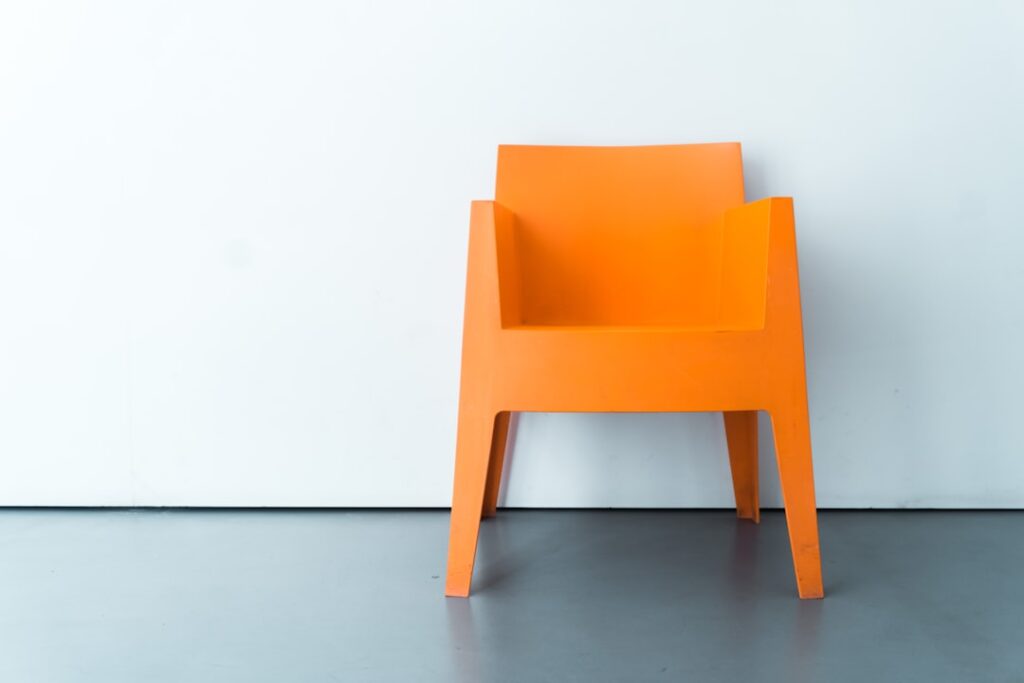
Sleek, single-piece designer-style chairs that bring a contemporary look to a patio. Quality versions use UV-stabilized polypropylene and hold their shape and color well.
Folding Chairs
Plastic-and-metal folding chairs offer portability for events and camping, though the hinges and frame are usually the first parts to fail. Choose models with rust-resistant hardware.
What to Look for in Quality
Beyond the material, these features signal a chair that will last:
- UV stabilizers: Built-in protection against sun fading and brittleness.
- Thick, reinforced construction: Heavier chairs with ribbed or contoured supports resist cracking.
- Weight capacity rating: Look for a stated capacity, typically 250 to 350 pounds for sturdy models.
- Rust-resistant hardware: Stainless or coated screws on assembled chairs.
- Smooth, comfortable contours: Contoured seats and ergonomic backs make a big difference over a flat slab.
Durability and Weather Resistance
The appeal of plastic is that it does not rot, rust, or need refinishing. HDPE chairs in particular can sit outside through rain, snow, and sun for many years with only an occasional wash. Cheaper plastics, by contrast, grow chalky and brittle as UV exposure breaks down the polymer, then crack at stress points.
In very cold climates, low-quality plastic becomes brittle and can shatter under impact, so HDPE’s cold tolerance is another reason it is worth the premium for year-round outdoor use.
Comfort and Cushions
Molded plastic seats vary widely in comfort. Contoured backs and seats with a slight flex are far more pleasant than rigid flat designs. For lounge-style chairs, you can add an outdoor cushion with quick-dry foam and solution-dyed fabric for all-day comfort. Just store cushions out of the rain to prevent mildew.
Care and Cleaning
One of the great advantages of plastic is how easily it cleans. For routine care:
- Rinse with a hose and wipe down with mild soap and water.
- Treat stubborn stains on white chairs with a baking-soda paste or diluted oxygen cleaner.
- Avoid abrasive scrubbers that scratch the surface and trap dirt.
- Store lightweight chairs or secure them in high winds so they do not blow away.
Budget Expectations
Prices vary with material and style. Basic stacking and molded chairs run $15 to $50 each. Quality resin chairs land around $40 to $100. Premium HDPE Adirondack and poly-lumber chairs typically cost $100 to $300 each, reflecting their longevity. Spending more on HDPE up front usually costs less over time than replacing cheap chairs every couple of seasons.
Choosing the Right Chair
Decide first how you will use the chairs: occasional event seating points toward affordable stacking chairs, while a daily-use patio deserves durable HDPE. Match the style to your space, confirm the chair has UV protection and a solid weight rating, and prioritize the plastic type above all. Get those choices right and plastic outdoor chairs deliver years of low-maintenance, comfortable seating at a friendly price.
Plastic vs. Other Outdoor Chair Materials
It helps to see how plastic stacks up against the alternatives. Compared with wood, plastic never needs staining or sealing and will not rot, though premium teak outlasts everything if you maintain it. Against metal, plastic will not rust and is far lighter, but metal chairs feel sturdier and stay put in wind. Compared with woven natural rattan, all-weather resin wicker delivers a similar look without the rapid breakdown of organic fibers outdoors.
For most homeowners who want affordable, easy-care seating, quality plastic, especially HDPE, hits a sweet spot of durability, low maintenance, and price that the other materials struggle to match.
Color and Style Longevity
Because color runs through HDPE and quality resin rather than sitting on a painted surface, these chairs hold their look far longer than coated metal or stained wood. Classic shades like white, gray, black, and natural tones tend to stay relevant, while you can have fun with bold colors knowing the pigment will not chip.
If you expect to keep the chairs for many years, neutral colors give you the most flexibility to refresh cushions and surrounding decor over time without the chairs looking dated.
Smart Shopping Tips
A few habits help you buy well. Read the product details for the specific plastic type rather than assuming, and favor listings that mention UV stabilization and a stated weight capacity. Check reviews specifically for comments about cracking, fading, and wobble after a season or two, since those reveal real durability. If buying assembled chairs, look for replaceable hardware so a stripped bolt does not end the chair’s life.
Finally, buy for your actual use. A handful of inexpensive stacking chairs makes sense for occasional overflow seating, while a primary patio set deserves the investment in durable HDPE that will still look good many summers from now.