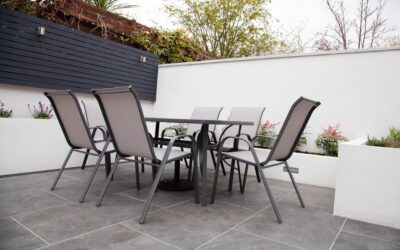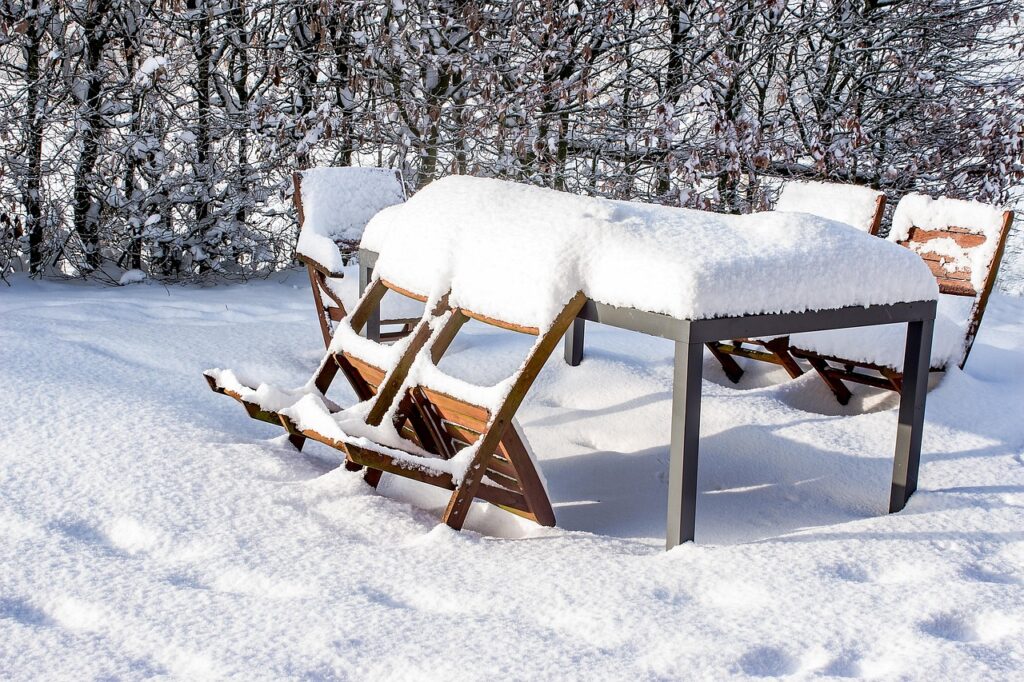
An outdoor dining set lives the hardest life of any furniture you own, baking in summer sun, soaking in spring rain, and freezing through winter. Choosing the best outdoor table and chairs comes down to matching the material to your climate, your maintenance tolerance, and your budget. A $300 steel set that rusts in two seasons is no bargain, and a $4,000 teak set is overkill for an apartment balcony. This guide breaks down every major material, the right size for your space, and specific sets worth your money.
Part of our Windows & Doors guide — explore the full guide →
Materials That Define Durability
The frame material decides how the set holds up and how much upkeep it demands. Each has clear strengths and trade-offs.
- Teak: The gold standard. Naturally weather-resistant oils mean decades of life; weathers to a silver-gray unless oiled. Pricey at $1,500 to $5,000 a set.
- Powder-coated aluminum: Rust-proof, lightweight, and low-maintenance. Mid-priced and ideal for most climates.
- All-weather (HDPE) wicker: Synthetic resin over an aluminum frame; mimics rattan without rotting. $500 to $2,000.
- Wrought iron: Heavy and stable in wind, but needs rust touch-ups every few years.
- Eucalyptus and acacia: Affordable hardwoods; durable with annual oiling.
Avoid cheap tubular steel unless it carries a quality powder coat, since exposed steel rusts fast in humid or coastal air.
Sizing the Set to Your Space
Buy for the space you have, not the dinner party you imagine. A general rule allows 24 inches of table edge per person and at least 36 inches of clearance behind each chair for movement.
A four-seat bistro set needs roughly a 7 by 7 foot footprint. A six-seat rectangular set wants about 10 by 12 feet. Round tables seat people more sociably in tight spaces, while rectangular tables suit longer, narrower patios. Measure your area and tape out the footprint before buying.
Comfort Features Worth Paying For
A beautiful set you never want to sit in is a waste. Chair ergonomics matter as much as looks. Contoured seats, a slight back recline, and armrests make long meals far more comfortable.
Cushions should use quick-dry foam wrapped in solution-dyed fabric like Sunbrella, which resists fading and mildew. Skip cheap foam that holds water for days. If a set includes cushions, check whether replacements are available, since the fabric usually wears out long before the frame.
Top Picks by Budget
Here are reliable sets across price tiers, each a strong value in its range.
- Budget under $500: Christopher Knight Home acacia or HDPE sets; solid build, easy assembly.
- Mid-range $500 to $1,500: Hampton Bay and Better Homes & Gardens powder-coated steel or wicker sets from major retailers.
- Premium $1,500 to $3,000: Polywood (recycled HDPE lumber) dining sets, near-indestructible and fade-resistant.
- Heirloom $3,000+: Genuine teak from brands like Teak Warehouse or Smith & Hawken-style makers.
Polywood deserves special mention; it never needs sealing, resists splinters and rot, and carries warranties up to 20 years.
Climate Considerations
Your weather should steer the decision. In coastal and humid regions, aluminum and HDPE shrug off salt and moisture that destroy steel and untreated wood. In intense desert sun, look for fade-resistant finishes and UV-stable resin.
Where winters are harsh, a lighter aluminum or folding set is easy to store in a garage, while heavy iron or teak can usually stay out under a quality cover. No material is fully maintenance-free, but matching it to your climate cuts your upkeep dramatically.
Care That Extends the Life
A few habits keep any set looking new for years. Wipe frames down a couple times a season with mild soap and water. Oil teak and acacia annually if you want to preserve the warm color rather than letting it gray.
Store cushions indoors or in a deck box when not in use, and invest in a fitted, breathable cover for the off-season. Tighten chair hardware once a year, since outdoor temperature swings loosen bolts over time. Treat the set well and even a mid-range purchase can serve a decade or more.
Table Shapes and Seating Styles
Beyond material, the table shape shapes how the set functions. Rectangular tables seat the most people and suit long, narrow patios, but the end seats can feel isolated. Round tables foster conversation and fit tight or square spaces, though they seat fewer for the same footprint. Square tables work well for four and tuck neatly into corners.
Chair style matters too. Dining chairs with arms are more comfortable for lingering meals but take more space, while armless chairs slide fully under the table to save room. Stackable or folding chairs make off-season storage easy. Counter-height or bar-height sets create a more casual, social vibe for entertaining.
Assembly and What to Expect
Most outdoor sets arrive flat-packed and require assembly, so factor that into your decision. Aluminum and HDPE sets typically go together in 30 to 90 minutes with the included hardware. Heavier wrought-iron and teak sets can take longer and benefit from a second person.
Check whether the set ships fully assembled, which some premium brands offer for an upcharge. Keep the hardware kit and instructions, since outdoor furniture loosens over time and you will want to re-tighten bolts each season. A quick check of the assembly reviews tells you whether a particular set is a smooth build or a frustrating one.
Making the Final Choice
The best outdoor table and chairs for you is the one that survives your specific climate with the maintenance you are actually willing to do. For low-effort longevity, powder-coated aluminum or Polywood is hard to beat. For timeless looks and you do not mind the price, teak is unmatched. Size it to your patio, prioritize comfortable seating, and protect your investment with covers, and you will enjoy that set through many seasons of outdoor meals.