
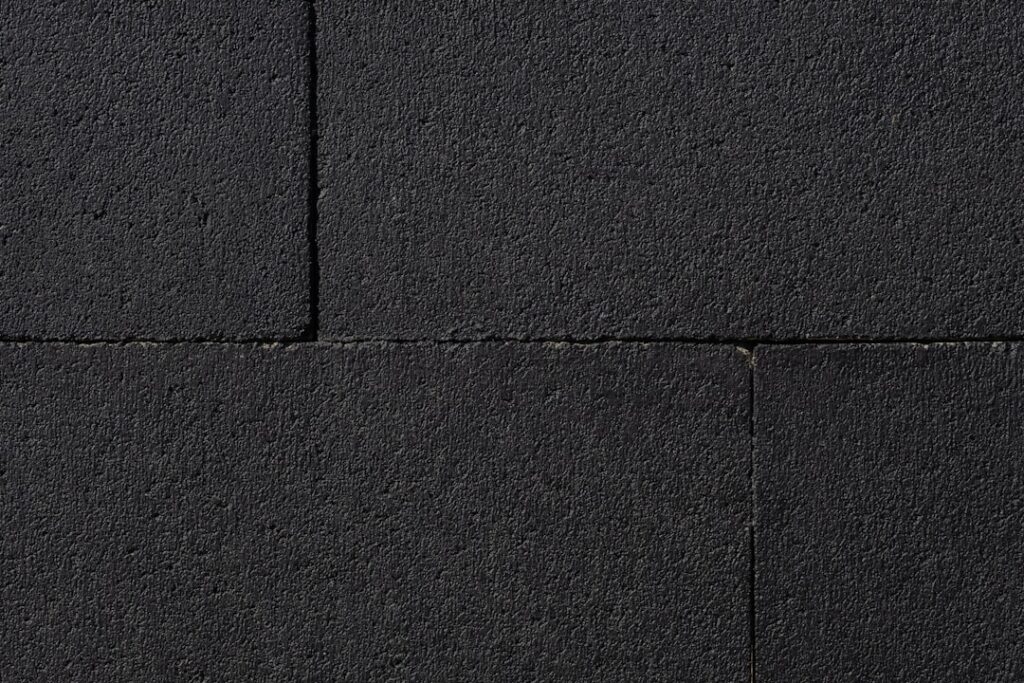
Black herringbone tile is what you install when you want the floor or wall to be the star of the room. The herringbone layout already carries a sense of craftsmanship and movement, and rendering it in black turns that into pure drama, think moody powder rooms, statement fireplace surrounds, and bold entryways that stop people at the door. It is a confident choice, and pulling it off cleanly comes down to layout, grout, and knowing where the pattern earns its keep. Here is the playbook.
Part of our Tile & Grout guide — explore the full guide →
- Why the Herringbone Pattern Hits So Hard in Black
- Layout Angles and Install Considerations
- Grout Contrast: The Decision That Defines the Look
- Finishes and Materials
- Best Places to Use It
- Tile Shape and Proportion
- Estimating Material and Waste
- Care and Keeping It Sharp
- Pairing It With Surrounding Finishes
- Making the Statement Work
Why the Herringbone Pattern Hits So Hard in Black
Herringbone arranges rectangular tiles in an interlocking V, creating diagonal energy that draws the eye across the surface. In lighter colors that movement is elegant but subtle. In black, the pattern’s zigzag geometry reads graphic and architectural, almost like a piece of art laid into the floor. The dark field also makes the layout itself the focal point, since color is not distracting from the shape. That is exactly why designers reach for black herringbone when a room needs a single powerful gesture rather than a busy mix of finishes.
Layout Angles and Install Considerations
How you orient the pattern changes the whole effect, and this is a layout where precision is non-negotiable.
- 45-degree herringbone: The classic diagonal. Feels dynamic and makes a small room read larger.
- 90-degree (straight) herringbone: Runs parallel to the walls for a cleaner, more contemporary feel.
- Double herringbone: Pairs tiles before turning, scaling the pattern up for large rooms.
Because every tile turns, herringbone is more labor-intensive than a straight lay, and small setting errors compound fast. Dry-lay the pattern first, snap precise reference lines, and use tile leveling clips to prevent lippage. With long thin tiles especially, a professional install often pays for itself in a crisp result.
Grout Contrast: The Decision That Defines the Look
Grout choice completely rewrites how black herringbone reads, so decide the mood first.
- Black or charcoal grout: Near-seamless. The pattern reads as a solid dark surface with the herringbone only whispering, sophisticated and moody.
- Gray grout: Moderate contrast. The V-shapes become clearly visible without shouting, a balanced favorite.
- White or light grout: Maximum drama. Every tile is outlined, turning the floor into a bold graphic statement, though light grout on a floor needs sealing and regular cleaning to stay sharp.
Finishes and Materials
Black herringbone comes in several materials, each with a different personality. Matte porcelain is the practical all-star, hiding smudges and offering grip for floors. Glossy ceramic amps up the glamour on walls and backsplashes, catching light along every tile. Marble-look and slate-look black tiles add natural veining or texture for depth. For floors, prioritize a matte or textured finish with a DCOF of 0.42 or higher, since a high-gloss black floor is both slippery when wet and quick to show every footprint and speck of dust.
Best Places to Use It
Black herringbone shines brightest as a feature rather than a whole-house floor. Powder rooms are ideal, small enough that the drama feels like a jewel box. It makes a striking kitchen or fireplace backsplash, a bold entry or foyer floor, and a luxurious shower accent wall. Be a little cautious in very small, low-light rooms where an all-black floor can feel like it shrinks the space, and balance it with lighter walls, good lighting, and metallic or wood accents so the room feels rich rather than heavy.
Tile Shape and Proportion
Herringbone is built from rectangles, and the ratio of those rectangles changes the whole personality of the pattern. A classic 2-to-1 ratio, such as a 2×4 or 3×6 tile, gives the tight, traditional zigzag most people picture. Longer, skinnier tiles like 2×8 or 3×12 stretch the V-shapes into a more dramatic, elongated pattern that reads modern and bold in black. Very large planks create an oversized herringbone that suits big rooms but can overwhelm a small powder room. When in doubt, dry-lay a few rows in the actual space and step back, because herringbone always looks different installed than it does in a single sample tile.
Estimating Material and Waste
Herringbone generates more cuts than a straight lay, especially along the walls where every course ends in an angled trim piece. That means more waste, so order extra. Where a standard installation might need 10 percent overage, plan on 15 to 20 percent for herringbone to cover the angled cuts and the occasional broken tile. Buy it all from one production lot so the black stays consistent, since even solid colors can vary subtly between batches. Keep a handful of spare tiles after the job for future repairs, because matching a discontinued black tile years later is nearly impossible.
Care and Keeping It Sharp
A black floor or wall shows dust, lint, and water spots more than lighter colors, so a matte finish and regular light cleaning keep it looking its best. Sweep or dry-mop often to lift the fine debris that stands out against black, then damp-mop with a pH-neutral cleaner. If you chose a light grout for contrast, seal it and wipe spills promptly so the joints stay crisp rather than graying unevenly. On glossy black tile used as a backsplash or accent wall, a quick buff with a microfiber cloth restores the reflective shine that makes the herringbone pattern pop.
Pairing It With Surrounding Finishes
Because black herringbone is such a strong focal point, the surrounding materials should let it lead. In a bathroom, pair a black herringbone floor with white or light walls and a wood vanity to keep the space from feeling closed in, and add brass or matte black fixtures to echo the drama. As a fireplace surround, black herringbone reads sophisticated against a lighter mantel and wall color. For a kitchen backsplash, balance it with lighter cabinets and counters so the pattern pops rather than disappears. Warm metals like brass and gold flatter black beautifully and lend an Art Deco richness, while chrome and matte black keep the look crisp and modern. Good lighting is essential, since black absorbs light and a well-lit room lets the herringbone geometry read clearly instead of flattening into a dark mass.
Making the Statement Work
Black herringbone tile delivers unforgettable, high-design impact when the layout is precise and the grout matches your intended mood. Choose your angle for the room, decide whether you want the pattern to whisper or shout through grout contrast, and stick to matte or textured finishes on floors for safety and easy upkeep. Use it as a focal feature, light the space well, and this bold pattern becomes the detail guests remember long after they leave.
Prefer to explore on your own?
See how new flooring looks in your actual room in seconds — free, no signup.
Try the free Floor Studio →

