Renters and DIYers love peel-and-stick tile for one obvious reason: no thinset, no grout float, no wet saw, and no contractor. Blue peel and stick tile takes that easy installation and adds a color that genuinely transforms a space — from soft coastal sky blue to deep navy and bold cobalt. Press it onto a clean wall and you have a backsplash or accent in an afternoon. It is not a forever-grade material, but for a fast, affordable, renter-friendly refresh, few products deliver more visual impact for less effort.
Part of our Tile & Grout guide — explore the full guide →
What Peel and Stick Tile Is
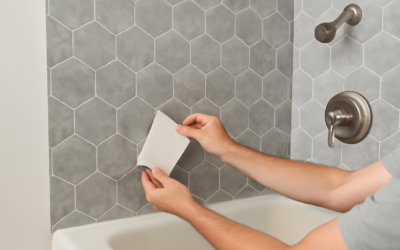
Peel-and-stick tiles are self-adhesive panels backed with a strong adhesive layer. You peel off the protective film and press the tile directly onto a clean, smooth surface — no mortar, no grouting, no special tools beyond a utility knife or scissors to cut them. They come as individual tiles or mosaic-style sheets that mimic the look of real tile, complete with faux grout lines.
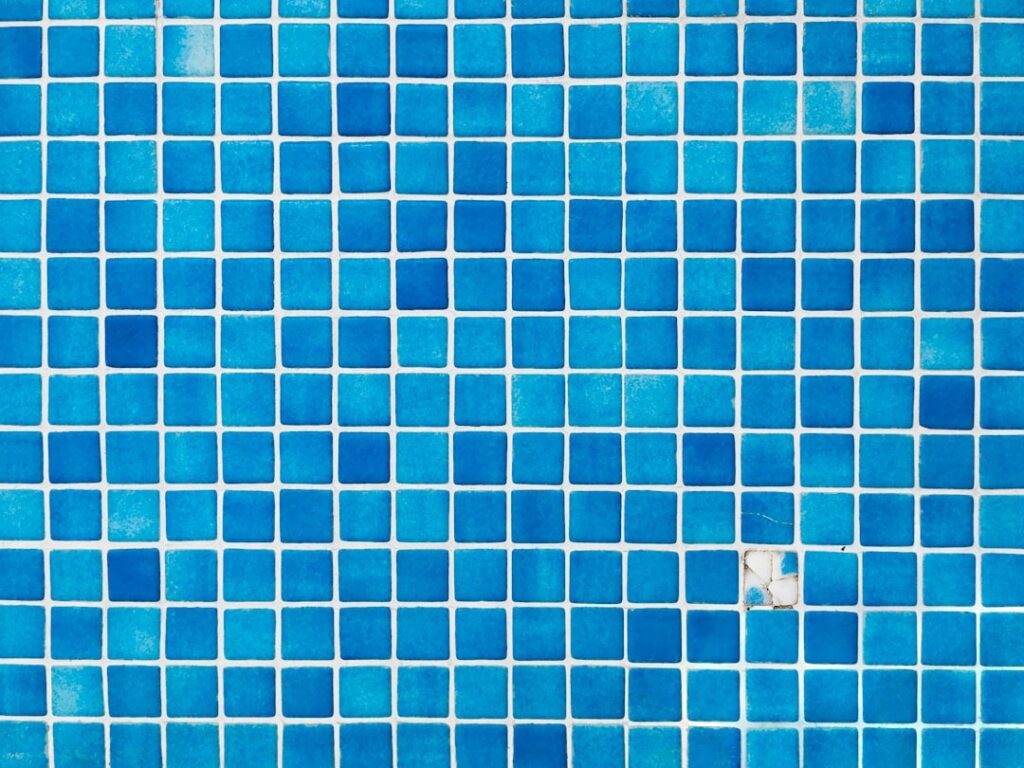
The blue versions span the full range of the color, so you can match a coastal palette, a moody navy kitchen, or a bright pop of cobalt. The realism of the better products surprises people — from a few feet away, a quality gel or metal peel-and-stick reads convincingly like the real thing.
Types and Materials
Not all peel-and-stick tile is the same, and the material affects both looks and durability.
- Gel and 3D vinyl: raised, glossy tiles with a dimensional gel surface that looks remarkably like glass or ceramic. Soft, forgiving, and good for backsplashes.
- Vinyl and PVC: flat printed tiles, the most affordable and the easiest to cut. Patterns range from subway to mosaic to Moroccan.
- Metal and aluminum-backed: a thin metal surface for a more premium, durable feel, often used in kitchen backsplashes.
- Stone and composite: real stone or stone-composite chips on an adhesive backing for the most authentic texture, at a higher price.
Where Blue Peel and Stick Tile Works Best
These tiles shine in dry-to-moderate areas where the surface is smooth and the wear is light. The classic uses are kitchen and bathroom backsplashes, where a blue tile behind the counter or sink adds color exactly where you want a focal point.
Beyond backsplashes, they work as accent walls, laundry-room refreshes, the back of a bookshelf, and even stair risers. They are ideal for rentals because many peel cleanly off later, letting you personalize a space without breaking a lease. They are not, however, a substitute for real tile in showers, behind a stove with high heat, or in any spot with constant water exposure.
Surface Prep Matters More Than You Think
The whole system depends on adhesion, and adhesion depends on a clean, smooth, dry surface. The adhesive grips best on non-porous, even walls — painted drywall in good condition, existing smooth tile, or laminate. Textured walls, fresh paint, and dusty surfaces are the enemy.
Before you start, clean the wall thoroughly with a degreaser to remove kitchen grease, cooking residue, and dust, then let it dry completely. Wipe down with rubbing alcohol for a final clean surface. If the wall was recently painted, give the paint a few weeks to cure fully, or the tiles will pull it off later. On heavily textured walls, peel-and-stick will not adhere well, so skim-coat or skip those surfaces.
Step-by-Step Installation
This is one of the most genuinely beginner-friendly projects in home improvement.
- Plan your layout and find the center of the wall so cut tiles land symmetrically at the edges.
- Mark a level line as a guide — getting the first row straight is the whole game, since everything builds off it.
- Peel the backing off the first tile and press it firmly along your level line, smoothing from the center outward to push out air.
- Work outward, lining up the faux grout edges so the pattern flows continuously across tiles.
- Cut edge and outlet tiles to fit with a sharp utility knife and a straightedge.
- Press every tile down hard, especially the edges, to lock the adhesive.
Take your time on that first level row. A crooked start compounds across the wall, and there is no grout to hide the drift.
Durability and Limitations
Quality peel-and-stick tile holds up well in the right spot, lasting years on a clean backsplash with light traffic. But it has real limits. Heat is the main one — keep it away from the immediate area behind a stovetop and out of direct contact with high temperatures, since heat softens the adhesive. Heavy moisture and steam can creep behind edges over time, so a kitchen backsplash is fine while a shower surround is not.
The adhesive also weakens in extreme temperature swings, so unconditioned spaces are a gamble. Treat peel-and-stick as a great-looking, budget refresh rather than a permanent, waterproof installation, and you will be happy with it.
Cleaning and Maintenance
Upkeep is simple. Wipe the tiles with a damp cloth and a mild cleaner; gel and vinyl surfaces clean easily and resist everyday splashes. Avoid abrasive scrubbers and harsh solvents that can dull or lift the surface. Check the edges periodically and press down any corner that starts to lift before water can get behind it. With basic care, a blue backsplash stays bright and clean for years.
Styling With Blue Tile
Blue is a forgiving, friendly color that works across styles. Soft sky and seafoam blues lean coastal and calming, pairing with white cabinets and natural wood. Deep navy and cobalt bring drama and modern edge, looking sharp against brass hardware and warm countertops. A patterned blue-and-white Moroccan or mosaic peel-and-stick adds boho character to an otherwise plain kitchen.
Keep the rest of the palette calm if the tile is bold, and let the blue be the star. As an accent wall or a single backsplash run, a strong blue reads intentional; sprawled across too many surfaces, it can overwhelm a small room.
Is It Right for Your Project
For a fast, affordable, renter-friendly way to add color and the look of real tile, blue peel and stick tile is tough to beat. It installs in an afternoon with no special tools, costs a fraction of real tile and professional labor, and many versions remove cleanly when you move. Respect its limits around heat and water, prep the surface honestly, and start with a dead-level first row — do that, and you get a backsplash that looks far more expensive than it was.
Prefer to explore on your own?
See how new flooring looks in your actual room in seconds — free, no signup.
Try the free Floor Studio →