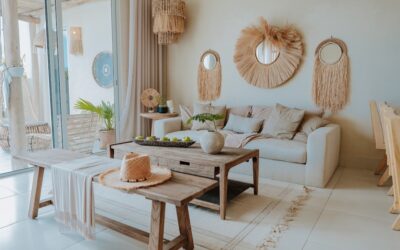
The bohemian look has staying power because it breaks the rules everyone else follows: mismatched patterns, layered textures, warm earthy colors, and a lived-in ease that feels collected rather than decorated. At the center of it all is the rug. A boho living room rug anchors the whole scheme, setting the color palette and the mood before you add a single pillow or plant. Get the rug right and the rest of the room falls into place; get it wrong and even the best furniture feels flat. This guide covers the styles, materials, sizing, and layering tricks that make a boho rug work in a real living room, not just a styled photo.
If you want that relaxed, globally-inspired warmth without your space looking chaotic, the choices below are where it starts.
What Makes a Rug Read as Boho
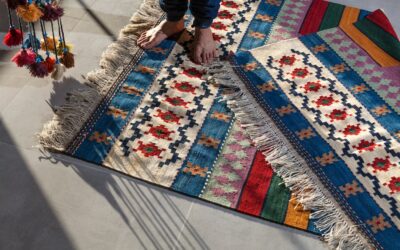
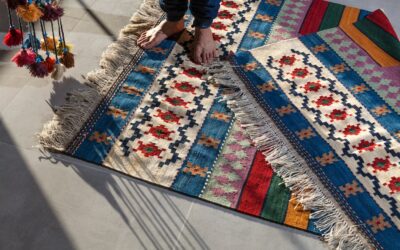
Boho style borrows from many traditions, so there is no single boho rug. Instead, a handful of qualities signal the look: warm and earthy or richly saturated colors, tribal and geometric or medallion patterns, visible texture, and a slightly worn, vintage feel. Faded reds, terracotta, mustard, indigo, cream, and deep browns all appear often, sometimes on one rug.
- Vintage and distressed rugs: Persian and Turkish-inspired designs with a faded, sun-washed patina.
- Moroccan styles: plush shag or diamond-lattice patterns, often cream with dark linework.
- Kilim and flatweave: bold geometric patterns in earthy tones, thin and reversible.
- Natural fiber: jute and wool for texture-forward, neutral boho rooms.
The unifying thread is a sense of soul and history. A boho living room rug should look like it has a story, even if you bought it new last week.
Choosing Colors That Anchor the Room
Because boho leans on layering, the rug usually sets the palette everyone else follows. You have two workable strategies. The first is a bold, patterned statement rug in saturated colors that becomes the room’s focal point, with furniture and walls kept neutral so they do not compete. The second is a more neutral base rug, a faded cream Moroccan or a natural jute, that lets you pile on colorful pillows, throws, and poufs on top.
Both work; the mistake is choosing a loud rug and then adding equally loud everything else, which turns cozy into cluttered. Decide whether the rug is the star or the stage, and build the rest of the room to match that decision.
The Art of Layering Rugs
Layering is arguably the most recognizable boho move. It adds depth, texture, and that collected-over-time feeling in a single step. The classic approach is a large neutral base rug, often a natural jute or a simple flatweave, with a smaller patterned or vintage rug layered on top, angled or centered under the coffee table.
The base rug should be large enough to hold your furniture arrangement, while the top rug is the personality piece. Mixing textures matters here: a soft wool vintage rug over a coarse jute base reads intentional, while two similar rugs stacked can look like a mistake. Keep the top rug flat and use a rug pad between the layers so nothing slides. This technique also lets you rescue a too-small statement rug by giving it a larger base to sit on.
Getting the Size Right
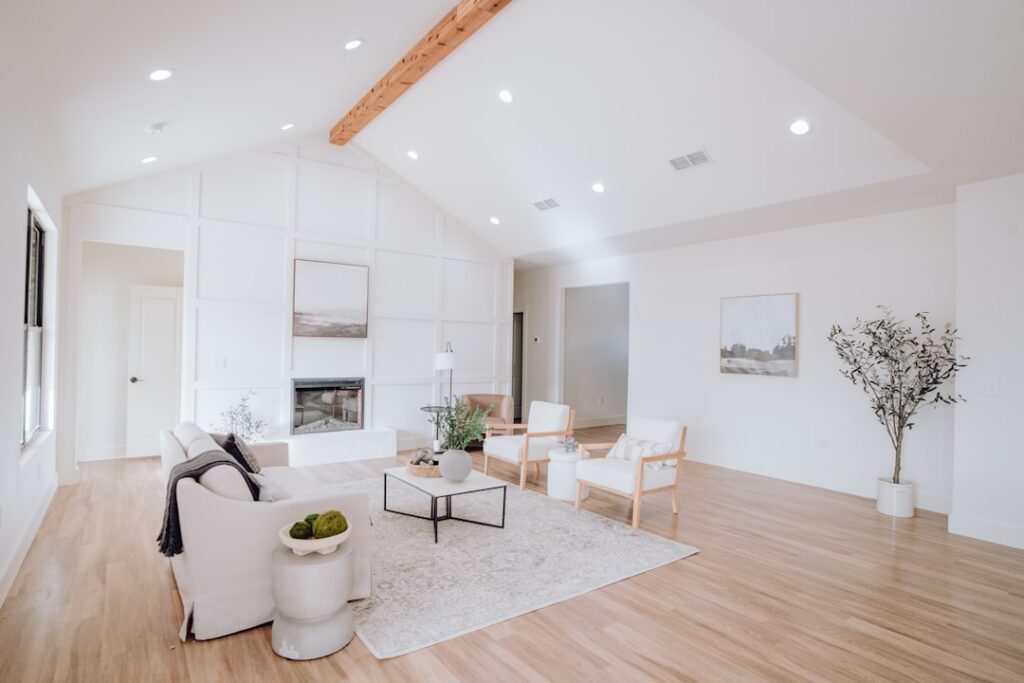
Boho rooms feel casual, but the rug still needs to be sized correctly or the whole space looks off. In most living rooms, aim for a rug large enough that at least the front legs of your sofa and chairs sit on it, which pulls the seating together. A rug that floats in the middle with all the furniture off it is the single most common sizing error.
For an average living room, an 8 by 10 or 9 by 12 rug usually does the job, with the larger size letting all furniture legs land fully on the rug for the most grounded look. If you are layering, size the base rug to the room and let the top rug be smaller. When in doubt, go bigger; a slightly oversized rug almost always looks better than one that is too small.
Materials and Durability
Match the material to how the room is used. Wool is the boho favorite for good reason: it is soft, durable, naturally stain-resistant, and it takes rich dyes beautifully, which is why so many vintage and Moroccan rugs are wool. It costs more but lasts for decades and only looks better with age. For budget-friendly options, machine-made polypropylene rugs mimic the vintage look convincingly, resist stains, and clean easily, making them practical for homes with kids and pets.
Natural fibers like jute add texture and work well as layering bases, but they do not handle moisture, so keep spills in check. Cotton flatweaves and kilims are washable and affordable but thinner, so they benefit from a pad underneath for comfort and grip.
Caring for a Boho Rug
Because boho rugs often carry rich colors and vintage character, a little care keeps them looking their best for the long haul. Vacuum regularly to lift the grit that dulls and wears fibers, using a lower suction or turning off the beater bar on delicate flatweaves and vintage wool so you do not fray the pile. Rotate the rug every few months so it wears and fades evenly, which matters especially where sunlight hits part of the room.
For spills, blot immediately rather than rubbing, and treat wool with gentle, wool-safe cleaners rather than harsh chemicals that can strip natural dyes. Genuine vintage and hand-knotted rugs benefit from occasional professional cleaning, while machine-made polypropylene versions often tolerate a good spot clean or even a hose-down. A quality rug pad underneath does double duty here too, cushioning the rug, preventing slips, and reducing the crushing wear of foot traffic so your boho living room rug ages into that desirable lived-in patina instead of simply wearing out.
Building the Rest of the Boho Look
Once the rug is down, the room comes together through accumulation. Pull two or three colors from the rug and echo them in pillows, throws, and art so the palette feels cohesive rather than random. Add texture everywhere: a chunky knit throw, a rattan chair, macrame, and plenty of plants. Layer in natural materials like wood, rattan, and clay pots to reinforce the earthy, handmade feeling.
The goal is a room that feels gathered over time, warm and personal, never matched from a showroom. A boho living room rug gives you the color story and the texture to build on, and because the style celebrates imperfection and mixing, it is one of the most forgiving looks for a homeowner decorating on a real budget. Start with a rug you genuinely love, size it generously, layer if you can, and let the room grow around it.