Bohemian style is built on warmth, texture, and a collected-over-time feeling that no single trend can capture — and the wall color is where it all begins. The right boho paint colors set a grounded, earthy stage for the layered rugs, rattan, macramé, and greenery that define the look, while the wrong ones fight the eclectic mix and make it feel chaotic instead of curated. Boho palettes lean on colors drawn from nature: sun-baked clay, desert sand, deep greens, and spiced ochres. This guide walks through the shades that anchor a bohemian room, how to combine them, and the finishes and techniques that complete the effect.
Part of our Paint & Walls guide — explore the full guide →
What Defines a Boho Palette
Bohemian color is warm, earthy, and unpretentious. It borrows from landscapes — terracotta deserts, olive groves, spice markets, and sandy beaches — rather than from cool modern minimalism. The palette tends to be layered and slightly imperfect, mixing several related earth tones rather than sticking to one crisp accent. Neutrals in a boho room are warm, never cool gray, and the accents pull from muted, saturated naturals like rust, mustard, and forest green. The overall feeling should be cozy, collected, and relaxed, as if the room grew richer over years of travel and finds.
The Best Boho Paint Colors
These shades form the backbone of a bohemian palette. Mix and layer them rather than choosing just one.
- Terracotta and clay — the quintessential boho color, warm and earthy. Try Benjamin Moore Audubon Russet or a soft SW Cavern Clay for a sun-baked accent wall.
- Warm sand and oat — creamy, warm neutrals like SW Accessible Beige or BM Manchester Tan that let bold textiles shine.
- Olive and sage green — earthy greens such as BM October Mist or SW Evergreen Fog bring the outdoors in.
- Mustard and ochre — a spiced golden yellow for a daring accent wall or a niche, evoking warmth and spice.
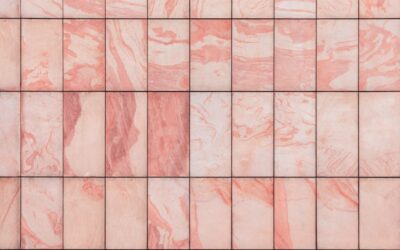
- Muted terracotta pink and dusty rose — softer warm tones that add a gentle, feminine layer.
- Deep forest and jewel green — a moody, saturated green for an enveloping bedroom or reading nook.
For most rooms, a warm sand or oat neutral on the main walls with a terracotta or olive accent wall captures the boho feel without overwhelming the space.
Building a Layered Boho Palette
Boho style thrives on multiple related tones working together rather than a single color with one accent. Think in layers. Start with a warm neutral base on the majority of the walls, then introduce two or three earthy accents through a feature wall, an arch, or an adjacent room. The colors should share a common warmth so they feel like a family. A palette of warm sand walls, a terracotta accent, olive textiles, and mustard pillows reads cohesive because every color is grounded in earth tones.
A gentle guideline is to keep roughly 60 percent of the room in your warm neutral, 30 percent in a secondary earth tone through larger elements, and 10 percent in your boldest accent — the mustard or deep rust. This keeps the layered look from tipping into visual clutter.
Accent Walls and Painted Arches
Boho interiors love a painted arch — a rounded shape painted in terracotta or ochre behind a bed, a plant shelf, or a gallery wall. It adds architectural interest and that handmade, collected quality without any construction. All you need is a pencil, a string compass or a large round object to trace the curve, painter’s tape, and a sample pot of your accent color. A single accent wall in deep clay or forest green behind the sofa is another easy way to introduce boldness while keeping the rest of the room light and airy.
Choosing the Right Finish
Finish reinforces the earthy, handmade quality boho style is after. A flat or matte finish is almost always the right call — it gives colors a soft, chalky, sun-faded depth that suits the aesthetic and hides wall imperfections, adding to the relaxed, lived-in feel. Limewash and mineral paints take this even further, creating the mottled, cloudy texture of old plaster walls that boho rooms adore; brands like Portola and Bauwerk make true limewash finishes that add genuine texture. For high-traffic areas, an eggshell keeps the softness while allowing cleaning. Save any sheen for trim, which boho rooms often keep minimal or paint the same color as the walls for a seamless, cocooning effect.
Colors and Materials That Complete the Look
Paint sets the stage, but boho style comes alive through pairings. Warm earth-tone walls beg for natural materials — rattan and cane furniture, jute and wool rugs, wooden beads, terracotta pots, and unlacquered brass. Layer in greenery; plants are practically a boho requirement, and their living green pops against terracotta and sand walls. Textiles carry much of the color, so let your walls stay warm and grounded while pillows, throws, and wall hangings bring pattern and saturated accents. Woven baskets, macramé, and vintage finds add the collected texture that makes the palette feel authentic rather than staged.
Testing Before You Commit
Earthy warm colors, especially terracotta and ochre, shift noticeably with light, so testing is essential. Buy sample pots for $5 to $8 and paint generous two-foot squares on at least two walls — one bright, one shaded. Live with them for two or three days, checking morning, afternoon, and evening, since a warm clay can look orange at noon and richly muted at dusk. If you’re considering limewash, test it too, as its mottled effect looks different applied over a large area than on a small patch. A typical room needs two gallons for two coats, running $60 to $120 in standard paint, more for specialty limewash.
Boho Colors Room by Room
A bohemian palette adapts to every room, though each space calls for a slightly different balance of warmth and boldness. In the living room, warm sand or oat walls with a terracotta accent create the collected, layered feel boho is known for, giving your rugs, plants, and textiles room to shine. Bedrooms can lean moodier and more enveloping — a deep forest green or a rich clay on all four walls turns the space into a restful, cocooning retreat.
For a boho bathroom, a muted terracotta or dusty rose paired with brass fixtures and a woven basket or two feels like a desert spa. Home offices and reading nooks are perfect spots for a bolder ochre or mustard accent wall that energizes the space without overwhelming a whole room. Entryways and hallways, often overlooked, are ideal for a warm limewash finish that greets guests with texture and warmth. The through-line in every room is warmth and earthiness — keep the neutrals warm, the accents drawn from nature, and the overall feeling relaxed and collected.
Common Boho Palette Mistakes
Bohemian style looks effortless, but it’s easy to tip from collected into chaotic. A few common missteps are worth avoiding to keep the look intentional.
- Using cool grays or blue-whites — cool tones fight the warm, earthy foundation boho depends on and make the whole palette feel disjointed. Keep every neutral warm.
- Too many bold colors at once — boho layers earth tones, but a wall of terracotta, a wall of mustard, and a wall of green competing in one room reads busy. Anchor with neutrals and let one or two accents lead.
- Choosing a high-gloss finish — sheen kills the soft, sun-faded, handmade quality boho is after. Stick to flat, matte, or limewash.
- Forgetting texture — flat paint alone can look plain; boho comes alive through limewash, natural materials, and layered textiles against the color.
- Overmatching — boho is collected, not coordinated. A palette that’s too perfectly matched loses the eclectic, gathered-over-time soul of the style.
Keep the base warm, limit the bold accents, choose a matte finish, and layer in real texture, and your boho palette will feel curated and authentic rather than staged or cluttered.
Final Thoughts
The best boho paint colors are warm, earthy, and drawn from nature — terracotta, sand, olive, ochre, and deep green layered into a cohesive, collected palette. Anchor the room with a warm neutral, add earthy accents through a feature wall or painted arch, and choose a flat or limewash finish for that soft, sun-faded depth. Then let natural materials, greenery, and richly patterned textiles complete the look. Build the palette thoughtfully and your space will feel warm, relaxed, and full of character — exactly what bohemian style is all about.