A boho runner rug is one of the easiest ways to bring personality, warmth, and texture into the narrow, often-overlooked spaces of your home. Whether you are dressing up a long hallway, softening a galley kitchen, or anchoring the foot of a staircase, the right runner pulls a room together without the commitment of a wall-to-wall change. Bohemian style thrives on layered patterns, earthy tones, and a relaxed, collected-over-time feeling, and a well-chosen runner delivers all of that in a footprint as slim as 2 feet wide.
This guide walks you through everything you need to make a confident purchase: how to measure, which materials hold up best, how to read color and pattern, and how to keep your rug looking good for years. By the end, you will know exactly what to look for and what to skip.
What Makes a Rug “Boho”?
Bohemian design borrows from global textile traditions, so a boho runner rug usually features one or more of the following: intricate medallions, diamond lattices, tribal motifs, fringed or tasseled ends, and a worn, vintage-washed finish. Color palettes lean warm and grounded, think terracotta, rust, ochre, faded indigo, sage, and cream, though brighter jewel tones show up in Moroccan and kilim-inspired designs.
The look is intentionally imperfect. Slight color variation, distressed pile, and asymmetrical patterns are features, not flaws. That forgiving aesthetic is part of why these rugs work so well in high-traffic zones: minor wear and the occasional spill blend right into the design rather than standing out.
Choosing the Right Size
Runners are long, narrow rugs, typically 2 to 3 feet wide and 6 to 14 feet long. Getting the proportions right is the single biggest factor in whether your runner looks deliberate or like an afterthought. Use these guidelines as a starting point:
- Hallways: Leave 4 to 5 inches of bare floor on each side so the runner is centered and your flooring frames it. For long halls, two runners placed end to end often look better than one stretched, off-scale piece.
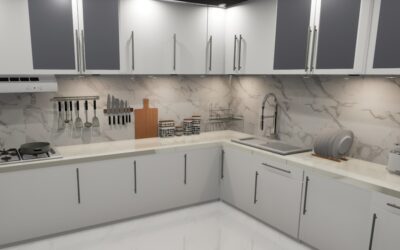
- Kitchens: A runner in front of the sink or along a galley aisle should stop about 6 inches short of the cabinet ends so it does not crowd appliance doors.
- Entryways and stairs: Measure the exact span and add a few inches of clearance from doors that swing inward.
Always measure your space with a tape measure and mark the dimensions on the floor with painter’s tape before you order. A rug that looks generous online can feel cramped once it is down.
Materials and Durability
The fiber you choose determines how the rug feels underfoot, how it wears, and how easy it is to clean. Here is how the common options compare:
- Wool: Naturally stain-resistant, resilient, and soft. Wool is the gold standard for a long-lasting boho runner rug, though it costs more and can shed lightly at first.
- Cotton: Lightweight, affordable, and often machine-washable in flatweave styles. Cotton is ideal for kitchens and casual spaces but compresses faster under heavy traffic.
- Jute and sisal: Bring authentic earthy texture but are coarse underfoot and harder to spot-clean, so reserve them for low-spill areas.
- Polypropylene and other synthetics: Budget-friendly, fade-resistant, and easy to wipe down, making them a practical pick for homes with kids or pets.
If you want one runner to handle real daily abuse, a wool or high-quality synthetic flatweave will serve you longest.
Color and Pattern Strategy
Because runners live in transitional spaces, they should connect the rooms on either side rather than fighting them. Pull one or two colors from your adjacent walls, cabinetry, or larger area rugs and look for a runner that echoes them. A rust-and-cream design, for example, ties beautifully into warm wood tones and brass hardware.
Busy patterns are your friend in high-traffic arems because they camouflage crumbs, paw prints, and footprints between cleanings. If your walls and furnishings are already loud, choose a runner with a subtler tone-on-tone pattern so the space does not feel chaotic. When in doubt, a faded, vintage-style Persian or Moroccan motif reads as boho while staying versatile enough to survive future redecorating.
Layering and Styling Tips
Layering is central to bohemian style, and runners layer beautifully. Try setting a patterned runner over a larger natural-fiber jute rug to add depth in a wide hallway or open kitchen. In a bedroom, a pair of short runners flanking the bed creates a soft landing and a curated, collected look.
Keep the rest of the styling relaxed. Boho spaces favor mixed textures, woven baskets, trailing plants, and warm metals over matched sets and high polish. Your runner does not need to match anything perfectly; it just needs to share a color family and a casual spirit with its surroundings.
Rug Pads and Safety
A quality rug pad is not optional, especially for runners in busy walkways. A non-slip pad keeps the rug from sliding underfoot, which is a genuine trip hazard in hallways and on hard kitchen floors. It also adds cushioning, reduces wear on the rug’s backing, and protects the floor beneath from scratching and color transfer.
Buy a pad sized slightly smaller than the rug, about 1 inch shorter on each side, so it stays hidden. For runners on stairs, use stair-specific gripping methods or professional installation; loose runners on steps are a serious fall risk.
Cleaning and Care
Routine care keeps a boho runner rug looking rich rather than dingy. Vacuum once or twice a week, using a suction-only setting or turning off the beater bar for flatweaves and fringed pieces so you do not pull threads. Rotate the rug end to end every few months to even out wear and sun fading in spots that get direct light.
Blot spills immediately with a clean cloth, working from the outside in, and avoid soaking the backing. For deeper cleaning, follow the manufacturer’s label: many cotton flatweaves are machine washable on a gentle cycle, while wool and viscose blends are best handled by a professional rug cleaner. Skip harsh chemicals, which can strip the dyes that give these rugs their character.
Final Thoughts
A boho runner rug is a small purchase with an outsized impact. It softens hard floors, warms up narrow rooms, and injects the relaxed, layered personality that defines bohemian style, all while hiding the everyday mess that busy spaces collect. Focus on getting the size and material right for your traffic, choose colors that bridge your rooms, and add a good pad underneath. Do that, and your runner will look intentional and inviting for many years.