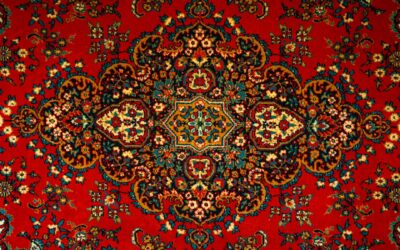
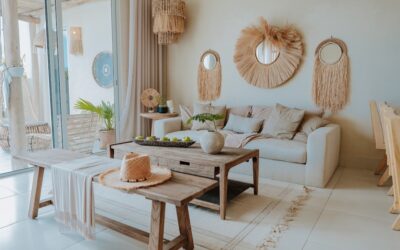
Bohemian interior design — or boho — is one of the most enduring and adaptable decorating styles. Rooted in the free-spirited aesthetic of artists, travelers, and counterculture movements, boho theme celebrates individuality, global influences, and the art of layering textures, patterns, and colors. Unlike rigid design styles that follow strict rules, bohemian decor thrives on creative expression and personal storytelling.
In 2026, the boho theme has evolved beyond its maximalist roots. Modern bohemian design balances eclectic character with curated intentionality — think warm earth tones, natural materials, artisan craftsmanship, and thoughtful layering rather than cluttered excess. This guide covers everything from foundational principles to room-specific strategies for creating an authentic boho home.
- Table of Contents
- Core Elements of Boho Design
- Boho Color Palette
- Boho Flooring Choices
- Furniture & Seating
- Textiles & Fabrics
- Room-by-Room Boho Guide
- Boho Style Variations
- Boho on a Budget
- Common Mistakes to Avoid
- Frequently Asked Questions
- What is the difference between boho and bohemian?
- Is boho style going out of fashion?
- Can boho work in a modern home?
- How do I start decorating in boho style?
- What flooring is best for boho style?
- Is boho the same as hippie style?
- Can I mix boho with other styles?
- How much does it cost to decorate a room in boho style?
Core Elements of Boho Design
Boho theme is built on a set of guiding principles rather than rigid rules. Understanding these foundations lets you create an authentic bohemian space regardless of your budget or room size.
| Element | Description | Examples |
|---|---|---|
| Natural materials | Raw, organic materials that bring nature indoors | Rattan, jute, bamboo, wood, linen, cotton, leather |
| Layered textiles | Multiple fabrics and textures in a single space | Throw pillows, blankets, rugs, curtains, tapestries |
| Global accents | Decor inspired by worldwide cultures and travel | Moroccan poufs, Indian block prints, Turkish kilims, African baskets |
| Plants & greenery | Abundant indoor plants in varied sizes and types | Trailing pothos, fiddle leaf figs, monstera, succulents |
| Handmade items | Artisan craftsmanship and one-of-a-kind pieces | Macrame, pottery, hand-woven baskets, hand-knotted rugs |
| Warm earth tones | Grounding colors drawn from nature | Terracotta, sage, mustard, rust, cream, sand |
| Mixed patterns | Combining different prints and motifs intentionally | Ikat, paisley, tribal, floral, geometric — mixed in coordinating colors |
| Vintage & thrifted finds | Items with history and character | Antique mirrors, vintage textiles, flea market furniture, family heirlooms |
Boho Color Palette
The boho color palette in 2026 leans warmer and more intentional than the anything-goes approach of past decades. Today’s bohemian spaces use a grounded base of neutral colors — warm whites, creams, tans, and taupes — layered with rich accent colors drawn from nature.
Foundation Colors
- Warm white (not bright white): Walls, large furniture, and curtains
- Sand and tan: Natural wood, jute rugs, linen upholstery
- Soft cream: Bedding, ceramics, macrame
Accent Colors
- Terracotta: The signature boho accent — pottery, throw pillows, terracotta tile
- Sage green: Plants (real and represented in textiles), wall paint, ceramics
- Mustard yellow: Throw blankets, pillows, curtains
- Rust and burnt orange: Textiles, artwork, woven baskets
- Deep indigo: Patterned textiles, global-inspired accents
Color Combination Guide
| Palette Name | Base | Primary Accent | Secondary Accent | Mood |
|---|---|---|---|---|
| Desert Boho | Sand, cream | Terracotta | Rust, dried sage | Warm, grounded, earthy |
| Coastal Boho | White, light tan | Soft blue | Sea green, driftwood | Breezy, relaxed, light |
| Jewel-Tone Boho | Cream, walnut | Deep teal | Plum, gold | Rich, dramatic, global |
| Modern Boho | Warm gray, white | Muted terracotta | Black, olive | Sophisticated, curated |
| Garden Boho | Off-white, natural wood | Sage green | Blush, mustard | Fresh, botanical, feminine |
Boho Flooring Choices
Flooring is a critical but often overlooked element of boho design. The right floor provides a warm, natural foundation for layered textiles and eclectic furniture.
Best Flooring for Boho Interiors
| Flooring Type | Boho Appeal | Cost Range | Best Rooms |
|---|---|---|---|
| Natural hardwood (warm tones) | Organic warmth, complements all boho decor | $8–$15/sq ft installed | Living room, bedroom, dining room |
| Reclaimed wood | Character, history, sustainability | $10–$20/sq ft installed | Any room — statement flooring |
| Terracotta tile | Mediterranean warmth, earthy color | $8–$18/sq ft installed | Kitchen, bathroom, entryway |
| Travertine | Natural stone warmth, old-world elegance | $10–$30/sq ft installed | Bathroom, living room, patio |
| Patterned cement tile | Bold patterns, artisan craftsmanship | $12–$25/sq ft installed | Kitchen, bathroom, entryway |
| Cork flooring | Natural, warm, sustainable, soft underfoot | $5–$10/sq ft installed | Bedroom, living room, nursery |
The key to boho flooring is warmth and naturalness. Avoid cold, sterile-looking floors like polished marble or glossy white tile. If your existing flooring is not ideal for boho style, layered area rugs can transform any floor. A large jute or sisal rug as a base, topped with a smaller vintage or patterned rug, is a classic boho flooring strategy. For more ideas on coordinating your floors with your design style, see our comprehensive flooring decor guide.
Layered Rug Strategy
- Base layer: A large, neutral natural-fiber rug (jute, sisal, or seagrass) that covers most of the room
- Feature layer: A smaller, patterned rug (vintage kilim, Moroccan, or Turkish) placed on top for color and character
- Accent layer (optional): Smaller rugs or hides placed near seating for additional texture
Furniture & Seating
Boho furniture prioritizes comfort, natural materials, and character over matching sets. A boho living room might include a linen sofa, a rattan accent chair, a reclaimed wood coffee table, and a Moroccan leather pouf — none of them matching, all of them complementing each other through shared warmth and texture.
Key Boho Furniture Pieces
- Low seating: Floor cushions, Moroccan poufs, low-profile sofas that encourage relaxed, informal gathering
- Rattan and wicker: Peacock chairs, hanging egg chairs, rattan shelving and side tables
- Natural wood: Live-edge tables, carved wood stools, distressed wood shelving
- Vintage finds: Antique cabinets, mid-century sideboards, vintage trunks as coffee tables
- Upholstered comfort: Deep, sink-in sofas and armchairs covered in linen, cotton, or velvet
Furniture Shopping Tips
Thrift stores, estate sales, flea markets, and online marketplaces (Facebook Marketplace, Craigslist, Chairish) are the best sources for authentic boho furniture. Look for pieces with interesting shapes, natural materials, and good bones that can be refreshed with new cushions or fabric. Mixing eras — a 1960s rattan chair next to a modern linen sofa — is quintessentially boho.
Textiles & Fabrics
Textiles are the soul of boho design. They bring warmth, color, and personality to every surface.
Essential Boho Textiles
- Throw pillows: Mix 5–7 pillows on a sofa combining different sizes, patterns, and textures. Include at least one mudcloth, one kilim, and one solid texture
- Throw blankets: Drape textured throws over sofas, chairs, and bed ends. Chunky knit, Moroccan wedding blankets, and Turkish towels all work
- Curtains: Flowy, semi-sheer curtains in natural linen or cotton. Macrame curtains for a bohemian statement
- Bedding: Layered bedding with a mix of patterns. Sateen sheets provide a luxurious base with a subtle sheen that works beautifully under textured boho duvet covers and throws
- Wall hangings: Macrame, woven tapestries, and textile art add vertical texture
- Table linens: Block-printed runners, embroidered napkins, and handwoven placemats for dining
Pattern Mixing Rules
Boho embraces pattern mixing, but successful mixing requires a coordinating element. The easiest approach is to choose patterns in the same color family but different scales — a large-scale floral, a medium-scale geometric, and a small-scale tribal print in shades of terracotta, cream, and sage will harmonize despite their different motifs.
Room-by-Room Boho Guide
Living Room
The living room is the showcase for boho style. Start with a comfortable sofa in a neutral tone (cream, sand, or soft gray), then layer in personality through pillows, throws, rugs, and accessories. A gallery wall of mixed-frame art, mirrors, and woven baskets creates visual interest. Multiple plant varieties at different heights complete the look.
Bedroom
The boho bedroom is a sanctuary of comfort and texture. Layer the bed with a crisp white or natural linen base, add a patterned duvet or quilt, pile on the pillows, and drape a textured throw at the foot. A canopy (even a simple fabric drape) adds drama. Natural wood nightstands, a woven pendant light, and abundant plants create the complete boho bedroom.
Kitchen
Boho kitchens focus on open shelving (displaying handmade pottery and cookware), natural materials (wood cutting boards, woven baskets), and colorful textiles (block-printed tea towels, patterned runner rugs). Terracotta or patterned floor tiles make a particularly strong statement in boho kitchens.
Bathroom
Bring boho to the bathroom with natural stone or terracotta tile, a wooden vanity, woven baskets for storage, and plenty of plants (trailing pothos thrives in bathroom humidity). Turkish towels in warm colors, a macrame wall hanging, and a vintage mirror complete the transformation.
Outdoor Spaces
Boho outdoor living is all about creating a comfortable, inviting extension of your interior. Floor cushions on a travertine patio, a hammock, string lights, potted plants, and a fire pit create the ultimate boho outdoor gathering space. Surround the area with a wildflower garden for a natural, romantic backdrop.
Boho Style Variations
| Sub-Style | Key Characteristics | Color Emphasis | Best For |
|---|---|---|---|
| Modern Boho | Clean lines + boho warmth, fewer items, more curated | Muted earth tones, black accents | Minimalists who want warmth |
| Boho Farmhouse | Rustic elements + boho textiles, shiplap + macrame | White, cream, sage, wood | Country/rural homes |
| Coastal Boho | Beach vibes + boho layers, rattan + blue tones | White, blue, tan, seafoam | Beach houses, coastal areas |
| Maximalist Boho | More-is-more approach, bold colors, dense layering | Jewel tones, saturated colors | Collectors, eclectic personalities |
| Scandinavian Boho (Scandi-Boho) | Nordic minimalism + boho warmth, neutral palette | White, pale wood, muted accents | Small spaces, Nordic climates |
Boho on a Budget
- Thrift and vintage shop: The best boho pieces come from secondhand sources. Vintage kilim pillows, brass candlesticks, and woven baskets are abundant and affordable at thrift stores
- DIY macrame: Basic macrame wall hangings and plant holders are easy beginner projects. Macrame cord costs $10–$20 per project
- Plants, plants, plants: Propagate cuttings from friends and family rather than buying full-size plants. Pothos, spider plants, and snake plants are nearly impossible to kill and grow quickly
- Layer affordable rugs: A jute rug ($40–$80) layered with a smaller vintage-style rug ($30–$60) creates an expensive look for under $150
- Reuse and repurpose: Paint a thrifted dresser, reupholster a chair with boho fabric, or turn vintage scarves into throw pillow covers
- Shop global marketplaces: Etsy shops from Morocco, India, and Turkey offer authentic handmade boho decor at a fraction of domestic retail prices
Common Mistakes to Avoid
- Buying everything from one store: A boho room where every item is from the same retailer looks staged rather than collected. Mix sources for authenticity
- Ignoring the floor: Bare floors or a single rug does not create boho ambiance. Layer rugs and add floor cushions for the characteristic ground-level comfort
- Too many patterns with no common thread: Pattern mixing requires a unifying color or tone. Without it, the room looks chaotic rather than curated
- Forgetting negative space: Even boho rooms need breathing room. Leave some wall space empty, some surfaces clear
- Fake plants only: Real plants bring life, energy, and air purification that fake plants cannot replicate. Mix a few high-quality faux plants with real ones if needed
- All neutrals, no soul: A common modern-boho mistake is making everything beige and white. Add personality through at least 2–3 accent colors
Frequently Asked Questions
What is the difference between boho and bohemian?
They are the same thing. “Boho” is simply the abbreviated form of “bohemian.” Both refer to the eclectic, free-spirited interior design style that draws from global influences, natural materials, and layered textiles. In design contexts, “boho” has become the more commonly used term.
Is boho style going out of fashion?
Boho is one of the most enduring interior design styles because it is rooted in personal expression rather than trend-following. While specific boho elements cycle in and out of peak popularity (macrame surged in the 2020s, for example), the core principles of natural materials, layered textiles, and global influences have remained relevant for decades and show no signs of fading in 2026.
Can boho work in a modern home?
Absolutely. Modern boho (or “boho modern”) is one of the most popular design approaches in 2026. It combines the clean lines and open spaces of modern architecture with boho’s warmth, texture, and personality. The key is restraint — choose fewer, higher-impact boho pieces rather than filling every surface.
How do I start decorating in boho style?
Start with the floor (add a layered rug setup), then the sofa (pile on textured throw pillows and a blanket), then the walls (hang a macrame or woven piece). Add 3–5 plants in varied sizes. These four steps immediately transform any room toward boho. From there, add pieces gradually as you find them.
What flooring is best for boho style?
Warm-toned natural hardwood is the most versatile foundation for boho design. Terracotta tile, reclaimed wood, and natural stone like travertine also work beautifully. The most important factor is warmth — boho does not work well with cold, sterile flooring. If your existing floor is not ideal, layered rugs solve the problem.
Is boho the same as hippie style?
There is overlap, but they are distinct. Both draw from counterculture and free-spirited sensibilities, but boho interior design is more curated and design-conscious. Hippie style tends toward tie-dye, peace signs, and psychedelic colors, while boho emphasizes artisan craftsmanship, global textiles, and natural materials with a more sophisticated, earthy palette.
Can I mix boho with other styles?
Yes, and hybrid styles are extremely popular. Boho farmhouse, coastal boho, boho modern, and Scandi-boho all blend bohemian elements with other design foundations. The key is choosing which style provides the structure (furniture silhouettes, layout) and which provides the personality (textiles, accessories, color).
How much does it cost to decorate a room in boho style?
Boho is one of the most budget-friendly decorating styles because it embraces thrifted and handmade items. A living room can be transformed for $200–$500 with secondhand furniture, thrifted textiles, and DIY elements. Premium boho design with investment pieces like vintage rugs and artisan furniture can range from $2,000–$10,000+ per room.