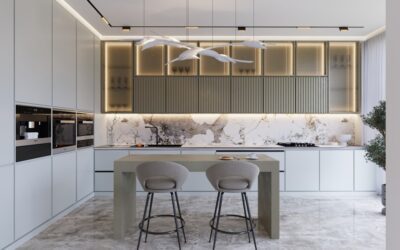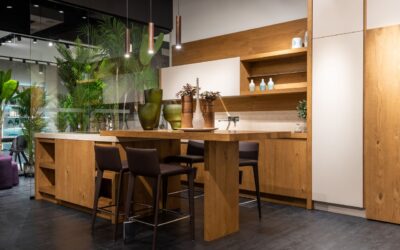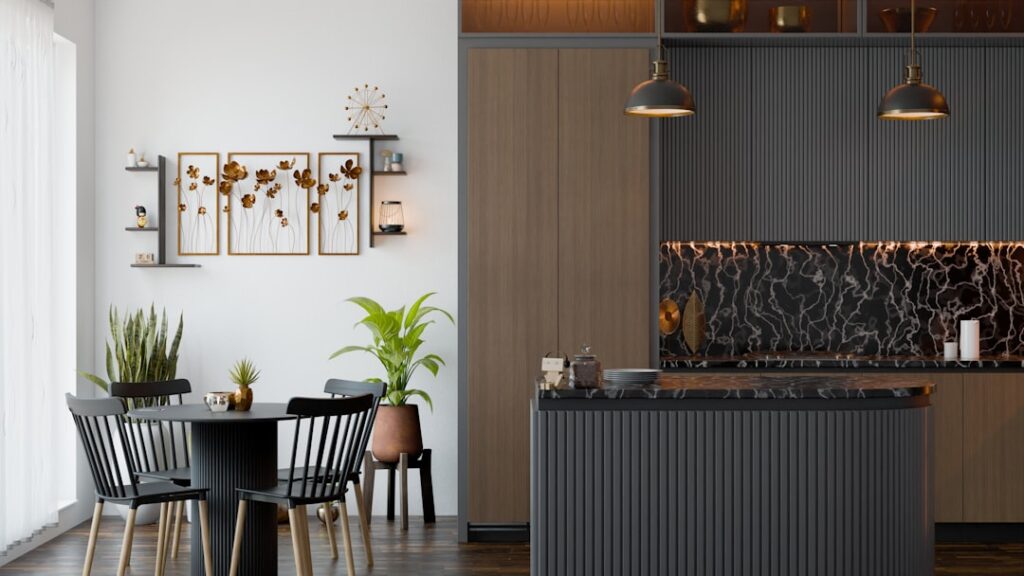
When people say bottom kitchen cabinets, they mean the base cabinets that sit on the floor and carry the countertop, sink, cooktop, and the heaviest storage load in the room. These boxes do the structural work of a kitchen, and getting their size, configuration, and construction right matters more than the wall cabinets above them. The base run is where a remodel either flows beautifully or fights you every day.
Part of our Kitchen Remodeling guide — explore the full guide →
Here is how base cabinets are sized, when to choose drawers over doors, what materials hold up, and roughly what you will spend.
Standard Base Cabinet Dimensions
Base cabinets follow dimensions that have been standard in American kitchens for decades, which is why appliances fit predictably. Memorize these numbers:
- Height: 34.5 inches for the cabinet box. Add a 1.5-inch countertop and you reach the classic 36-inch finished counter height.
- Depth: 24 inches deep for the box; with door and counter overhang, the total footprint runs about 25 to 26 inches.
- Widths: Sold in 3-inch increments, from 9-inch fillers up to 48 inches. The most common are 15, 18, 24, 30, and 36 inches.
- Toe kick: The recessed base is typically 4 inches high and 3 inches deep so you can stand close to the counter.
If anyone in the household is notably tall or short, remember counter height is adjustable. A very tall cook may want taller bases, and the reverse is true as well; a shorter cook or an accessible design may call for a 32- or 34-inch counter, and a section of lowered base at 30 inches makes a great baking or seated-prep station. Adjusting height is done by tweaking the toe-kick platform, so decide before the boxes are set because it is far harder to change afterward.
Drawers vs. Doors: What Goes Where
The biggest upgrade in modern base cabinets is trading door-and-shelf boxes for full drawer stacks. A door cabinet forces you to bend and reach into a dark cavity; a drawer brings everything to you. A good general rule: use drawers everywhere you store pots, pans, dishes, and food, and reserve doors for the sink base and any spot hiding a trash pull-out or appliance.
- Deep pot drawers: Two large drawers under a cooktop hold more usable volume than a door cabinet with one shelf.
- Three-drawer stacks: Ideal beside the range for utensils, spices, and linens.
- Sink base: Doors here because the plumbing eats the interior; add a shallow tip-out tray for sponges.
- Corners: A blind-corner base wastes space, so spec a lazy Susan or a magic-corner pull-out to reclaim it.
Full-extension, soft-close drawer glides rated for 75 to 100 pounds are worth the small upcharge. Cheap 3/4-extension epoxy slides leave the back third of a drawer nearly unreachable. Undermount glides, the kind hidden below the drawer box rather than mounted on the sides, give the cleanest look and the smoothest action; Blum Tandem and Grass Dynapro are the two leading options. For heavy pot drawers, step up to a 100-pound-rated slide so a stack of cast iron never binds or sags over time.
Construction and Materials That Last
Base cabinets carry weight and take abuse from mopping, dishwasher steam, and dropped pans, so build quality shows up fast. Look at the box first. Plywood boxes, typically 1/2-inch or 3/4-inch, resist moisture and hold screws far better than particleboard, which crumbles if a sink ever leaks. For the sink base especially, insist on plywood or at minimum a moisture-resistant panel.
Check how the boxes are joined. Dovetailed solid-wood drawer boxes outlast stapled particleboard drawers by decades. Doors and fronts in solid maple, painted MDF (which actually resists cracking on painted finishes better than wood), or quality thermofoil each have a place depending on budget and style. Framed cabinets give a traditional look with a face frame; frameless “full-access” European boxes give you a bit more interior room and a modern reveal.
Planning the Layout
Good base runs start with the work triangle between sink, range, and refrigerator. Keep at least 36 inches of clear counter beside the range and 24 inches beside the sink for landing space. Plan filler strips at walls and where cabinets meet at a corner so doors and drawers clear each other and the appliance handles. A common rookie mistake is butting a dishwasher tight to a corner cabinet, which blocks the corner door from opening.
Account for appliance cutouts early. A standard dishwasher needs a 24-inch opening; a slide-in range needs 30 inches. Leave the toe kick continuous so your flooring installer can run finish flooring or quarter-round cleanly along the base.
What Bottom Cabinets Cost
Pricing swings widely with material and construction:
- Stock RTA (ready-to-assemble): $60 to $200 per linear foot. Great value if you assemble carefully.
- Semi-custom: $150 to $650 per linear foot with more sizes and finishes.
- Full custom: $500 to $1,200-plus per linear foot for exact sizing and premium wood.
A typical 12-linear-foot base run in solid semi-custom cabinets lands around $3,000 to $7,000 installed, not counting counters. Since the base cabinets carry your sink and cooktop and take the most daily wear, this is the place to spend a little more rather than less. Upgrading just the bottom kitchen cabinets to plywood boxes with dovetailed drawers is money you will feel every time you open a drawer.
Framed vs. Frameless Base Boxes
How the box is built shapes both the look and how much you can fit inside. Framed cabinets, the traditional American style, have a face frame of solid wood around the front opening. Doors and drawers mount to that frame, giving a classic, sturdy look and a slight reveal between doors. Frameless cabinets, sometimes called full-access or European construction, skip the face frame so doors mount directly to the box sides. The payoff is roughly 10 percent more usable interior width and wider drawers, plus a clean, modern seam-to-seam appearance.
Neither is objectively better; it comes down to style and access. Frameless suits those who want maximum drawer capacity and a contemporary look, and framed suits those who love a traditional inset or beaded-face aesthetic. One practical note: framed inset doors, where the door sits flush inside the frame, are the most expensive option because they demand precise fitting and seasonal wood movement can cause sticking. Overlay doors that sit on top of the frame are far more forgiving and cost less.
Organizing the Interior
Base cabinets are where clever accessories pay off daily, because you are stooping to floor level dozens of times a day. A few upgrades worth considering on nearly every project:
- Roll-out trays: Slide-out shelves in any door cabinet turn a dark back corner into accessible storage without buying full drawer boxes.
- Peg-board drawer inserts: Adjustable pegs keep stacks of plates and bowls from sliding in a deep pot drawer.
- Vertical tray dividers: A narrow 9- or 12-inch base with vertical dividers stores baking sheets, cutting boards, and platters upright.
- Pull-out trash and recycling: An 18-inch base dedicated to a dual bin keeps garbage off the floor and out of sight.
- Toe-kick drawers: Shallow drawers in the 4-inch toe space capture linens or seldom-used flat items that would otherwise waste that band entirely.
Order these built in from the factory when possible; retrofitting after installation costs more and rarely fits as cleanly.
Common Mistakes to Avoid
Skipping a proper toe kick and setting cabinets directly on the floor makes the counter too high and cramps your stance. Forgetting to level the boxes before securing them leaves doors that swing open on their own. And ordering all-door base cabinets to save money is the most common regret; homeowners almost always wish they had bought drawers. Measure twice, order plywood where water lives, and prioritize drawers, and your base cabinets will serve you well for 25 years or more. One last habit worth building: level and shim each box carefully, then screw adjacent cabinets together through the face frames before fastening to the wall, so the whole run reads as one seamless bank rather than a lineup of separate boxes.