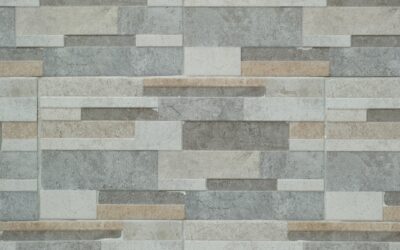
Brick veneer tile, often called thin brick, is a thin slice of real or manufactured brick, typically half an inch to one inch thick, designed to be adhered to a wall or floor like conventional tile. It delivers the texture, color variation, and timeless warmth of a full brick wall without the structural weight, the footing requirements, or the cost of laying true masonry. For homeowners who love industrial lofts, farmhouse kitchens, and cozy fireplace surrounds, it is one of the most transformative and forgiving materials you can install.
Part of our Tile & Grout guide — explore the full guide →
- What Exactly Is Brick Veneer Tile?
- Types of Brick Veneer Tile
- Where Brick Veneer Tile Works Best
- How Brick Veneer Tile Is Installed
- Cost of Brick Veneer Tile
- Pros and Cons to Weigh
- Maintenance and Cleaning
- Design Tips for a Convincing Look
- Interior vs Exterior Applications
- Tools and Materials Checklist
- Common Installation Mistakes to Avoid
- Is Brick Veneer Tile Right for You?
What Exactly Is Brick Veneer Tile?
Traditional brick is a structural unit roughly 3.5 inches deep that must be supported by a foundation. Brick veneer tile takes that same fired-clay material and cuts it down to a facing about the thickness of ceramic tile. Because it weighs a fraction of full brick, it can be mounted on drywall, cement board, or existing masonry without additional structural support. Products are sold as individual flats, L-shaped corner pieces for wrapping outside edges, and pre-assembled panels or sheets that speed up large installations.
Types of Brick Veneer Tile
- Kiln-fired clay thin brick: the most authentic option, cut from real brick, with genuine color depth and durability. Brands like Glen-Gery and Old Mill Brick are common.
- Reclaimed thin brick: sliced from salvaged antique brick for a weathered, historic patina.
- Concrete or manufactured veneer: molded from cement and pigments, lighter and cheaper but less authentic up close.
- Peel-and-stick brick tile: lightweight foam or resin panels for renters and quick backsplashes, not true masonry.
Where Brick Veneer Tile Works Best
This material is remarkably versatile. Popular applications include:
- Kitchen backsplashes with a farmhouse or industrial vibe.
- Accent walls in living rooms, bedrooms, and home offices.
- Fireplace surrounds and hearths.
- Entryway and mudroom flooring, where the rugged texture hides dirt.
- Exterior facades and wainscoting when rated for outdoor use.
- Commercial spaces like cafes and boutiques seeking a warehouse look.
When used as flooring, choose a thin brick paver rated for foot traffic and seal it well, as the porous surface will absorb spills otherwise.
How Brick Veneer Tile Is Installed
Installation mirrors standard tile work with a few brick-specific steps:
- Prep the substrate: Ensure a clean, flat, structurally sound surface. Use cement backer board in wet areas.
- Set the tiles: Apply polymer-modified thinset mortar with a notched trowel and press each thin brick firmly, using spacers to keep grout lines consistent, usually 3/8 to 1/2 inch to mimic real brick.
- Grout the joints: After the mortar cures, pack a sanded grout or mortar mix into the joints with a grout bag, then tool the joints to a concave or flush finish.
- Seal: Apply a masonry sealer to protect against moisture and staining, especially on floors, backsplashes, and exterior walls.
Panelized systems that snap or interlock can cut installation time roughly in half and are a good choice for DIYers tackling a large accent wall.
Cost of Brick Veneer Tile
Brick veneer tile is far cheaper than full brick masonry. Expect these rough US price ranges:
- Manufactured concrete veneer: $3 to $8 per square foot for material.
- Real kiln-fired thin brick: $6 to $12 per square foot for material.
- Reclaimed thin brick: $10 to $20 per square foot.
- Professional installation: $8 to $15 per square foot in labor.
An average kitchen backsplash of about 30 square feet might run $300 to $700 in materials for a weekend DIY project, while a full accent wall installed by a pro could land between $1,500 and $3,000.
Pros and Cons to Weigh
Advantages:
- Authentic brick appearance at a fraction of the weight and cost.
- No structural reinforcement needed; installs on most flat surfaces.
- Extremely durable and fire-resistant, ideal for fireplaces.
- Low maintenance once sealed.
Drawbacks:
- Labor-intensive grouting compared to standard square tile.
- Porous surface stains if left unsealed.
- Uneven texture makes wiping a backsplash slightly harder than smooth tile.
- Cheaper manufactured versions can look flat next to real fired clay.
Maintenance and Cleaning
Sealed brick veneer tile is easy to live with. Dust and vacuum interior walls occasionally, and wipe backsplashes with a damp cloth and mild dish soap. Avoid harsh acidic cleaners that can etch the mortar joints. Reapply masonry sealer every few years on floors and exterior surfaces, or whenever water stops beading on the surface. For grease near a stovetop, a paste of baking soda and water lifts stains without damaging the brick.
Design Tips for a Convincing Look
- Choose a product with genuine color variation; uniform bricks read as fake.
- Mix in a few corner pieces so edges wrap realistically instead of showing a cut seam.
- Match your grout tooling to the style: struck flush for modern, recessed concave for rustic.
- Consider a whitewashed or German-schmear finish for a soft, European farmhouse feel.
- Run brick flooring in a herringbone or running-bond pattern for authentic street-paver charm.
Interior vs Exterior Applications
Brick veneer tile behaves differently indoors and out, and choosing the right product for each is essential. Indoors, you have broad freedom: accent walls, backsplashes, and fireplace surrounds rarely see moisture or temperature swings, so nearly any thin brick works. Exterior installations are far more demanding. The material must withstand freeze-thaw cycles, driving rain, and UV exposure, so you need a thin brick specifically rated for exterior use, installed over a proper weather-resistant barrier and a lath-and-scratch-coat system rather than simply glued to sheathing. In cold climates, only ASTM-rated freeze-thaw-resistant units belong outdoors; a non-rated interior brick will spall and crumble after a few winters. When in doubt, confirm the product’s rating with the manufacturer before buying for an outdoor project.
Tools and Materials Checklist
Tackling a brick veneer tile project yourself is realistic if you gather the right supplies first. A typical installation calls for:
- Polymer-modified thinset mortar: the adhesive that bonds tiles to the substrate.
- Notched trowel: a 1/4-inch or 3/8-inch notch spreads an even mortar bed.
- Grout bag: for neatly packing mortar into the deep joints between bricks.
- Tile spacers: to keep those signature 3/8- to 1/2-inch joints consistent.
- Angle grinder or wet saw: with a masonry blade for cutting bricks to fit.
- Jointing tool: to strike and tool the joints to your chosen profile.
- Masonry sealer: to protect the finished surface from stains and moisture.
- Level, tape measure, and mixing paddle: for layout and mixing.
Snap a level chalk line for your first course and work upward, checking level frequently. The mortar and grouting steps are the most time-consuming, so plan a full weekend for an average accent wall and let each stage cure before moving on.
Common Installation Mistakes to Avoid
Brick veneer tile is forgiving, but a few errors can undermine an otherwise beautiful job. Steer clear of these pitfalls:
- Skipping the sealer: unsealed brick stains quickly, especially behind a stove or in a bathroom.
- Uneven mortar bed: inconsistent thinset leaves some bricks proud and others sunken, breaking the plane.
- Sloppy grout joints: overfilled or smeared joints muddy the crisp brick lines; tool them cleanly.
- Ignoring corners: using flat pieces at outside corners reveals a cut edge, so use L-shaped corner units.
- Installing over a weak substrate: the wall must be flat, clean, and structurally sound before the first tile goes up.
Taking your time on layout, keeping joints consistent, and sealing thoroughly are the differences between a wall that looks professionally done and one that looks like a rushed weekend project.
Is Brick Veneer Tile Right for You?
If you want the warmth and character of exposed brick but your walls are drywall, or your budget and structure will not support full masonry, brick veneer tile is the clear answer. It is one of the highest-impact upgrades per dollar in home design, instantly adding texture and a sense of history to an otherwise flat room. Whether you dress a fireplace, wrap a kitchen backsplash, or lay a rugged mudroom floor, real fired-clay thin brick, properly set and sealed, will look and perform like the real thing for the life of your home. Take your time on the grout lines and the sealing, and this single material can define the entire personality of a space.
Prefer to explore on your own?
See how new flooring looks in your actual room in seconds — free, no signup.
Try the free Floor Studio →