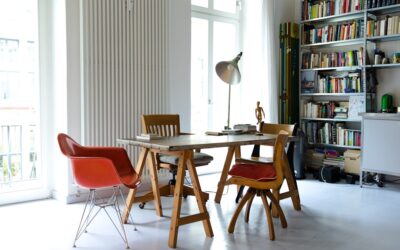
If you love the warm, rustic character of an old brick floor but not the cold, weight, and maintenance of the real thing, brick look flooring is the answer most homeowners never realize exists. Modern manufacturing reproduces the texture, color variation, and even the mortar lines of genuine brick using porcelain tile or vinyl plank, giving you farmhouse and industrial charm without structural concerns or a sky-high install bill. The look spans English cottage, urban loft, and Mediterranean styles, and the right product depends on where you are putting it and how much you want to spend.
Why Faux Brick Beats the Real Thing Indoors
Genuine brick flooring is heavy, porous, hard to clean, and often requires structural reinforcement of the subfloor. It absorbs stains, harbors moisture, and is brutal on dropped dishes and tired feet. Brick-look alternatives capture the aesthetic while solving those problems. Porcelain tile and vinyl plank are lighter, sealed against stains, easier to clean, and far more comfortable underfoot. You get the soul of a centuries-old floor with none of the practical headaches.
The Main Brick-Look Materials
Three materials dominate the category, each with a distinct price and performance profile.
- Porcelain brick-look tile: The most convincing option, with realistic texture and color depth. Waterproof, extremely durable, and ideal for kitchens, entries, and sunrooms. Material runs $3 to $8 per square foot, installed $10 to $20.
- Brick-look luxury vinyl plank: Warmer and softer underfoot, fully waterproof, and DIY-friendly with click-lock installation. Material $2 to $5 per square foot, installed $5 to $9.
- Thin brick veneer or pavers: Real clay for an authentic surface at lower weight than full brick, but heavier and pricier to install than tile or vinyl.
The Pros of Brick Look Flooring
The appeal starts with character. Few floors deliver the warmth and timeworn personality of brick, and the look pairs beautifully with farmhouse kitchens, industrial lofts, and rustic mudrooms. Beyond aesthetics, the porcelain and vinyl versions are genuinely practical: waterproof, scratch-resistant, and forgiving of the dirt and spills that high-traffic rooms see. The textured surface also provides natural slip resistance, a real plus in entries and kitchens where floors get wet.
Maintenance is simple compared to real brick. There is no sealing of porous clay, no crumbling mortar to repoint, and routine cleaning is just sweeping and damp mopping. The color variation built into quality products also hides dirt and minor wear far better than a uniform solid floor.
The Cons to Consider
Porcelain brick-look tile shares tile’s main drawbacks: it is hard and cold underfoot, which some people dislike in a kitchen where they stand for long stretches, and dropped glassware shatters on it. Installation of tile is labor-intensive and best left to a pro, raising the total cost. The grout lines that sell the brick look also collect dirt and need occasional cleaning and resealing. Vinyl versions are warmer and easier to install but, like all vinyl, can be punctured by sharp impacts and may not add the resale appeal of genuine materials in a high-end home.
Best Rooms for the Brick Look
This style shines in specific spaces. Kitchens love it for the rustic warmth and easy cleanup. Entryways and mudrooms benefit from the slip resistance and hide-the-dirt color variation. Sunrooms and three-season porches suit the indoor-outdoor vibe brick evokes. It also works beautifully as an accent, such as a brick-look tile inset under a range or in a butler’s pantry. In bedrooms and formal living rooms, the rugged texture can feel out of place, so reserve it for hardworking, casual spaces.
Design and Layout Tips
The pattern you choose changes the entire feel of the floor.
- Running bond (offset): The classic staggered brick pattern; the most natural and forgiving look.
- Herringbone: Angled and elegant, great for entries, but expect 15 to 20 percent more material for waste from the diagonal cuts.
- Basketweave: A traditional, decorative option for accent areas.
For color, weathered reds and oranges read as classic farmhouse, while whitewashed and gray-toned brick lean modern and industrial. Choose a grout color that complements rather than fights the brick; a tonal gray or buff usually looks more authentic than stark white.
Installation and Cost Planning
Porcelain brick-look tile installs like any tile, set in thinset over a flat, properly prepped subfloor with grout lines that mimic mortar. It is exacting work, so most homeowners hire a tile pro. Vinyl brick-look plank floats over the subfloor with click-lock joints and is a realistic weekend DIY project for a single room. Whichever you choose, order 10 percent extra for straight layouts and up to 20 percent for herringbone, account for transition strips and trim, and keep a spare box for future repairs since dye lots change.
Caring for a Brick-Look Floor
Maintenance is one of the category’s quiet advantages, but it does vary by material. Porcelain brick-look tile cleans with a sweep and a damp mop using a neutral cleaner; the main upkeep is the grout, which should be sealed after installation and cleaned periodically to keep it from darkening. The textured surface can hold a bit more dirt than a smooth floor, so a soft brush helps in the deepest grooves. Brick-look vinyl plank is even simpler: sweep and damp-mop, avoid abrasive pads, and wipe spills before they reach the seams. Neither requires the sealing and repointing that real clay brick demands, which is a big part of the appeal.
Is Brick Look Flooring Right for You?
Deciding comes down to your style and your priorities. If you love rustic, farmhouse, or industrial character and want a tough, low-maintenance floor in a kitchen, entry, or sunroom, brick-look porcelain or vinyl is an excellent fit. If you want maximum warmth and easy DIY installation on a budget, lean vinyl. If you stand for long hours in the kitchen and dislike hard surfaces, the porcelain version may feel unforgiving, and a cushioned vinyl or a wood look might serve you better. And in formal, contemporary spaces, the rugged texture can feel out of place, so reserve the look for the casual, hardworking rooms where it shines.
Bottom Line
Brick look flooring lets you bring rustic, characterful charm into your home without the weight, porosity, and upkeep of genuine brick. Choose porcelain tile for the most authentic, ultra-durable result, or brick-look vinyl plank for warmth, easy DIY installation, and a friendlier budget. Match the pattern and grout color to your style, reserve it for kitchens, entries, and casual spaces, and you will have a floor with timeless personality that cleans up in minutes.
Prefer to explore on your own?
See how new flooring looks in your actual room in seconds — free, no signup.
Try the free Floor Studio →