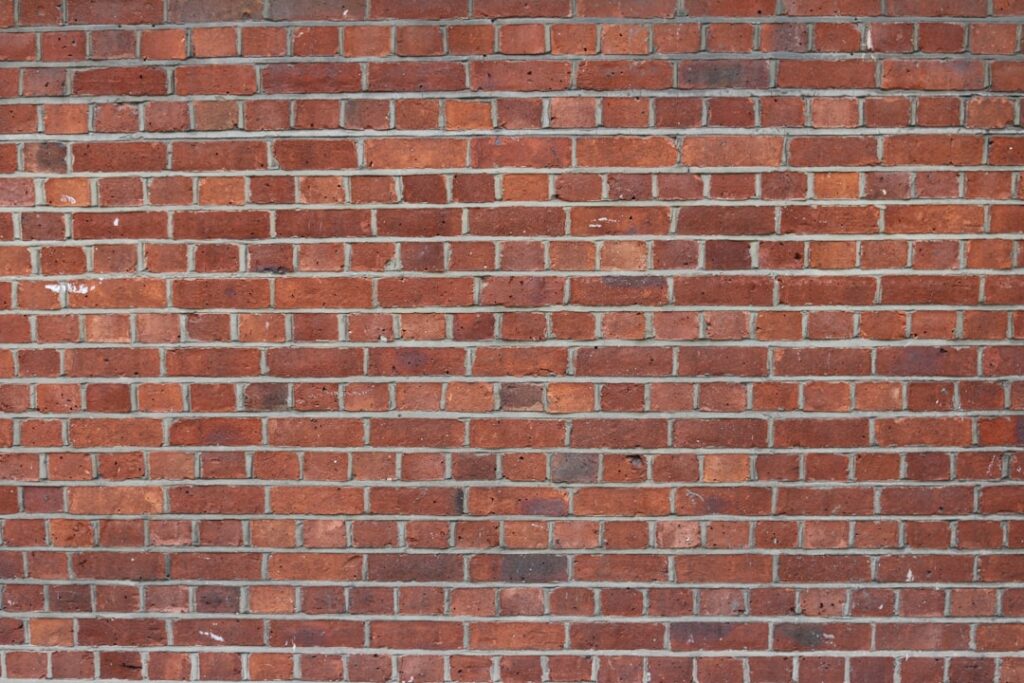
Want the rugged charm of an exposed brick wall without tearing into your home’s structure? Brick tile gives you that look at a fraction of the weight, cost, and hassle. These thin slices of real or manufactured brick install much like ceramic tile, yet they read as authentic masonry on floors, accent walls, fireplace surrounds, and kitchen backsplashes. Used right, brick tile adds texture and history to a room that smooth tile simply cannot match.
Part of our Tile & Grout guide — explore the full guide →
What Brick Tile Actually Is
Brick tile, sometimes called thin brick or brick veneer, is a flat tile roughly 1/2 inch to 3/4 inch thick that mimics the face of a full brick. A standard brick is around 3 5/8 inches deep, so a tile shaves off everything but the visible surface. That weight reduction is the whole point. A full brick wall needs footings and structural support, while brick tile bonds to a substrate with thinset and weighs little more than ceramic.
You will find two broad families. Genuine clay brick tile is fired in a kiln and carries the color variation, pitting, and density of true masonry. Manufactured or concrete brick tile is molded from cement and aggregate, then colored to imitate clay. Clay tends to age more gracefully and resists fading, while concrete versions often cost less and come in more uniform shapes.
Where Brick Tile Works Best
Accent walls are the most popular use, especially in kitchens, dining rooms, and lofts where an industrial vibe fits. A single brick-tiled wall behind a stove or a bed instantly anchors the space. Fireplace surrounds are another natural fit because brick handles heat well and looks at home around a hearth.
On floors, brick tile and brick-look porcelain bring a rustic warmth to mudrooms, sunrooms, and patios. For outdoor or wet areas, choose a sealed clay or porcelain product rated for those conditions. Backsplashes round out the list, where a herringbone or running-bond layout in brick tile turns a plain kitchen into a focal point.
Brick Tile Cost
Pricing varies with material and where you buy, but general ranges help with budgeting. Expect the following as rough guides:
- Concrete or manufactured brick tile: roughly $4 to $9 per square foot for the material
- Genuine thin clay brick: roughly $8 to $16 per square foot
- Brick-look porcelain tile: roughly $3 to $10 per square foot
- Professional installation labor: roughly $7 to $15 per square foot depending on layout and region
Specialty colors, glazed finishes, and intricate patterns push prices higher. Mortar, thinset, and sealer add a few hundred dollars on most jobs. A small backsplash can be a weekend DIY project for a couple hundred dollars in materials, while a full feature wall installed by a pro often runs into four figures.
Installing Brick Tile Step by Step
Brick tile installs much like any tile, but the deeper grout joints and rougher surface call for extra patience. Here is the general sequence:
- Prep a clean, flat, and structurally sound substrate. Cement board is ideal for walls and wet areas.
- Dry-lay a row to plan your pattern and confirm spacing before you commit any mortar.
- Spread thinset with a notched trowel and press each tile firmly, using spacers to keep joints consistent.
- Let the thinset cure fully, usually 24 hours, before grouting.
- Pack grout into the joints with a grout bag or float, then tool the lines for a clean mortar-joint look.
- Wipe excess off the brick faces with a damp sponge, working before the grout hardens.
- Seal the finished surface once everything cures, especially on floors and backsplashes.
The mortar-bag technique gives the most authentic masonry appearance, but it takes practice. If you are new to tiling, start with a small, low-stakes area like a fireplace face before tackling an entire wall.
Pros and Cons to Weigh
The upsides are real. Brick tile delivers authentic character, stands up to heat and traffic, and lasts for decades with minimal upkeep. It is lighter and far cheaper than structural brick, and it works on surfaces that could never hold full masonry.
The trade-offs matter too. The textured surface collects dust and is harder to wipe clean than smooth tile, which makes it a questionable choice directly behind a greasy cooktop unless you seal it well. Installation is slower than flat tile, and unsealed brick can absorb moisture and stains. Cutting brick tile also produces fine dust, so a wet saw and a respirator are worth the investment.
Caring for Brick Tile
Routine care is simple. Vacuum or dry-brush the surface to lift dust from the porous face, then wipe with a damp cloth or mild cleaner as needed. Skip harsh acids, which can etch both the brick and any mortar. Reseal interior brick tile every few years and exterior or floor applications more often, since the sealer is what keeps stains and moisture out.
For a kitchen backsplash, a quality penetrating sealer plus an occasional topical coat makes grease wipe away far more easily. Address spills promptly on floors so liquids do not soak into the joints.
Common Layout Patterns
The bond pattern you choose changes the personality of the whole installation. Running bond, where each tile offsets the row below by half its length, is the classic brick-wall look and the most forgiving for hiding small size variations. Stack bond lines the tiles up in a tidy grid for a cleaner, more contemporary feel, though it demands precise spacing because any drift shows immediately.
Herringbone, with tiles set at 45 degrees in an interlocking zigzag, is the showstopper for backsplashes and feature walls, but it wastes more material on edge cuts, so order an extra 15 to 20 percent. Basketweave and stacked-vertical layouts offer middle-ground options. Whatever you pick, mock up a small section first and stand back to judge the scale against your room before you mix any thinset.
Sealing and Grout Color Choices
Grout color does as much heavy lifting as the brick itself. A light, sandy mortar joint gives that authentic exterior-wall look, while a dark charcoal grout makes individual tiles pop for a moodier, modern effect. Matching the grout closely to the brick tone, by contrast, softens the pattern into a more uniform field. Sample a few options on spare tiles before committing, since dried grout often looks several shades different from the wet mix.
On sealing, a penetrating sealer is the right call for most interior brick tile because it protects without changing the natural matte surface. If you want a slight sheen or extra grease resistance behind a range, a topical or enhancing sealer adds richness to the color at the cost of a less natural finish. Always test the sealer on a hidden tile first to confirm you like the result.
Is Brick Tile Right for You?
If you love texture, warmth, and a touch of industrial history, brick tile is one of the most characterful surfaces you can install. It rewards careful prep and sealing with a finish that only improves with age. For high-splatter zones or anyone who wants a wipe-clean surface, a smoother brick-look porcelain may serve better while keeping the aesthetic. Match the material to the room, plan your pattern, and seal it properly, and brick tile will hold its good looks for the long haul.
Prefer to explore on your own?
See how new flooring looks in your actual room in seconds — free, no signup.
Try the free Floor Studio →