You love the warmth and character of exposed brick, but real brick is heavy, porous, hard to clean, and a nightmare in wet areas. Enter brick looking tile, porcelain and ceramic tile printed and textured to mimic the look of brick while delivering all the practical advantages of tile. You get the rustic, timeworn charm of a brick wall or floor without the crumbling mortar, the moisture problems, or the structural weight. From farmhouse kitchens to industrial lofts, this versatile material has exploded in popularity. Here is everything you need to know to choose and install it.
What Is Brick Looking Tile?
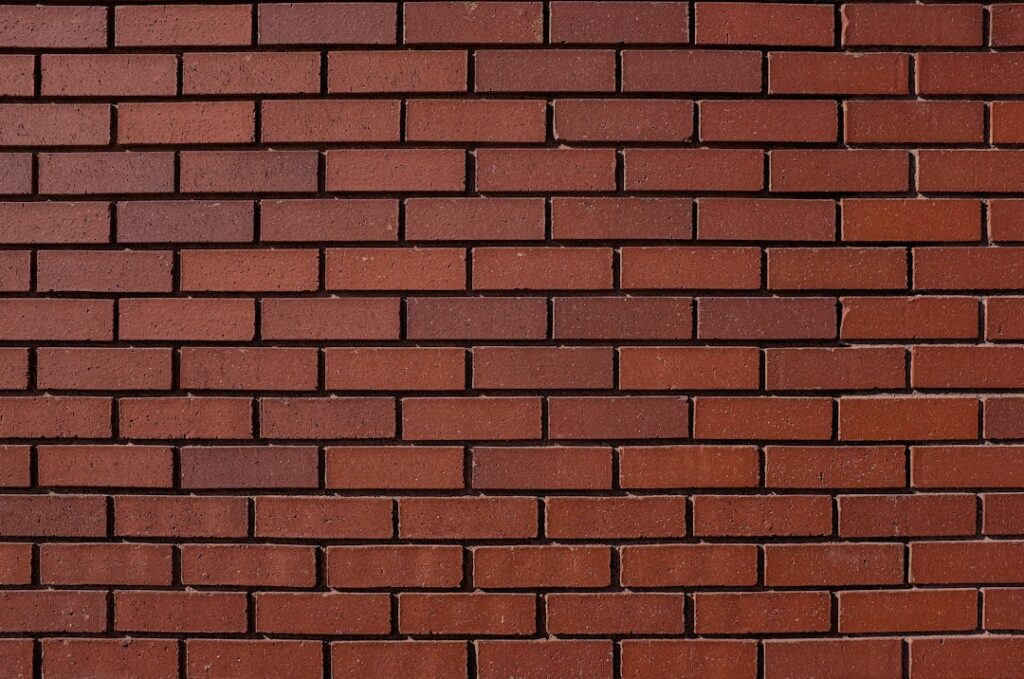
Brick looking tile is ceramic or porcelain tile manufactured to replicate the appearance of brick. Modern printing technology reproduces the color variation, surface texture, and even the chipped, weathered edges of aged brick with remarkable realism. The tiles usually come in elongated, brick-shaped formats, often around 2 to 4 inches tall and 8 to 12 inches long, and you set them with grout in a running bond or other brick pattern. From a few feet away, most people cannot tell it apart from the real thing.
Because it is tile underneath, it carries all the benefits of porcelain and ceramic: it is dense, water-resistant, easy to clean, and far lighter and thinner than actual brick. It also helps to know how brick-look tile differs from a couple of similar products. Thin brick veneer is real fired clay sliced thin, so it gives genuine brick texture but is more porous, heavier, and pricier to install than tile. Faux brick panels made of polyurethane or MDF are the lightest and cheapest option but read as fake up close and lack the durability and water resistance of a fired surface. Brick-look porcelain tile threads the needle: it captures convincing brick character through high-resolution printing and molded texture while remaining hard, dense, waterproof, and easy to maintain, which is why it suits floors, showers, and backsplashes that the other two imitations cannot handle as well.
Why Choose Tile Over Real Brick?
Real brick has undeniable charm, but it comes with headaches that brick-look tile sidesteps entirely.
- Moisture resistance: Porcelain barely absorbs water, so it works in kitchens, bathrooms, and even showers where real brick would soak and stain.
- Easy cleaning: A smooth or lightly textured glazed surface wipes clean, unlike porous brick that traps grease and grime.
- Lightweight and thin: No structural reinforcement needed. It installs like any tile on walls and floors.
- Consistent and affordable: You get the look you want without sourcing salvaged brick, and at a predictable price.
- Durable: Resists chipping, fading, and wear better than soft, aging brick.
Where to Use Brick Looking Tile
This material is genuinely versatile, working in places real brick simply cannot go. The most popular applications include:
- Kitchen backsplashes: A brick-look backsplash adds instant farmhouse or industrial character and wipes clean of cooking splatter.
- Accent walls: Create a faux exposed-brick feature wall in a living room, bedroom, or entryway.
- Floors: Porcelain brick-look floor tile brings rustic warmth to kitchens, mudrooms, and patios with full durability.
- Fireplace surrounds: The heat-resistant, non-combustible surface suits hearths beautifully.
- Bathrooms and showers: Water-resistant porcelain gives you the brick aesthetic in wet zones.
Types and Finishes
Brick looking tile comes in a range of styles to match your design goals. Classic red brick tones deliver traditional warmth, while whitewashed and white brick read bright, airy, and modern farmhouse. Charcoal and gray bricks lean industrial and contemporary, and reclaimed or distressed looks bring vintage character with varied, weathered coloring. Finishes range from matte and textured for authenticity to slightly glazed for easier cleaning. For floors, choose a porcelain rated for the wear and, if used outdoors or in a shower, one with enough slip resistance.
How to Install Brick Looking Tile
Installation follows standard tile methods, with a brick-pattern layout being the main twist. A confident DIYer can handle a backsplash or accent wall, while large floors are easier with experience.
- Prep the surface. Make sure the substrate is clean, flat, and suitable. Use cement board in wet areas.
- Plan your layout. Dry-lay a section to nail down your running bond offset, usually a one-third or one-half overlap, and mark reference lines.
- Apply thinset. Spread the right trowel notch of mortar and comb it evenly.
- Set the tiles. Press each tile in with a slight twist, using spacers to keep consistent grout joints. Brick-look often uses a slightly wider mortar joint for authenticity.
- Grout. After the thinset cures, grout the joints. A gray or mortar-toned grout reads most like real brick.
- Seal if needed. Seal the grout lines, and seal the tile too if it is unglazed or textured.
Cost of Brick Looking Tile
One of the best things about brick-look tile is the value. Material typically runs $3 to $10 per sq ft, with premium and specialty looks reaching $15 or more. Professional installation adds roughly $5 to $12 per sq ft depending on the surface and complexity of the pattern. Even installed, it usually costs less than sourcing and laying genuine reclaimed brick, and you avoid the structural and moisture complications. For a kitchen backsplash, the total project is often a very affordable upgrade with outsized visual impact.
Styling Tips
The grout color does most of the heavy lifting for authenticity. A mortar-gray grout on red or white brick tile looks convincingly real, while a contrasting grout reads more decorative and modern. For a true exposed-brick effect, choose tiles with natural color variation rather than a uniform print, and lay them in a classic offset running bond. Whitewashed brick tile pairs beautifully with light cabinets and brass hardware, while charcoal brick anchors an industrial scheme with black fixtures and warm wood. Mix in matte finishes for the most realistic, non-shiny brick look.
Choosing the Right Grout Joint and Spacing
With brick-look tile, the grout joint is not an afterthought; it is what sells the illusion. Real brick is laid with substantial mortar joints, so a hairline grout line looks wrong and gives the tile away as tile. To read authentically, plan for a wider joint, often around three-eighths of an inch, which mimics traditional brickwork and lets the grout play the role of mortar. Color is just as important as width. A natural mortar-gray or sandy tan grout on red, white, or charcoal brick tile looks genuinely like masonry, while a bright white or strongly contrasting grout pushes the look toward decorative and modern rather than realistic. For floors and wet areas, lean toward a stain-resistant grout or seal a cement grout well, since those wide joints expose more grout to dirt and moisture. Dry-lay a few rows with spacers before committing so you can see exactly how the joint width and color read in your light before the thinset goes down.
Maintenance and Long-Term Care
One of the quiet advantages of brick-look tile is how little it asks of you compared to the real thing. A glazed porcelain or ceramic surface wipes clean with a damp mop or cloth and a mild cleaner, shrugging off the grease and grime that would soak into porous brick. For everyday upkeep, sweep or vacuum floors to keep grit from dulling the surface, and wipe backsplashes after cooking so splatter does not bake on. The grout lines are the main thing to watch: keep cement grout sealed and reseal every year or two in kitchens, bathrooms, and other busy spots, using the simple water-drop test to check whether the sealer still beads. If your tile has a textured or matte unglazed face for realism, give it a periodic penetrating sealer as well so the rougher surface does not trap stains. Address spills on lighter-colored brick tile promptly, and the floor or wall will hold its convincing brick character for decades with almost none of the crumbling, efflorescence, or staining that ages genuine masonry.
The Bottom Line
Brick looking tile gives you the cozy, characterful appeal of brick with none of the downsides. It is waterproof, easy to clean, lightweight, affordable, and works on floors, walls, backsplashes, and even showers where real brick fails. Choose a finish and color that matches your style, pay attention to grout color and layout for authenticity, and you will get that coveted exposed-brick look in places you never thought possible.
Prefer to explore on your own?
See how new flooring looks in your actual room in seconds — free, no signup.
Try the free Floor Studio →