The rustic warmth of exposed brick has broad appeal, but real masonry is heavy, porous, and impractical for many spaces, which is exactly why brick style tile has become such a popular choice. These porcelain, ceramic, and clay tiles capture the color variation, texture, and elongated shape of genuine brick while offering the easy installation, waterproofing, and low maintenance of modern tile. You get the character of a brick wall or floor without the structural demands. This guide covers the types available, layout patterns, color choices, where to use them, and what they cost.
Part of our Tile & Grout guide — explore the full guide →
What Brick Style Tile Is
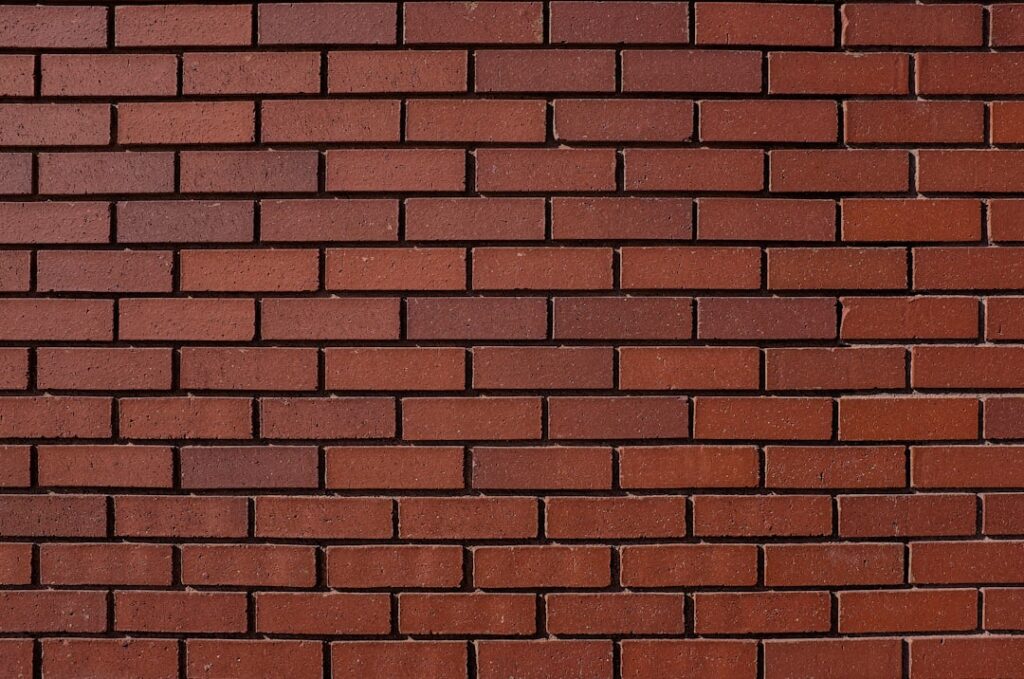
Brick style tile is any tile designed to mimic the look of traditional brick, typically in an elongated rectangular format roughly 2 to 3 inches tall and 8 to 12 inches long, echoing standard brick proportions. The best versions reproduce the subtle color mottling, chipped edges, and matte texture of aged brick using high-definition printing and molded surfaces, so from a short distance they are nearly indistinguishable from the real thing.
Unlike actual brick or even thin brick veneer, these tiles are thin, lightweight, and installed with standard thinset and grout. That means they can go on floors, walls, backsplashes, and even in wet areas like showers where genuine brick would absorb water and crumble. You get the aesthetic without the weight, porosity, or specialized masonry work.
Types of Brick Style Tile
There are several distinct categories, each with a different look and feel:
- Porcelain brick-look tile: The most durable and versatile, waterproof and rated for floors, walls, and wet areas. Ideal for high-traffic and moisture-prone spaces.
- Ceramic brick-look tile: More affordable, great for walls and backsplashes, slightly less durable than porcelain.
- Thin clay brick tile: Actual fired-clay tiles sliced thin from real brick, offering authentic texture for accent walls.
- Glazed brick tile: A smooth, often glossy version in bold or soft colors for a more polished, modern take.
For floors and showers, porcelain is the clear choice thanks to its density and waterproofing. For a fireplace surround or accent wall where you want maximum authenticity, thin clay brick tile delivers real texture, while glazed versions suit contemporary kitchens and bathrooms.
Layout Patterns That Suit Brick Tile
The elongated shape of brick tile lends itself to several classic layouts, and the pattern strongly affects the final look:
- Running bond (offset): The traditional brick pattern where each row shifts by half a tile. The most authentic and forgiving of slight tile size variation.
- Herringbone: Tiles set at 45 or 90 degrees in a woven zigzag for a more dynamic, upscale look.
- Stack bond: Tiles aligned in a straight grid for a clean, modern interpretation.
- Vertical stack: Running the bricks vertically to draw the eye upward and add height.
The running bond offset is the default because it reads as genuine brickwork and hides minor imperfections. Herringbone has surged in popularity for backsplashes and feature walls where a more designed, tailored effect is wanted.
Colors and Finishes
Brick style tile comes in a broad palette well beyond classic red. Warm terracotta and traditional red-browns give the cozy, aged farmhouse look. White and cream brick tile creates a bright, airy, cottage or Scandinavian feel and is especially popular for kitchen backsplashes. Gray and charcoal versions read industrial and modern, while multi-tone blends mimic reclaimed brick with rich color variation.
Finish matters too. Matte and textured surfaces look the most authentic and provide slip resistance on floors, while glazed and glossy finishes give a cleaner, more contemporary appearance and wipe down easily on backsplashes. Whitewashed and reclaimed-look tiles bring instant character to a wall without the mess of actually painting real brick.
Where to Use It
Brick style tile is remarkably flexible. Popular applications include:
- Kitchen backsplashes: White or terracotta brick tile behind the range is a farmhouse and cottage favorite.
- Accent and feature walls: An exposed-brick look in a living room, entry, or bedroom without the weight.
- Fireplace surrounds: Heat-tolerant and authentic-looking around a hearth.
- Floors: Porcelain brick tile in entryways, mudrooms, patios, and sunrooms for durable rustic charm.
- Bathroom walls and showers: Waterproof porcelain versions bring texture to wet areas.
Because porcelain brick tile is fully waterproof and durable, it goes places real brick cannot, including shower walls and exterior-grade patios, which greatly expands where you can enjoy the look.
What It Costs
Pricing varies by material and quality, but general ranges are:
- Ceramic brick-look tile: $3 to $8 per square foot for materials.
- Porcelain brick-look tile: $5 to $12 per square foot for materials.
- Thin clay brick tile: $8 to $15 per square foot for materials.
- Professional installation: $8 to $18 per square foot, higher for herringbone and other intricate patterns.
Brick style tile is generally far cheaper and easier to install than real brick veneer, which requires structural consideration and specialized masonry labor. The small tile size does mean more grout lines and slightly more installation time than large-format tile, so intricate patterns like herringbone add to the labor cost.
Grout and Installation Details That Matter
Grout choice has a big effect on how authentic brick style tile looks. For a genuine masonry appearance, choose a grout color that mimics mortar, typically a soft gray, greige, or sandy tan, and use a grout joint wide enough to read like real brickwork, often around 3/8 inch rather than the tight lines used on modern tile. A contrasting mortar-colored grout emphasizes the individual brick shapes and reinforces the illusion, while a color-matched grout blends the tiles into a more continuous field for a subtler effect.
Surface prep and layout planning are just as important as the tile itself. On walls, a flat, sound substrate keeps the elongated tiles from telegraphing bumps, and dry-laying a few rows first lets you check the offset and color distribution before committing. Many brick-look tiles come with intentional color variation from piece to piece, so pulling tiles from several boxes as you go blends the tones naturally and avoids ending up with a distracting patch of one shade in a single spot.
Care and Long-Term Durability
One of the biggest advantages of brick style tile over real brick is how little maintenance it demands. Porcelain and glazed versions are essentially stain-proof and wipe clean with a damp cloth or standard tile cleaner, unlike genuine brick, which is porous and traps dust and grease. On floors, sealed grout lines keep moisture out and make cleanup easy. Because the tile is fired clay or porcelain, it will not fade, crumble, or need the periodic sealing that real masonry requires, so the rustic look you install stays looking that way for decades. Overall, it remains an accessible way to get authentic brick character in almost any room of the house.
Prefer to explore on your own?
See how new flooring looks in your actual room in seconds — free, no signup.
Try the free Floor Studio →