Warm neutral floors are having a moment, and the material quietly winning most of those projects is not hardwood at all. Brown porcelain tile flooring delivers the cozy tones of wood or stone with a surface that is nearly waterproof and tough enough for a busy household. If you want the look of oak planks or travertine without the maintenance, brown porcelain tile flooring deserves a serious look. This guide covers the styles, the real pros and cons, cost ranges, and what to expect during installation.
Part of our Tile & Grout guide — explore the full guide →
Why Porcelain, and Why Brown
Porcelain is a denser, harder cousin of ceramic tile, fired at higher temperatures from refined clay. That density gives it a water absorption rate below 0.5 percent, which is why it handles kitchens, bathrooms, mudrooms, and basements without swelling or staining the way many materials would. Brown is the color that makes it livable, echoing the warmth of wood and natural stone so the durability does not come across as cold or industrial.
Brown tones also hide dirt, pet hair, and everyday scuffs better than pale floors, which is a practical bonus in high-traffic homes. From espresso and walnut to sandy taupe and warm greige, the range lets you match almost any cabinet color or wall palette.
Popular Styles and Looks
Modern printing technology means porcelain can convincingly imitate other materials. The most popular brown looks fall into a few families.
- Wood-look planks that mimic oak, walnut, or hickory grain in 6-by-24 or 8-by-48-inch sizes
- Stone-look tiles resembling travertine, slate, or tumbled marble
- Concrete and cement looks in warm taupe for a modern, understated floor
- Large-format tiles, 24 by 24 inches and larger, for fewer grout lines and a seamless field
- Textured or matte finishes that add slip resistance and a natural hand
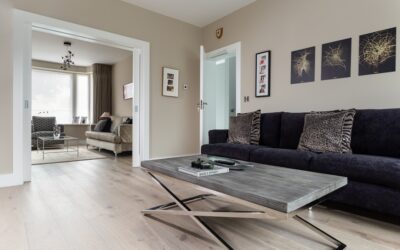
Wood-look plank porcelain is especially popular because it brings the warmth of a hardwood floor to wet rooms where real wood should never go. Laid in a staggered or herringbone pattern, it reads as convincing plank flooring from a standing height.
The Pros of Brown Porcelain Tile
The advantages are what push so many homeowners toward porcelain over softer flooring. It is one of the most durable surfaces you can put underfoot.
- Highly water-resistant, suitable for bathrooms, kitchens, and basements
- Extremely hard and scratch-resistant, standing up to pets, furniture, and heavy traffic
- Low maintenance with no refinishing, waxing, or sealing of the tile body
- Color and pattern are baked in, so wear does not expose a different layer
- Fade-resistant, so brown tones hold up under sunlit windows
- Compatible with radiant floor heating for warmth underfoot
Because the tile itself does not absorb water, it also resists stains from spilled wine, coffee, and pet accidents, which is a real advantage over wood and many resilient floors.
The Cons to Weigh
No floor is perfect, and porcelain has trade-offs worth knowing before you commit. It is hard and cold, which some people love and others do not. Dropped glassware shatters, and standing on tile for hours is less forgiving than on wood or cork. In cold climates the surface feels chilly in winter unless you add radiant heat or rugs.
Installation is more demanding than click-together flooring. Porcelain is dense and requires a diamond blade to cut, the subfloor must be flat and rigid, and grout lines need periodic attention. It is also heavier than most flooring, which can matter on upper floors. Finally, while the tile is tough, the grout between tiles is the weak point for staining, so grout color and sealing deserve thought.
Cost of Brown Porcelain Tile Flooring
Porcelain sits in the middle of the flooring price spectrum. Treat these as planning ranges that vary by region and product line. Material typically runs $3 to $10 per square foot for standard lines, with premium wood-look and large-format tiles reaching $12 to $20. Professional installation usually adds $5 to $14 per square foot depending on the pattern, tile size, and subfloor prep.
Herringbone and diagonal layouts, large-format tiles that demand a dead-flat floor, and demolition of an existing floor all raise labor costs. Budget for thinset, grout, edge trim, and a sealer for the grout. For a 200-square-foot kitchen, a realistic installed total might land somewhere between $1,600 and $4,800 depending on your choices.
Installation Basics
A lasting tile floor is only as good as the surface beneath it. The subfloor must be flat, typically within 1/8 inch over 10 feet for large-format tile, and rigid enough that it does not flex, since flex cracks tile and grout. Many installers add an uncoupling membrane or cement backer board over wood subfloors to manage movement and moisture.
From there, tiles are set in thinset mortar with a notched trowel sized to the tile, leveled with spacers or a leveling system to avoid lippage, then grouted after the mortar cures. Large-format and wood-look planks benefit from a leveling clip system because even small height differences show on long edges. Grout lines are typically kept tight, around 1/8 to 3/16 inch, for wood-look planks. If your floor spans rooms or sits over a questionable subfloor, have a tile pro evaluate the substrate before setting a single tile.
Cleaning and Maintenance
Day-to-day care is easy, which is a big part of the appeal. Sweep or vacuum to keep grit from dulling the finish, then damp-mop with warm water and a neutral pH cleaner. Skip oil-based soaps and waxes, which leave a film, and avoid harsh acids on any polished or stone-look surfaces. Brown tones are forgiving, so streaks and light dust are far less obvious than on dark or glossy black tile.
The grout needs the most attention. Seal cement-based grout after installation and re-seal it every year or two in wet rooms to keep it from absorbing stains. If grout does discolor over time, a grout pen or professional recoloring can refresh the whole floor without touching the tile. For spot messes, wipe up spills promptly so they cannot sit in the grout lines, and use a soft microfiber mop that will not scratch a polished finish. An entry mat at the door catches the grit that does the most damage to any hard floor over the years, and felt pads under furniture legs prevent scuffs when you slide a chair.
Choosing the Right Shade and Finish
Brown is not a single color, and the shade you pick sets the whole mood of the room. Warm espresso and walnut tones feel cozy and traditional, and they pair naturally with cream cabinets and warm wall colors. Lighter taupe and greige lean modern and airy, making a small room feel larger and bouncing more light around. Reddish and golden browns read rustic, while cooler gray-browns fit contemporary and transitional spaces.
Undertone is the detail people overlook. A brown with a red undertone can clash with cool gray cabinetry, while a gray-brown can look muddy against warm oak trim. Bring home full-size sample tiles and set them on the floor in the actual room, then look at them in both daylight and evening light before committing. A tile that looks perfect under store fluorescents can shift noticeably at home.
Finish affects both looks and safety. A polished finish shows off color depth but can be slick when wet, so it is better suited to low-traffic, dry areas. A matte or textured finish hides footprints and water spots and offers more grip underfoot, which matters in kitchens, bathrooms, and entries. For wet zones, look at the slip-resistance rating, sometimes listed as a DCOF value, and favor a textured surface. Larger tiles with a matte finish also camouflage everyday dust better than a dark, glossy tile that shows every speck.
Think about grout as a design element too. A grout that closely matches the tile makes the floor read as one continuous surface, while a slightly darker grout defines each plank or tile and emphasizes a wood-look pattern. Darker grout also stays looking clean longer than a pale grout in a busy household, which is a practical reason it pairs so well with brown floors.
Is It the Right Floor for You?
If you want a warm, natural-looking floor that shrugs off water, scratches, pets, and sunlight, brown porcelain tile is one of the best values available. It brings the character of wood or stone to rooms where those materials fail, and it asks for very little in return once installed. The main trade-offs are a hard, cool surface and a more involved installation than floating floors. Choose a finish with enough texture for slip resistance, plan your subfloor and grout carefully, verify current sizes and finishes with the manufacturer, and lean on a tile pro for the setting work. Do that and your floor will still look great long after trendier options have worn out.
Prefer to explore on your own?
See how new flooring looks in your actual room in seconds — free, no signup.
Try the free Floor Studio →